Myles Lewis-Skelly: Arsenal's Homegrown Future or Transfer Asset?
Myles Lewis-Skelly hasn’t kicked a competitive ball this season and he is already one of the stories of the summer.
The 19-year-old sits at the heart of a debate that cuts right through Arsenal’s plans: is he the next homegrown pillar of Mikel Arteta’s side, or the academy jewel they cash in on to fuel another round of heavy spending?
From breakout star to big question
Two seasons ago, Lewis-Skelly’s rise felt irresistible. Thrown in at left-back, he turned his 2024-25 breakthrough campaign into a statement year, rapidly emerging as one of the Premier League’s standout young full-backs. That form carried him into the England squad and onto the scoresheet, as he became the youngest player ever to score on his Three Lions debut.
Arsenal moved quickly. The academy graduate signed a new five-year contract the following summer, the sort of deal that usually signals a long-term role at the club.
Then came the stall.
Last season, Lewis-Skelly slipped down the pecking order at left-back, overtaken by Riccardo Calafiori and Piero Hincapie. What had looked like a clear pathway suddenly narrowed. Arsenal, who had already invested heavily in the squad, started to listen more carefully to the market.
By April, club sources were indicating they would consider offers, with an internal valuation suggesting they wanted to recoup a minimum combined £100m for Lewis-Skelly and fellow academy product Ethan Nwaneri.
Midfield revival changes the mood
The picture shifted again when Lewis-Skelly moved back into his natural role.
Used in central midfield towards the end of last season, he produced a late surge in form that forced a rethink. In that position, he looked less like a spare part and more like a live option for Arteta’s evolving engine room.
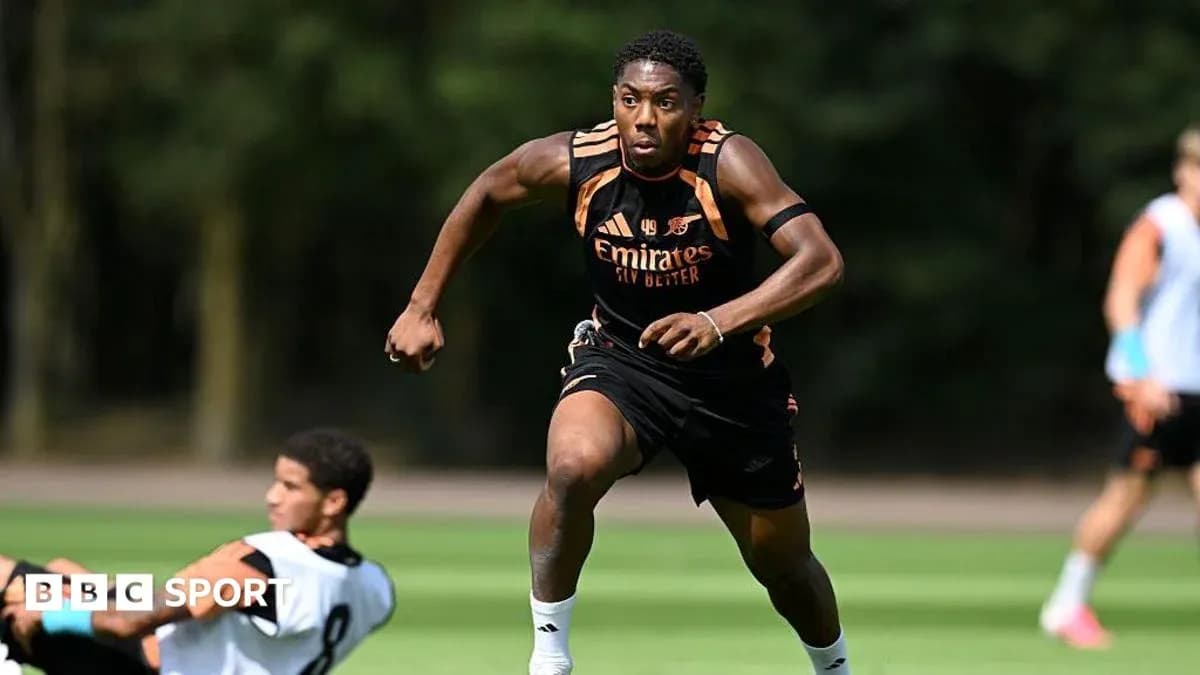
That momentum has carried into pre-season. Lewis-Skelly has been one of Arsenal’s standout performers this summer and has started the last two friendlies as the Gunners gear up for Sunday’s Community Shield against Manchester City.
Circumstances help him. Several midfielders have returned late from the World Cup, and new £75m signing Bruno Guimaraes is still settling into his new surroundings. The door is not wide open, but it is ajar. Lewis-Skelly has a window to make another push to become a genuine first-team regular.
He wants that chance. Those close to the situation are clear: Lewis-Skelly has made it known he wants to stay at Arsenal and is focused on fighting for his place.
United’s need, Arsenal’s stance
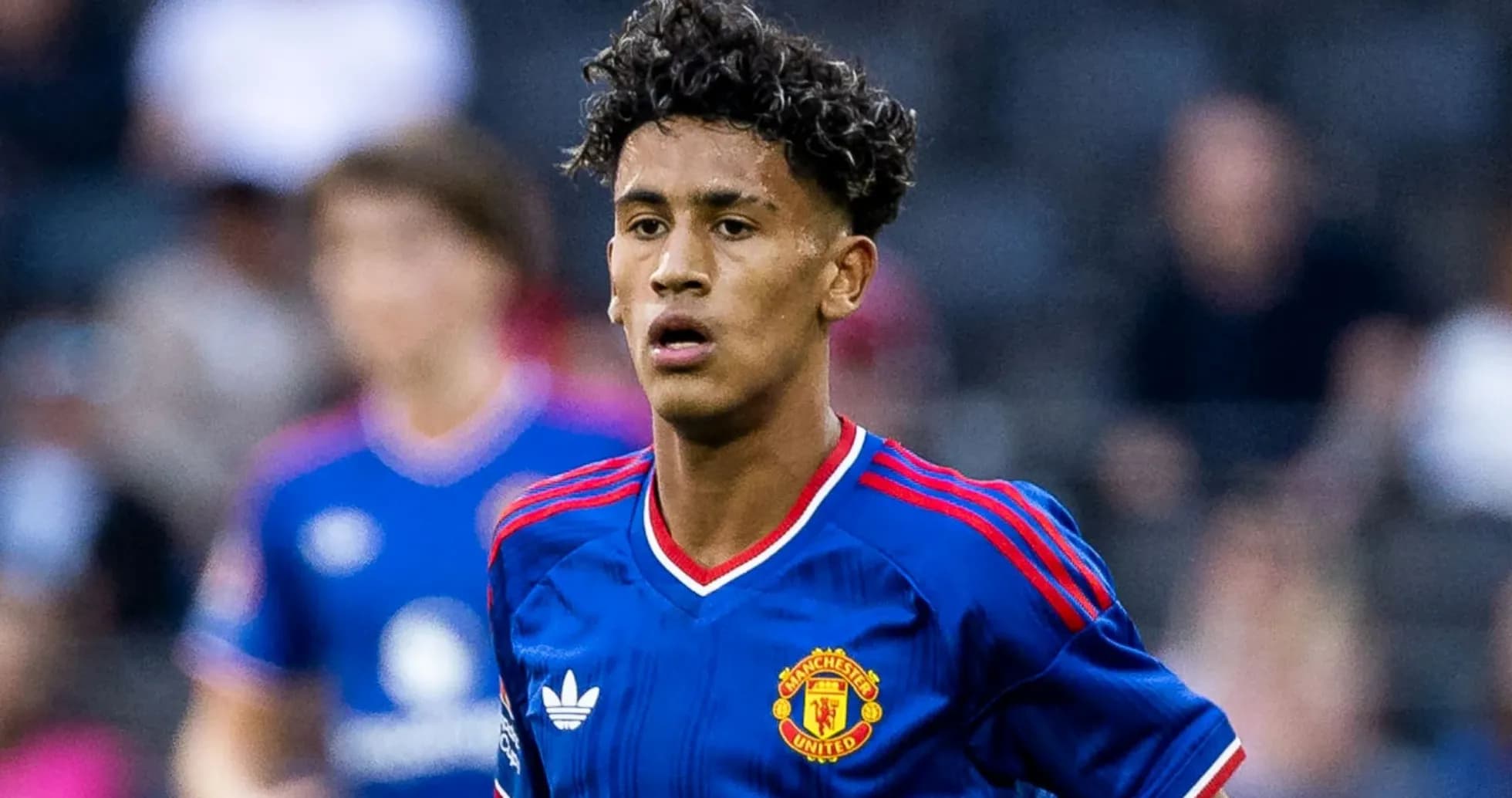
On Tuesday, headlines suggested that fight might take place somewhere else. Reports linked Lewis-Skelly with a move, with two Premier League clubs said to be interested.
One source told BBC Sport that Lewis-Skelly was offered to Manchester United in January. Arsenal reject that interpretation, insisting they have not actively offered him to any club.
United’s need is obvious. Patrick Dorgu, their latest signing in the left-back department, has spent pre-season operating in a more advanced role. After Michael Carrick took charge, injuries disrupted Dorgu’s involvement, and all of his Premier League minutes under the United manager came on the wing or in a wide attacking position.
Luke Shaw remains first choice and started every Premier League game last season, but his fitness record across his career is patchy. United have explored alternatives, including an interest in Newcastle’s Lewis Hall, but accept that signing him would be extremely difficult, especially after the departures of Sandro Tonali and Guimaraes from St James’ Park.
Lewis-Skelly would give United options. He could cover left-back and, in theory, slot into the third midfield role that still sparks debate inside the club. Yet the prevailing feeling at Old Trafford is that they want another natural full-back to push directly for a starting berth, not a hybrid project.
Chelsea watch on, but barriers remain
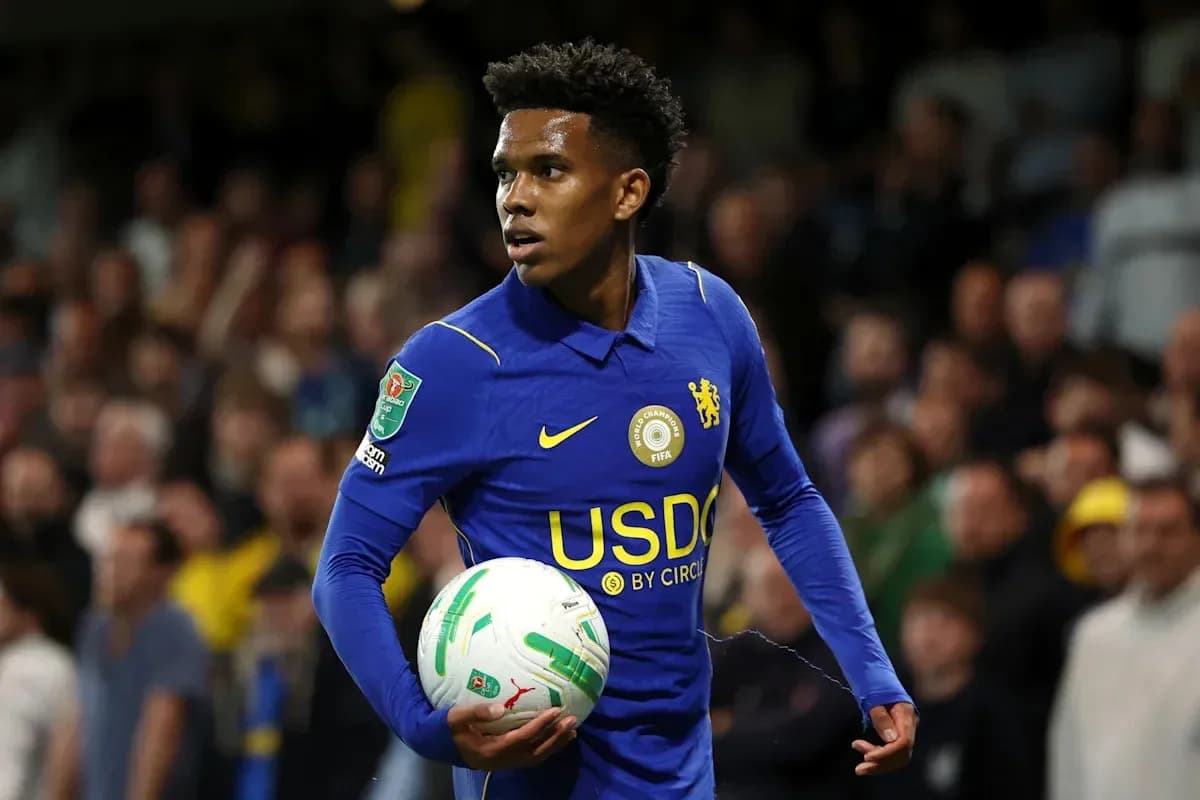
Chelsea’s name has also entered the conversation. Like United, they say they have been offered the chance to sign Lewis-Skelly. Arsenal again maintain they have not offered the player to anyone.
The Londoners do not exactly lack cover in his positions. Jorrel Hato and new signing Pep Chavarria are already in place at left-back, and with Chelsea out of Europe this season, the fixture list will be lighter than usual. That reality reduces the need to add a third left-back.
Central midfield is also congested. Chelsea have six options there, though Enzo Fernandez could be sold and Dario Essugo is a candidate to leave on loan. Even so, any move for Lewis-Skelly would almost certainly depend on substantial sales first. Without that, a deal looks unlikely.
Profit, pressure and the new rules
Behind the footballing argument sits a financial one.
Arsenal have spent aggressively. Eight signings arrived last summer for around £250m. They have already gone past £100m in this window and are still looking to strengthen before the deadline.
Some money has come in. Christian Norgaard has joined Everton for £7m, while Leandro Trossard has moved to Besiktas for about £15m. Yet the club know they must remain flexible as the window ticks towards its close, and they are prepared to listen on several established names.
Gabriel Jesus and Gabriel Martinelli would be available at the right price. Fabio Vieira and Reiss Nelson are no longer part of Arteta’s plans.
In that context, Lewis-Skelly’s status as an academy graduate matters. Any fee for him would count as “pure profit” in Arsenal’s accounts. The player himself is clearly aware of that reality. When Arsenal celebrated their title win at Selhurst Park on the final day of last season, he posted a picture with the Premier League trophy and captioned it “pure profit”.
That calculation is changing under the new Squad Cost Ratio (SCR) rules. Clubs will no longer be able to book the entire transfer fee for a sale in a single hit. Instead, any sale is spread evenly over the length of the player’s contract, even for academy products. The days of a one-off, instant accounting boost from selling a homegrown star are over.
It makes the decision more complex. The temptation to cash in remains, but the immediate financial shockwave is softer than it once was.
A place to claim, a future to decide
For now, nothing is imminent. There is no agreement in place, no move on the verge of completion. That does not mean Lewis-Skelly’s future is secure.
Guimaraes has arrived to command a starting role in midfield. Competition is fierce, and Arsenal’s ambitions demand it. Yet the fixture list will be relentless again, and Arteta’s side will need depth. Somewhere in that rotation, there is room for a 19-year-old who has already shown he can handle the Premier League and the international stage.
The question is whether that room exists at Arsenal, or whether the club decide his greatest value lies in the balance sheet rather than the starting XI.