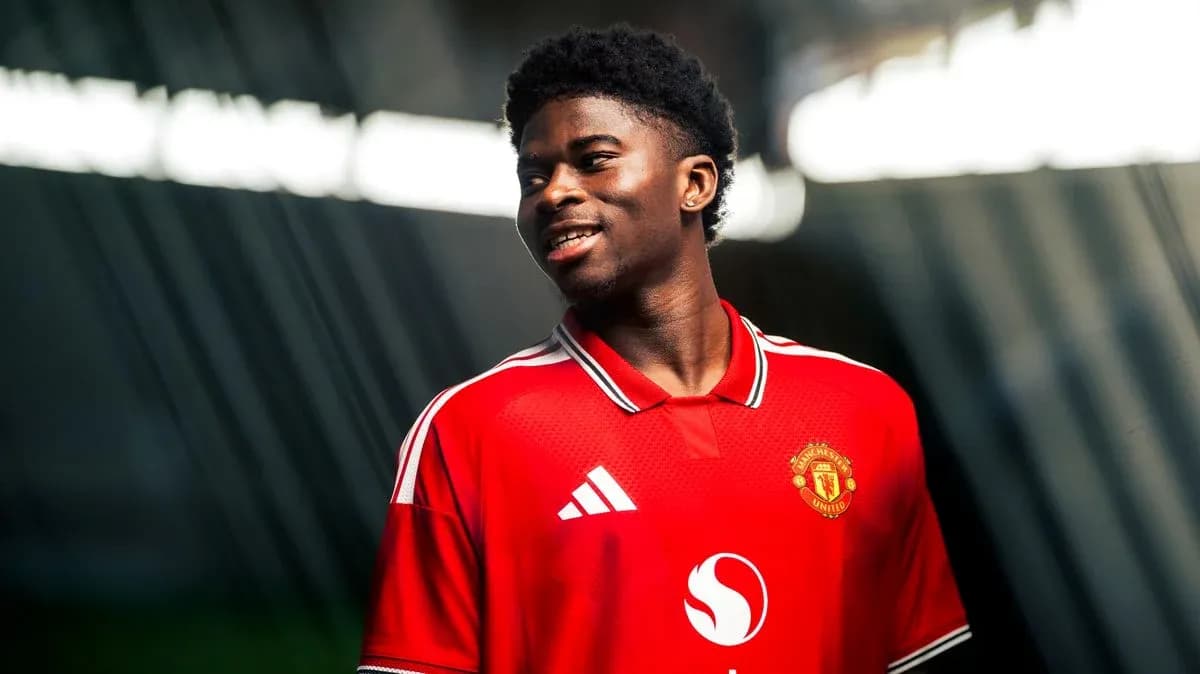
Manchester United's Midfield Transformation: The Baleba Signing
Manchester United have ripped up their midfield. Now comes the real test.
After last summer’s rebuild in attack, Old Trafford has turned its gaze inwards, to the heart of the team. Three new midfielders have arrived in one window. More than £150million spent. And still one big question hangs in the air: has this finally fixed United’s soft centre?
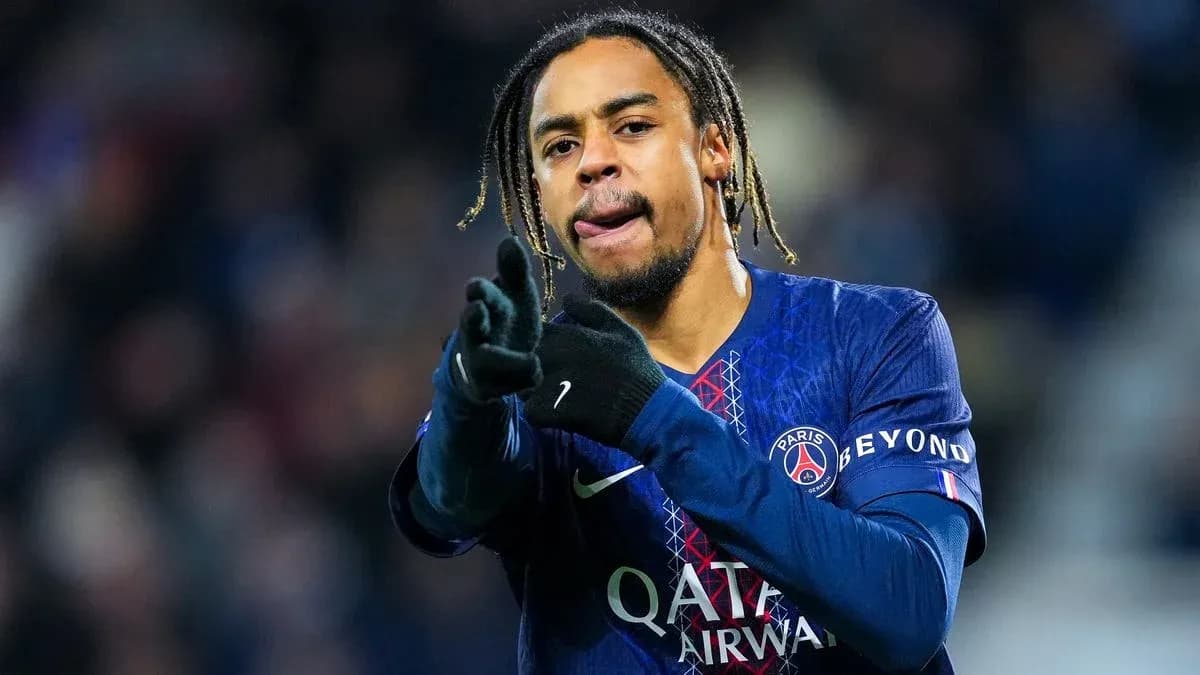
Carlos Baleba is the headline act.
On Tuesday, the Cameroon international became the third new face through the door, following Andrey Santos and Youri Tielemans. United have committed to a deal worth up to £70million, a sizeable outlay but still a long way short of the nine-figure sum Brighton were demanding when they first dug in during the summer of 2025.
Back then, Brighton held all the cards. Baleba was flying at the Amex. The club had just banked a huge fee from Moises Caicedo’s move to Chelsea and were in no mood to sell cheap. That stance softened after an underwhelming 2025/26 campaign. The talent is still there, the ceiling is still high, but the risk is now baked into the price.
United are betting that the dip was a blip, not a warning.
A midfield built on scars
They have good reason to roll the dice. United’s recent history in midfield is a catalogue of compromises and half-fixes. For years they have chased a true anchor at the base, a player who could both destroy and build. Casemiro arrived with a glittering CV but ended up playing higher and higher up the pitch in his final season. Manuel Ugarte brought bite but also brought problems.
The result? A team that too often looked open, easy to run through, forever scrambling backwards.
Baleba, at his best, offers something different: balance. He can sit, he can shuttle, he can drive. He gives Michael Carrick options, the freedom to flip between systems without tearing up the core of the side every time.
The numbers from his standout 2024/25 season tell part of the story. He completed 79 tackles in the Premier League, joint 25th in the division and only just behind Casemiro and Bruno Fernandes. Solid, but not spectacular. The real intrigue comes when you dig deeper.
Per Fotmob, Baleba ranked 14th in the league for interceptions per 90 minutes, with an average of 1.6. Among United’s players, only Harry Maguire bettered that figure. He repeated the 1.6 per 90 last season as well, even though his total interceptions fell from 46 to 29. The instincts are there: reading danger, stepping in, breaking attacks at source.
Rio Ferdinand has seen enough to be convinced.
“He brings that ability to get around the pitch, that physical prowess,” the former Champions League winner said on YouTube. “I think his duels power is great, his press resistance, and I think more so than most of the others.
“He can beat the press with the ball but his vertical ball progression with the ball especially... is an asset to this team now and he can do it with real pace. I think he complements every other one of those midfielders he's coming into the team with. Whoever he plays with, he complements them.”
That is exactly what United have lacked: a midfielder who doesn’t just survive in a structure, but knits it together.
The blip that won’t go away
The caveat is obvious. That 2025/26 season.
Critics will point to it every time Baleba misplaces a pass or loses a duel. The questions won’t vanish overnight. Yet there were clear factors at play that United believe will fade into the background this time.
Brighton manager Fabian Hurzeler admitted the saga around United’s interest may have got inside his player’s head as the campaign began. When a young midfielder reads about huge offers and the pull of Old Trafford, focus can slip.
“For sure, when a young boy reads there is interest from Manchester United with a big, big offer, it might affect him deep, deep (down),” Hurzeler said early in the season. He spoke about the challenge of staying humble, of pushing on with Brighton while the noise of a “big club” grew louder around him. Baleba, he stressed, is not a machine. He has emotions, a backstory, a context that needs managing.
On top of that came the Africa Cup of Nations. A mid-season interruption, travel, tournament intensity, then a return to a Premier League side trying to rediscover its rhythm. It all added up.
None of that erases the dip. But it does give it shape.
Fresh legs, heavy responsibility
United are not just buying a profile. They are buying minutes.
Baleba logged 2,673 league minutes in 2024/25. Last season, even with AFCON in December, he still reached 1,662. He played, he kept playing, and he rarely broke down. For a United midfield that has felt fragile and stop-start, that matters.
Look at the others.
- Tielemans managed 1,863 minutes for Aston Villa last term, his season clipped by two separate injury lay-offs.
- Kobbie Mainoo totalled 1,654 league minutes after being eased in and then used more under Carrick.
- Santos played 1,255 minutes for Chelsea, though he did edge ahead of Mainoo when you count all competitions.
You can spin that in two directions. On one hand, United now have a group of midfielders who should be relatively fresh, not ground down by 3,500-minute seasons. On the other, there is a fair question about whether this trio can absorb the strain of playing every three days, under the spotlight, while they learn one another’s movements on the fly.
That is where Baleba’s durability becomes more than just a footnote. If he can shoulder the heaviest workload at the base, Carrick can rotate around him, keep Tielemans sharp, nurture Mainoo, and integrate Santos without burning anyone out.
Carrick’s project, Baleba’s leap
Baleba knows exactly what this move represents.
“I cannot wait to work with Michael Carrick; his experience and knowledge of the game make him the perfect coach to help me to reach the highest level,” he said after signing. For a young midfielder who wants to refine his positioning, his timing, his passing angles, there are few better mentors than a former United metronome.
There is, however, one more complication. Baleba arrives injured. United fans may need to hold their nerve in the early weeks, resist the urge to judge too quickly, accept that the new midfield won’t click on day one.
But once he is fit, there will be nowhere to hide. A £70million signing, a rebuilt engine room, a manager whose game model demands control and courage on the ball – the stage is set.
United have finally spent big to solve the problem that has haunted them for years. Now they need Baleba to prove that last season was the outlier, not the template for what comes next.