Manchester United's Pressure: Champions League and Manchester Derby Ahead
“It puts a bit of pressure on United. They've got City next week and European games starting in midweek.”
Gary Neville tossed that line out after Manchester United’s 2-2 draw with Everton. It sounded like a warning. It now feels like a diagnosis.
It is only September, but the mood around Old Trafford has already tightened. The focus is not just on results. It is on Michael Carrick, his squad, and whether this season is about progress or survival of an idea.
Easiest start, hardest questions
When the 2026/27 Premier League fixtures dropped, the numbers smiled on United. Statistically, they were handed the softest opening six games in the division. This was supposed to be the runway, not the turbulence.
Three games in, they have spilled more points than they have banked.
Now comes the turn in the road. United launch their Champions League campaign on Thursday against Azerbaijan champions Sabah. Three days later, the first Manchester derby of the season. Two games, two competitions, one manager forced to show more than just his preferred XI.
Given the opposition, Carrick will surely be tempted to rotate on Thursday. That is when the conversation shifts from “his team” to “his squad”. And that is where the doubts begin.
A big squad that feels small
On paper, the numbers look generous. Transfermarkt lists United as having the second biggest squad in the Premier League. Yet size is not the issue. Shape is.
They are stacked in forward areas, leading the league for depth in attack. Behind that, the picture blurs. Eighth for midfield depth. Tenth in defence. Drill down further and the cracks widen: ninth at right-back and a worrying 18th at left-back, a position already under the microscope because of Luke Shaw’s injury history.
They did this to themselves. Since 2022, only Everton and Liverpool have invested less in their backline. For a club that has spent as heavily as United, that neglect is startling.
The imbalance is one problem. The drop-off is another. The gap in quality between the starting XI and the players who replace them is too wide for a team trying to compete on multiple fronts.
£1bn spent, questions still unanswered
United have operated under what are described as financial restrictions, but the numbers tell their own story. Since 2022, no Premier League club has a higher net spend. Even with that outlay, Carrick does not have a squad bristling with genuine competition for places.
The Everton draw laid that bare.
Carrick waited until the 70th minute to make his first substitutions. From that point, United’s entire territorial profile changed. They spent more time in the opposition half, but with less purpose. Fewer passes found their way into the final third. Chances dried up.
At the same time, United became less involved in duels. They retreated in the moments that mattered, invited Everton on, and conceded far more opportunities.
Yes, context matters. Everton were chasing the game, gambling, throwing more forward. The final 20 minutes will never mirror the first 70. But the pattern still stings: when Carrick turns to his fringe players, the collective level drops.
Benjamin Sesko is the exception, an impact substitute who has repeatedly offered something different. One player cannot carry an entire bench.
The same theme flickered in the game against Hull. On the surface, the data suggested United improved after the changes. Look closer, and you find a different story: four of the starting XI that day were dropped for the next two matches. Carrick had been forced to rotate in the opener while players built up fitness, and his substitutions against Hull simply moved the team closer to the group he truly trusts – the one that started against Ipswich and Everton.
That is the heart of the issue. Even when fewer than half the team changes, the performance level dips. The squad players are not just failing to push the starters. They are dragging the standard down.
Auditions under the floodlights
That is why Thursday night suddenly feels so sharp-edged.
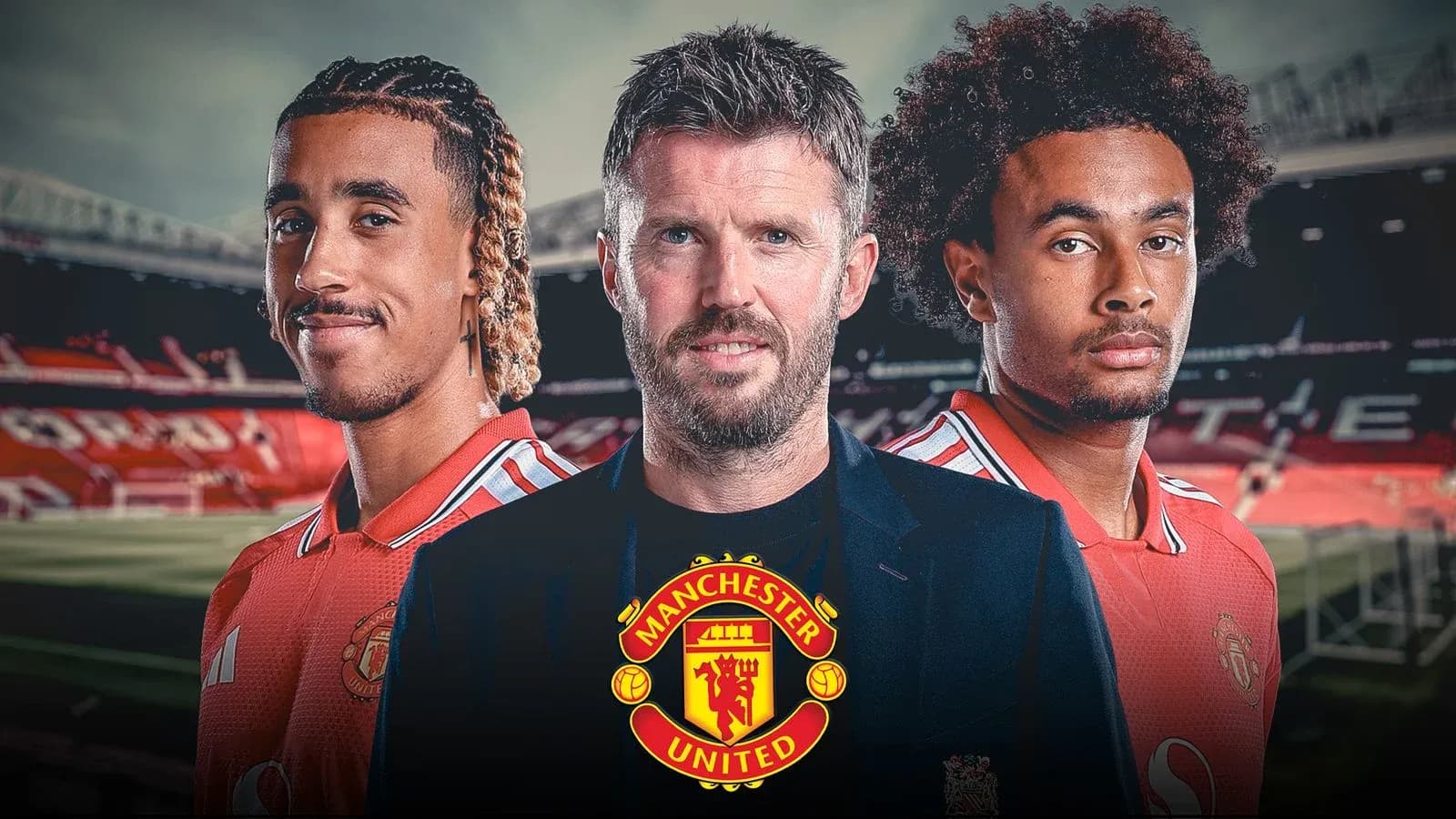
For Leny Yoro, Patrick Dorgu, Andrey Santos and Joshua Zirkzee, the Champions League opener is more than a European tie against Sabah. It is an audition. A chance to prove they belong in a season that will demand three games a week and relentless intensity.
Of course they all want the derby. Everyone does. But United cannot stroll into the Manchester City game off the back of a stumble in Europe. The European campaign must start with authority, not anxiety.
If Carrick turns to those names, the pressure on them will be as fierce as the scrutiny on the core group likely to face City. This is not rotation for the sake of rest. It is rotation as a test of trust.
Neville spoke about Carrick needing to win over the fans. The same applies to the squad players who have, so far, lived in the shadows of the starters. Deliver on Thursday and some of the noise around Old Trafford quietens. Fail, and the questions about a £1bn rebuild and a squad that still feels thin will only get louder.
The week will not decide United’s season on its own. But it might tell us something more important: whether this team is built to handle the strain that is coming, or whether the pressure Neville warned about is only just beginning to bite.