Manchester United's Academy Strategy: Profiting from Arsenal's New Signings
Manchester United are set to lose two more prospects from their academy – but the club have made sure the exits could pay off handsomely down the line.
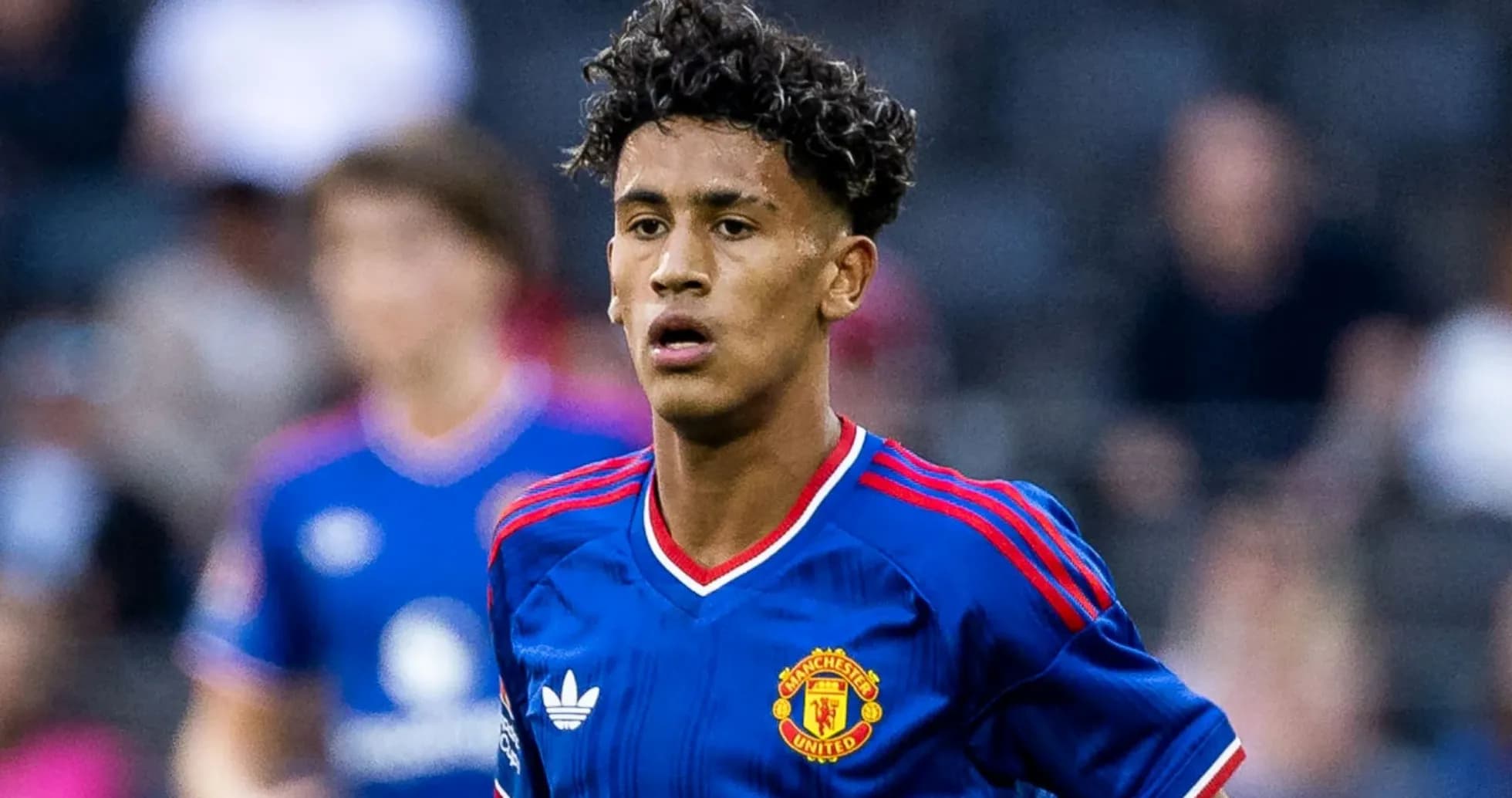
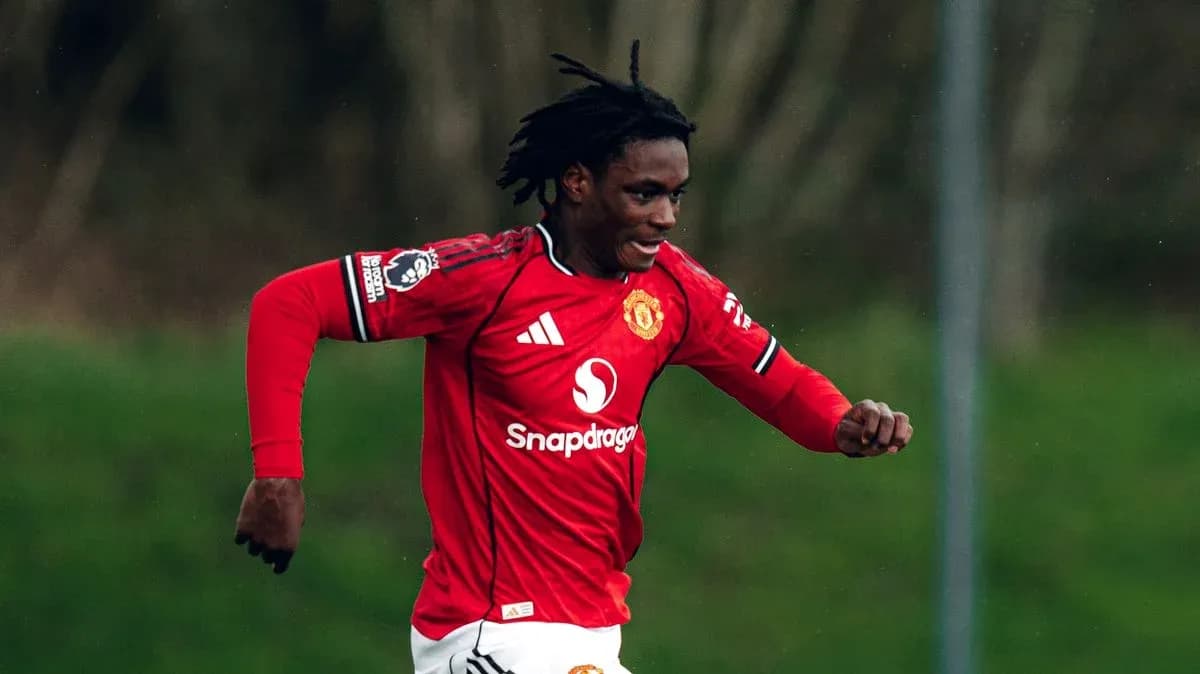
According to The Athletic, 20-year-old right-back Habeeb Ogunneye has already completed a medical with Arsenal ahead of a move from Old Trafford. The Gunners are also closing in on 19-year-old winger James Scanlon, with both players expected to join on free transfers.
Free now, potentially very expensive later.
United have reportedly inserted significant sell-on clauses into both deals, mirroring a transfer model that is rapidly becoming a key pillar of the club’s academy strategy under Sir Jim Ratcliffe’s regime.
Arsenal links and a familiar face
Ogunneye and Scanlon will walk into an Arsenal setup led at under-21 level by David Horseman, a coach who knows exactly what United are letting go. Horseman spent four months in the United academy and is understood to be well aware of the pair’s potential.
That familiarity has helped Arsenal pounce, but United’s stance is clear: if these players explode in north London or elsewhere, Old Trafford will feel the benefit on the balance sheet.
United follow the Chelsea blueprint
The direction of travel is obvious. For years, Chelsea have set the standard in monetising academy talent, generating over £400million in fees from players produced at Cobham. Under the Premier League’s Elite Player Performance Plan, academies are no longer just about feeding the first team; they are also designed to create saleable assets.
For clubs wrestling with PSR (profit and sustainability rules), those homegrown sales are gold. They count as pure profit in the books, a crucial lever in an era of tight financial controls.
United are now leaning hard into that model.
A summer of smart exits
Ogunneye and Scanlon are just the latest names on a growing list of academy departures this summer.
Last week, League One side Stockport County won the race to sign winger Ethan Ennis. Before him, Ethan Williams joined Peterborough United, goalkeeper Radek Vitek left for Middlesbrough, and defender Tyler Fredricson moved to Ineos-owned Lausanne Sport.
The pattern is unmistakable.
Williams’ move included a 50 per cent sell-on clause, a buyback option and matching rights, giving United the chance to return if his career takes off. Vitek’s transfer brought in a substantial fee that could climb to £14m, along with a 35 per cent sell-on, plus buyback and matching rights. Fredricson’s switch came with what has been described as a “high percentage” sell-on clause and a buyback option.
United are not simply cutting ties. They are planting financial flags in the futures of players they still believe can grow.
Ratcliffe’s vision for the academy
This is not accidental policy drift; it is strategy. Sir Jim Ratcliffe has been open about what he wants from the club’s youth system.
"You need the academy to be producing talent all the time. It helps you financially," he said on The Business Podcast last October.
The message is blunt. If a player does not quite make the leap to Erik ten Hag’s first team, he still has to carry value. Either as a squad option, or as a profitable sale with upside baked in.
So Ogunneye and Scanlon may soon be wearing Arsenal colours, chasing a path to Mikel Arteta’s senior side. United, watching from a distance, will be hoping that every step they climb in their careers also nudges the Old Trafford balance sheet in the right direction.
If this is the new normal for elite academies, the real question is no longer just who breaks through – but which club ends up cashing in when they do.