Manchester City’s Title Bid Ends in Draw Against Bournemouth
Manchester City’s reign is over. Not with a roar, but with a draw on a tense, sticky night at the Vitality Stadium that belonged as much to Bournemouth’s rise as to Arsenal’s coronation.
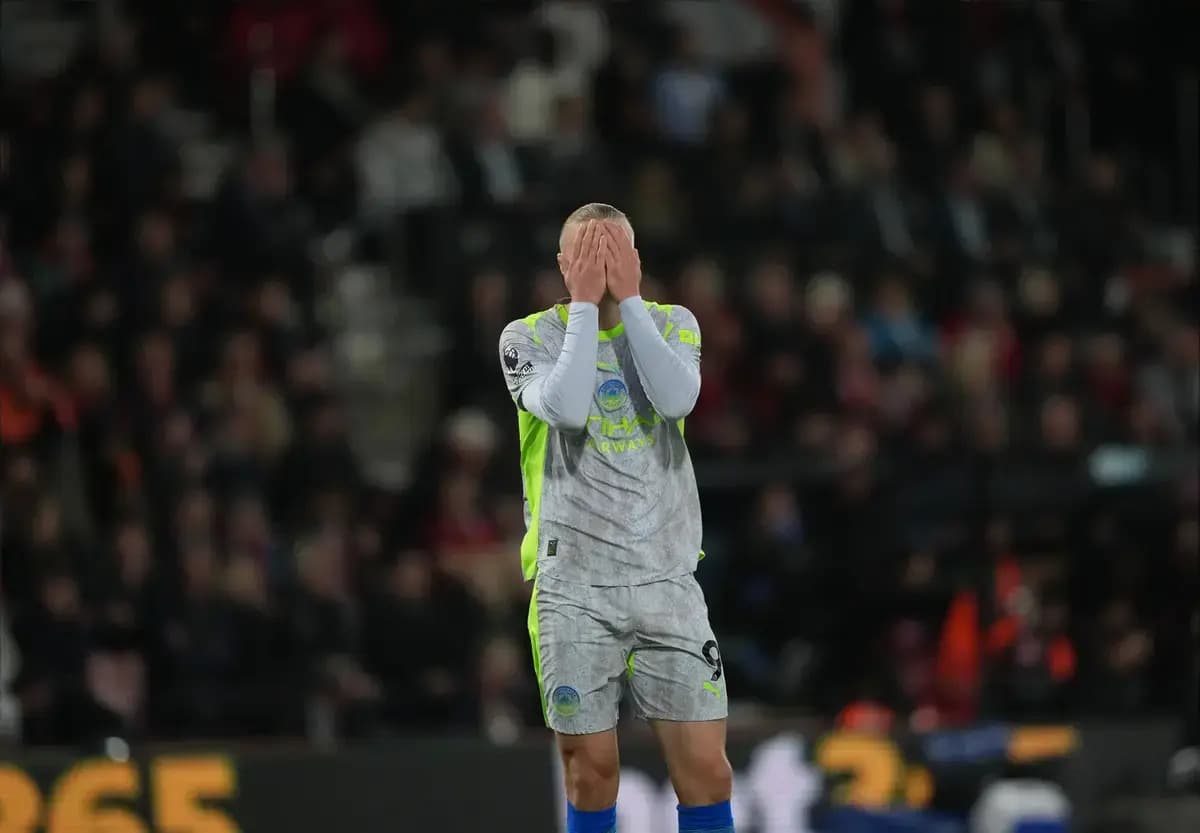
Needing a win to keep the title race alive, City arrived on the south coast knowing the margins were brutal: anything less and the crown would head to north London for the first time in 22 years. Ninety-five minutes later, Erling Haaland’s late equaliser felt less like a lifeline and more like a full stop.
Arsenal are champions. City, for once, are the chasers who ran out of road.
A night when the champions slipped
City started like a side who understood the stakes. They moved the ball crisply, pinned Bournemouth back, and thought they had the early breakthrough when Antoine Semenyo swept in against his former club. The away end roared; the flag went up. Offside. A warning, not a wound.
The wound came just before the interval.
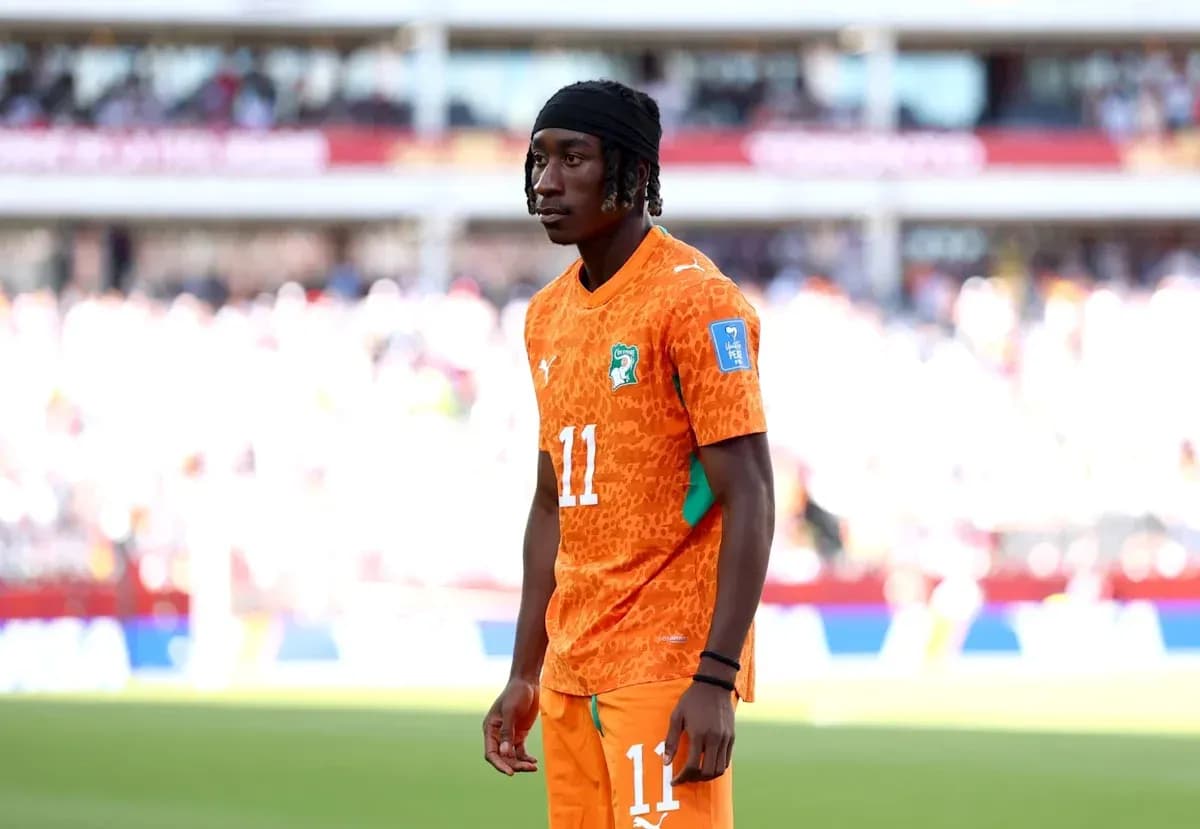
Eli Junior Kroupi picked up the ball with space to work and shaped a finish that would have beaten most goalkeepers on the planet. Gianluigi Donnarumma launched himself, but the shot curled away from his reach and into the top corner. A gorgeous goal, cruel timing. City trudged in a goal down, their season hanging by a thread.
Pep Guardiola’s players emerged with more bite. The tempo jumped, the passes snapped, and Nico O’Reilly should have dragged them level early in the second half, only to waste a huge chance. City’s pressure grew but so did Bournemouth’s belief.
David Brooks, once of City’s academy, almost twisted the knife twice late on. He drifted into pockets, took aim, and came within inches of burying his old club’s title hopes without the need for stoppage-time drama.
As the clock bled into added time, it felt like one of those nights when City’s relentlessness would finally tell. It did, but far too late for the title race.
In the 95th minute, Haaland finally broke free and lashed in the equaliser. A familiar scene: the Norwegian turning half-chances into certainty. The reaction, though, told the story. Relief, not ecstasy. A point that kept pride intact but handed the trophy to Arsenal.
There was no grandstand finish, no last assault. The whistle went. City’s era of Premier League dominance took a hit that even they could not spin away.
Draws, not defeats, cost the crown
Look at the table and the instinct is to ask where City lost it. Not here, not in one night on the south coast, but in the slow drip of dropped points across the season.
Just four defeats. On paper, that looks like a title-winning platform. The problem lay in the grey area between victory and collapse. Too many stalemates, too many games like Tottenham away, where City had the chances, the control, and somehow walked away with just a point.
This campaign has not been defined by a dramatic losing streak. It has been defined by the failure to turn dominance into wins often enough. For a side built on ruthless efficiency, that slippage is fatal.
Arsenal, by contrast, kept their nerve. They were more consistent through the first two-thirds of the season, banking results while City were still trying to find their best version. That, in the end, is why the trophy is heading to the Emirates.
And yet, there is a twist. Since their derby defeat to Manchester United in January, City have gone domestically unbeaten for months. The response to that setback was powerful, almost defiant. But the damage had already been done in those earlier, careless evenings.
The standard at the top of the Premier League is unforgiving. Draws are now the new defeats.
A champion in transition
Strip away the emotion and something else emerges: this was always going to be a season of transition.
Last year’s problems forced change. Big personalities out, new signings in, and a dressing room that needed to be reshaped on the fly. That kind of surgery never delivers instant perfection, no matter how slick the badge on the tracksuit.
The “new blood” needed time. Some of it has quietly taken root. Several players have grown into the shirt, found their voice in the squad, and started to click into Guardiola’s intricate system. The football has not always been vintage, but the evolution has been visible.
Two trophies have already arrived this year. That matters. It is two more than last season and a reminder that even in a campaign framed as underwhelming, City’s floor remains higher than most clubs’ ceiling.
This has felt like the second act of a two-year reset. The edges have been rough, the rhythm occasionally off, but the direction is clear. City will not disappear from the conversation. They will return next season with a squad and a structure better aligned to what comes next.
Life after Pep
What comes next is the question that hangs over everything.
The Premier League title is gone. The man who reshaped the club’s identity, who turned City into a machine that rewrote the record books, is preparing to walk away after a decade. Even for a club as meticulously planned as City, that is seismic.
For supporters, the mood this week is a mix of deflation and apprehension. The greatest era in their history is edging towards its final scenes. Yet the cast that remains is hardly short on potential.
This is a double-winning side built largely around young players who are still climbing towards their peak. They know what it takes to win. Now they know what it feels like to fall short. That combination fuels seasons, not just headlines.
Enzo Maresca is being lined up as the man to step into the sky blue technical area. He knows the club, understands its principles, and will want to stamp his own imprint on a squad that has been shaped in Guardiola’s image. That means arrivals, departures, and a summer of decisions that will define the next cycle.
There will be no gentle handover. The Premier League does not allow it. City’s reset under a new head coach will happen under the glare of a league that has just watched Arsenal crack the code.
The opportunity is obvious: a fresh voice, a refreshed group, and a clean shot at reclaiming the title. The risk is just as clear. How do you follow a decade that changed everything?
One last Etihad farewell
Before the rebuild, there is a goodbye.
Sunday’s final fixture against Aston Villa at the Etihad will not decide a title. It will not alter the narrative of the season. On paper, it is a dead rubber. In reality, it is anything but.
Bernardo Silva, John Stones and, seemingly, Guardiola himself are expected to take their final bows in front of the home crowd. Three pillars of the most successful period in the club’s history, all potentially stepping away on the same afternoon.
The pressure is off. The emotion will not be.
Supporters have earned the right to exhale, to park the frustration of this week and simply celebrate what they have witnessed over the past decade. The Etihad will not be a stage for regret; it will be a theatre of gratitude.
No trophy lift, no confetti. Just a chance to say thank you to those who turned City into a modern superpower.
Bournemouth’s rise demands respect
All of this, of course, risks drowning out what Bournemouth have become.
Not long ago, the Vitality Stadium was a comfortable away day for the elite. City would turn up, dominate, and head back north with three points and barely a scratch. That version of Bournemouth has gone.
Under Andoni Iraola, the Cherries have transformed from relegation candidates into a side with genuine European ambitions. They press, they bite, they play with courage. The league table and the performances both tell the same story: this is a serious team.
On Tuesday night, they did not cling on. They went toe-to-toe with champions, hunted for a second goal, and almost found it through Brooks. They matched City’s intensity and never shrank from the occasion.
Trips to the south coast are now circled on the calendar, not as a formality but as a test. That is to Iraola’s immense credit and to the players who have embraced his demands.
As City lick their wounds and Arsenal celebrate, Bournemouth can look ahead to next season with something just as valuable: a clear identity and a place among the league’s most awkward opponents.
European football would not flatter them. It would fit them.
The title has changed hands. The era is shifting. The real question now is simple: when the next race begins, who will be better prepared for the new landscape—Arsenal, the wounded champions in waiting at City, or the ambitious climbers like Bournemouth who no longer know their place?