Maccabi Tel Aviv vs Sheriff Tiraspol: UEFA Europa League Tactical Analysis
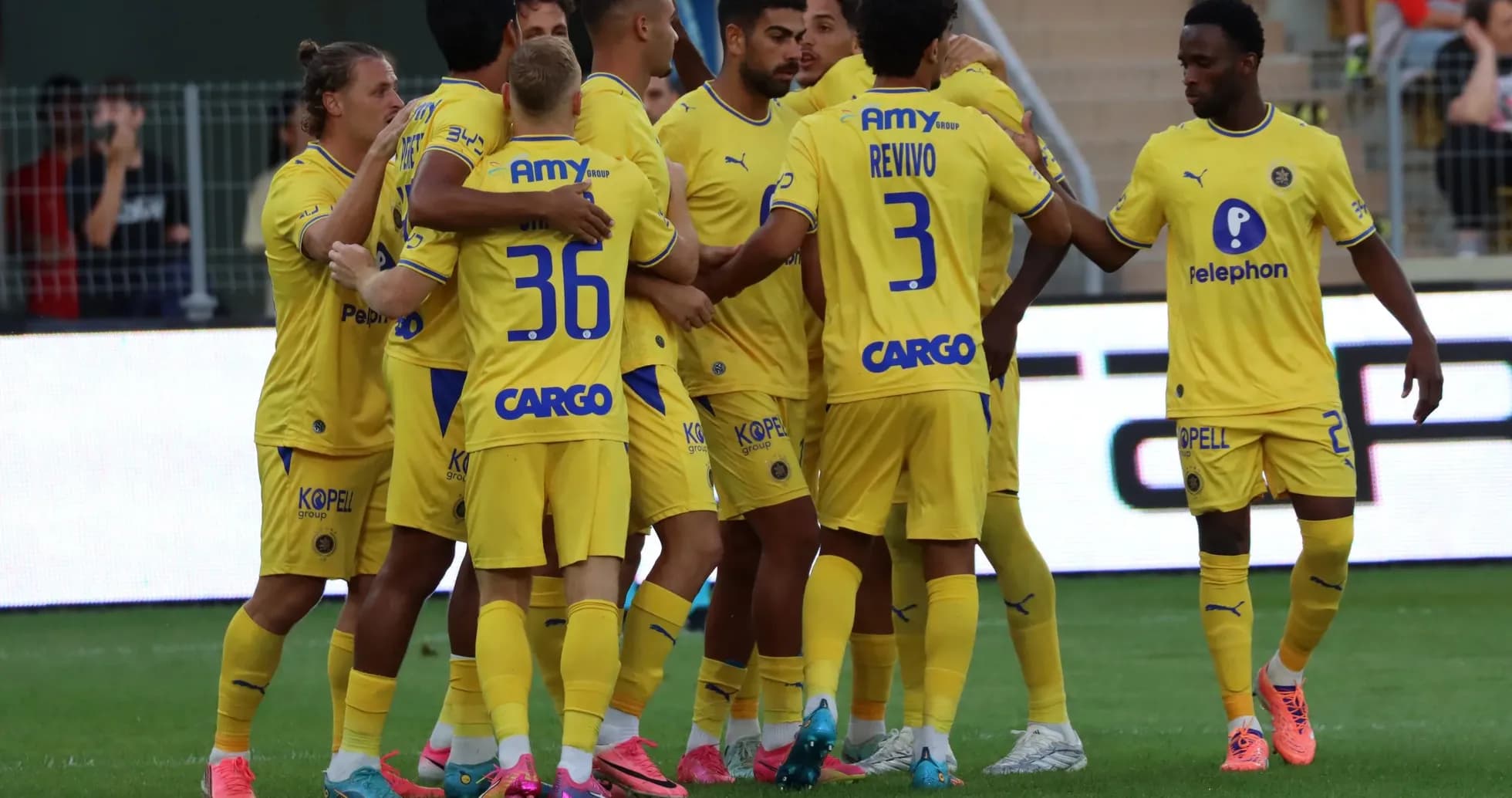
Maccabi Tel Aviv and Sheriff Tiraspol meet at the neutral Adjarabet Arena in Batumi in the UEFA Europa League 2nd Qualifying Round, with the tie effectively decided after Maccabi’s 5–0 away win in the first leg. This return game is less about qualification, which is virtually secured, and more about managing minutes, maintaining rhythm, and shaping both clubs’ early-season European trajectory and confidence.
Head-to-Head Tactical Summary
The only recent meeting between these sides came on 23 July 2026 at Sheriff Stadium in Tiraspol in the same 2nd Qualifying Round. Sheriff Tiraspol, playing at home, lost 0–5 to Maccabi Tel Aviv. The half-time score was 0–2, underlining how quickly Maccabi imposed control and then extended their dominance after the break. Tactically, Maccabi’s ability to score five away without conceding points to a clear structural superiority in transition and in exploiting space behind Sheriff’s back line.
Global Season Picture
- League Phase Performance: There is no group-stage standings data yet for the 2026 UEFA Europa League, so current performance is assessed only from qualifying-round statistics. Maccabi Tel Aviv have played one match in qualifying, scoring 5 goals and conceding 0. Sheriff Tiraspol have played three qualifying matches in total, scoring 1 goal and conceding 5.
- Season Metrics: In the league phase of this Europa League campaign, Maccabi Tel Aviv’s single outing shows extreme efficiency: 5 goals scored, none conceded, and a clean sheet, with a 3-5-2 setup used once and only one yellow card shown between minutes 46–60. Sheriff Tiraspol’s broader qualifying sample (three matches) indicates a more conservative but fragile profile: they have kept two clean sheets but also suffered a 0–5 home defeat, with goals for at just 1 and goals against at 5. Their discipline load is heavier, with yellow cards spread mainly between minutes 46–90, suggesting pressure-induced fouling as games progress.
- Form Trajectory: Maccabi Tel Aviv’s form string is a single “W”, reflecting one emphatic win from one match and an early upward curve. Sheriff Tiraspol’s “DWL” sequence shows a mixed start: an opening draw, a narrow win away (0–1), and then a heavy 0–5 home defeat. The trajectory for Sheriff is negative going into this second leg, with confidence and defensive stability clearly shaken by the most recent result.
Tactical Efficiency
Maccabi Tel Aviv’s early-season tactical efficiency is highlighted by their perfect goals balance: 5 scored and 0 conceded in one Europa League qualifier, combined with a clean sheet and no matches where they failed to score. Their 3-5-2 structure has so far maximized attacking numbers while preserving defensive cover. Sheriff Tiraspol, alternating between 3-4-3 and 3-5-2 across three games, have achieved two clean sheets but are averaging only 0.3 goals per match, and the 0–5 home loss exposes a vulnerability when their high or flexible back three is attacked at pace. The statistical contrast suggests Maccabi are currently far more efficient in converting territorial and structural advantages into goals, while Sheriff’s system is not yet delivering enough attacking threat to compensate for defensive risk.
The Verdict: Seasonal Impact
From a seasonal perspective, the tie is effectively over: Maccabi Tel Aviv’s 5–0 away win has already placed them on the brink of progression to the next Europa League qualifying round, where the focus will shift to squad rotation, injury avoidance, and gradually raising competitive level ahead of tougher opponents. A solid, controlled second-leg performance will reinforce their status as a dangerous qualifier with momentum and a clear tactical identity. For Sheriff Tiraspol, this match is about damage limitation and recalibration. The aggregate deficit makes a comeback highly improbable, but a disciplined display in Batumi can help restore defensive credibility and provide a platform for domestic competitions and future European campaigns. The result will not shape a title or top-four race directly, but it will strongly influence both clubs’ European seeding, confidence, and internal assessments of their current tactical models heading into the rest of 2026.