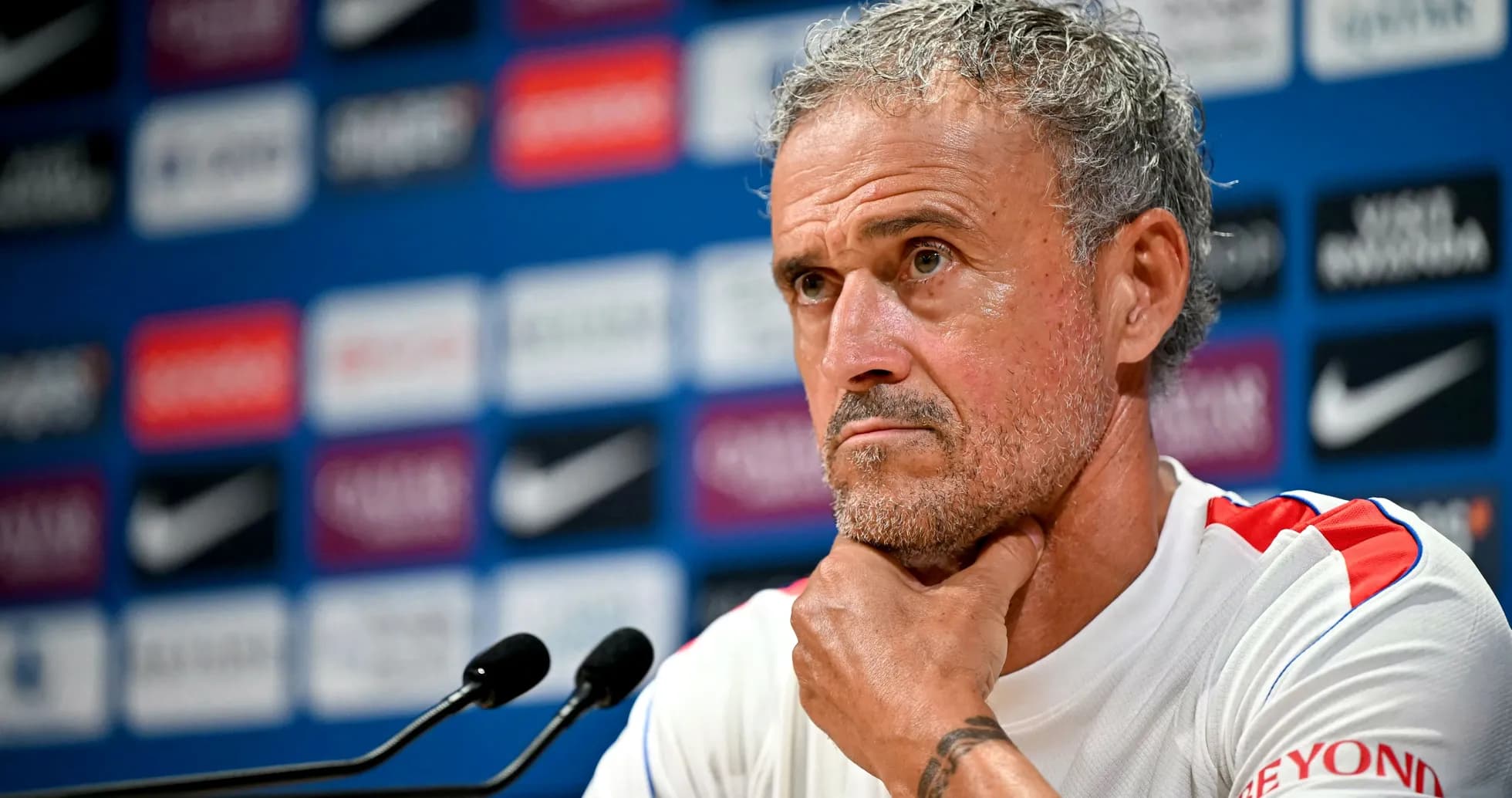
Luis Enrique Signs Contract Extension with PSG Until 2030
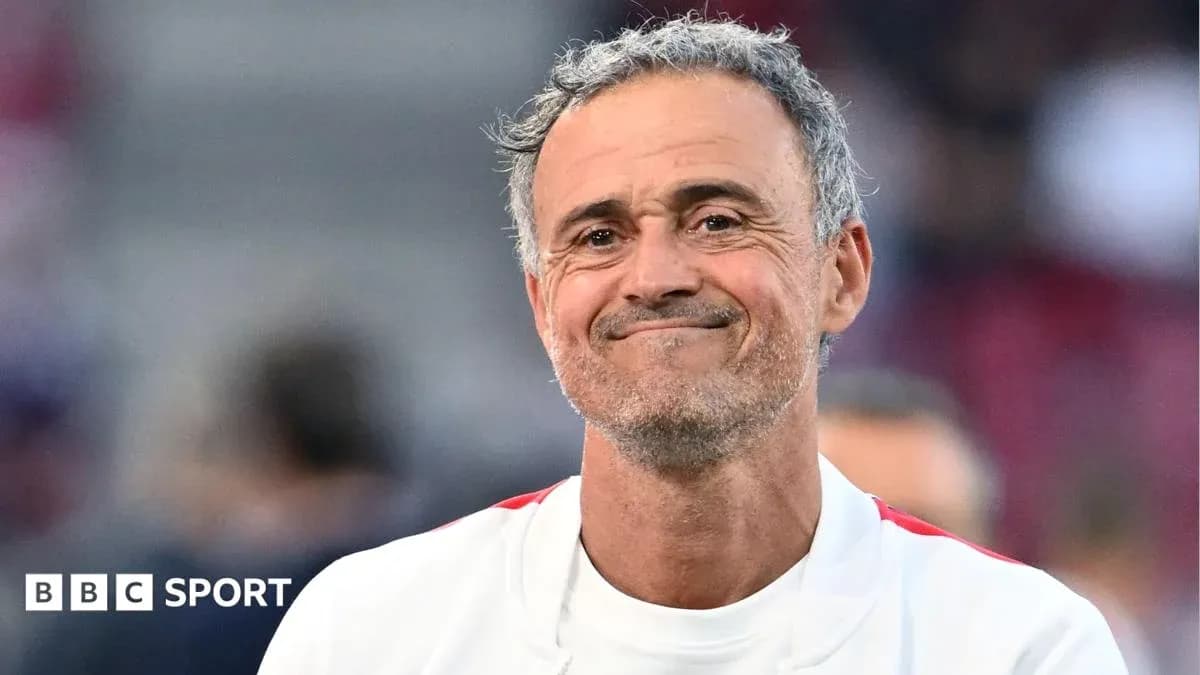
Paris Saint-Germain have nailed their colours to the mast. Luis Enrique is staying.
The French champions announced on their official channels that the Spaniard has signed a contract extension running until 2030, a six-year commitment that tears up their old habit of chopping and changing in the dugout. For once, PSG are betting on continuity, not celebrity churn.
From star collection to football machine
This is not a sentimental reward. It is a statement of intent from Nasser Al-Khelaifi and the hierarchy, who are described as “totally satisfied” with Enrique’s work since he walked through the door in 2023.
He inherited a club addicted to individual brilliance. He has turned it into a team.
Under Enrique, PSG have been reshaped into a high-pressing, tactically drilled side, less about posters and more about patterns of play. The squad now functions as a unit, with collective structure trumping solo improvisation. That shift, more than any single trophy, explains why the club now sees him as the central pillar of their sporting project.
And the trophies have come in waves.
A staggering haul of silverware
In just over three seasons, Enrique has overseen a transformation of PSG’s honours list. The numbers are blunt:
- 3 Ligue 1 titles
- 2 French Cups
- 2 French Super Cups
- 2 UEFA Super Cups
- 1 FIFA Intercontinental Cup
Twelve trophies, rapid-fire. But one competition changed everything.
In 2025, Enrique delivered what so many of his predecessors could not: PSG’s first-ever Champions League title. The club that had spent a decade chasing European validation finally climbed the mountain.
He didn’t stop there. In 2026, PSG defended the crown, turning a long-running question — “Can they ever win it?” — into a new one: “Who can stop them?” Two straight Champions League triumphs have recast the Parisian giants as the team to beat on the continent.
A long-term project, not a quick fix
The new deal is built on that success, but it is not just a thank-you note. Inside the club, the extension is seen as the base of a new era: less short-term patchwork, more long-term architecture.
PSG want a clear football identity that survives transfers, egos, and cycles of form. Enrique sits at the centre of that vision. He has pushed young players into the first team, ensured that the team’s style remains intact even as personnel change, and kept star names aligned behind a “team-first” mantra that Paris have often lacked.
The stability of a contract to 2030 gives him something rare at the elite level: a genuine five-year horizon. Recruitment can be mapped out around his tactical demands. Academy pathways can be designed knowing the head coach will still be there when a 17-year-old becomes a starter.
Enrique now works hand in hand with the recruitment department, targeting players who fit the technical and tactical profile of his system rather than simply the biggest names on the market. The influence stretches beyond the touchline and into the club’s long-term blueprint.
The next evolution
With the uncertainty over his future gone, Enrique can turn fully to his favourite subject: the football itself. The challenge is no longer to prove that his ideas work at PSG. That argument has been settled on domestic and European stages.
The task now is to evolve again, to keep those tactical innovations one step ahead of the rest of Europe.
PSG have chosen their architect. The question for the next four years is simple: how far can he push this dynasty?