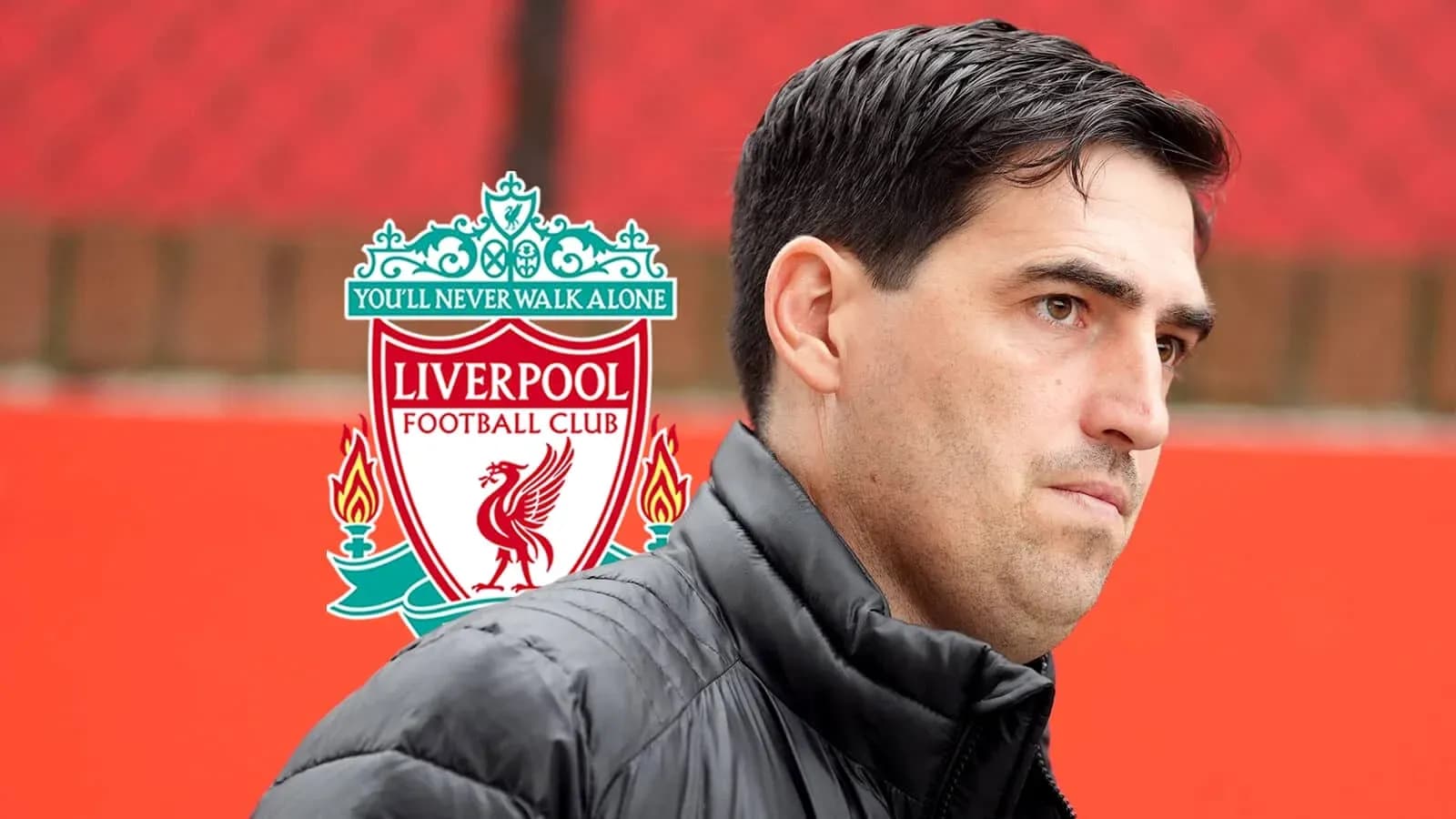
Liverpool Firm on Midfield Strategy Despite Curtis Jones Departure
Liverpool are standing firm. Curtis Jones has gone, the noise around their midfield has grown louder, but the club have no intention of dipping back into the market to plug the gap.
Jones’ £30m move to Inter Milan – agreed with a year left on his deal and framed as a clean break for all sides – has stripped Andoni Iraola of a homegrown, tactically flexible option in the middle of the pitch. It has also exposed, once again, the one area of this Liverpool team that refuses to go away as a talking point.
That weakness was laid bare at the weekend. Newcastle’s counterattacks sliced through Liverpool in a breathless 2-2 draw, repeatedly exposing the lack of a natural holding midfielder. Dominik Szoboszlai drives forward, Alexis Mac Allister wants to dictate, Ryan Gravenberch prefers to roam. None of them are true No 6s, and St James’ Park underlined it in brutal fashion.
The response from supporters and pundits was instant: sign a defensive midfielder, and do it now.
Inside the club, the mood is very different.
Iraola backs Nyoni as Jones’ heir
As first reported by Graeme Bailey and now reinforced by James Pearce in The Athletic, Iraola’s plan has never revolved around a late-window fix. He wants to promote from within.
Pearce reports that senior Liverpool figures insist their priority remains strengthening the wide attacking positions, not the centre of the pitch. The club “don’t intend to replace Jones,” he writes, because they believe teenager Trey Nyoni is ready to take on a more prominent role this season.
The message is blunt: unless there is a dramatic late change of stance, only the forward line will be reinforced before the window closes. The midfield, with all its question marks, will be asked to stand up as it is.
It hasn’t always been such a calm internal picture.
From concern to conviction
Bailey reveals that before pre-season, when it became clear Jones might leave, Iraola was genuinely worried about the depth in midfield. That anxiety was one of the reasons he initially wanted Jones to stay. A versatile, press-resistant academy graduate who understands the club’s demands is not easily replaced.
Those doubts triggered a wide-ranging search. Liverpool cast their eye across the market and, according to Bailey, considered some heavyweight names. Bruno Guimaraes and Sandro Tonali were both looked at before sealing moves to Arsenal and Tottenham respectively.
Iraola, Bailey says, pushed for work to be done on multiple options. The recruitment team did just that.
Elliot Anderson’s situation was monitored. Guimaraes and Tonali were assessed. None of them, in the final analysis, matched Liverpool’s criteria on role, fit, or price.
The club then pivoted towards younger profiles. Adam Wharton, Alex Scott and Lamine Camara all came under serious scouting scrutiny. Liverpool liked what they saw, and what they heard. The problem lay in the numbers.
Deals for that calibre of emerging talent, Bailey notes, were coming in at £50m, £60m, even beyond £70m. For a club already stacked with technical midfielders and determined not to repeat past mistakes in squad building, those figures proved too steep for a position they believe can be covered internally.
So Iraola has chosen his path. Nyoni steps up, the system does the rest, and the club’s resources are pointed towards the flanks.
Not everyone is convinced.
Sturridge sounds the alarm
Daniel Sturridge has voiced what many Liverpool fans are thinking. The former striker is openly concerned by the side’s fragility without the ball and has criticised the decision not to bring in a specialist midfielder this summer.
He believes Liverpool have ignored a glaring issue. In his view, the lack of a true defensive shield in front of the back four has been a problem at Anfield for three years, and the club’s refusal to address it – even with a £39m option available – is a serious misstep.
That tension now frames Liverpool’s season. Iraola is betting on coaching, structure and youth, trusting Nyoni and the existing group to grow into the role. Critics see a title-chasing side deliberately leaving a fault line running straight through its core.
One of those two readings will define what this Liverpool campaign becomes.