Leicester City Up for Sale as King Power Era Ends
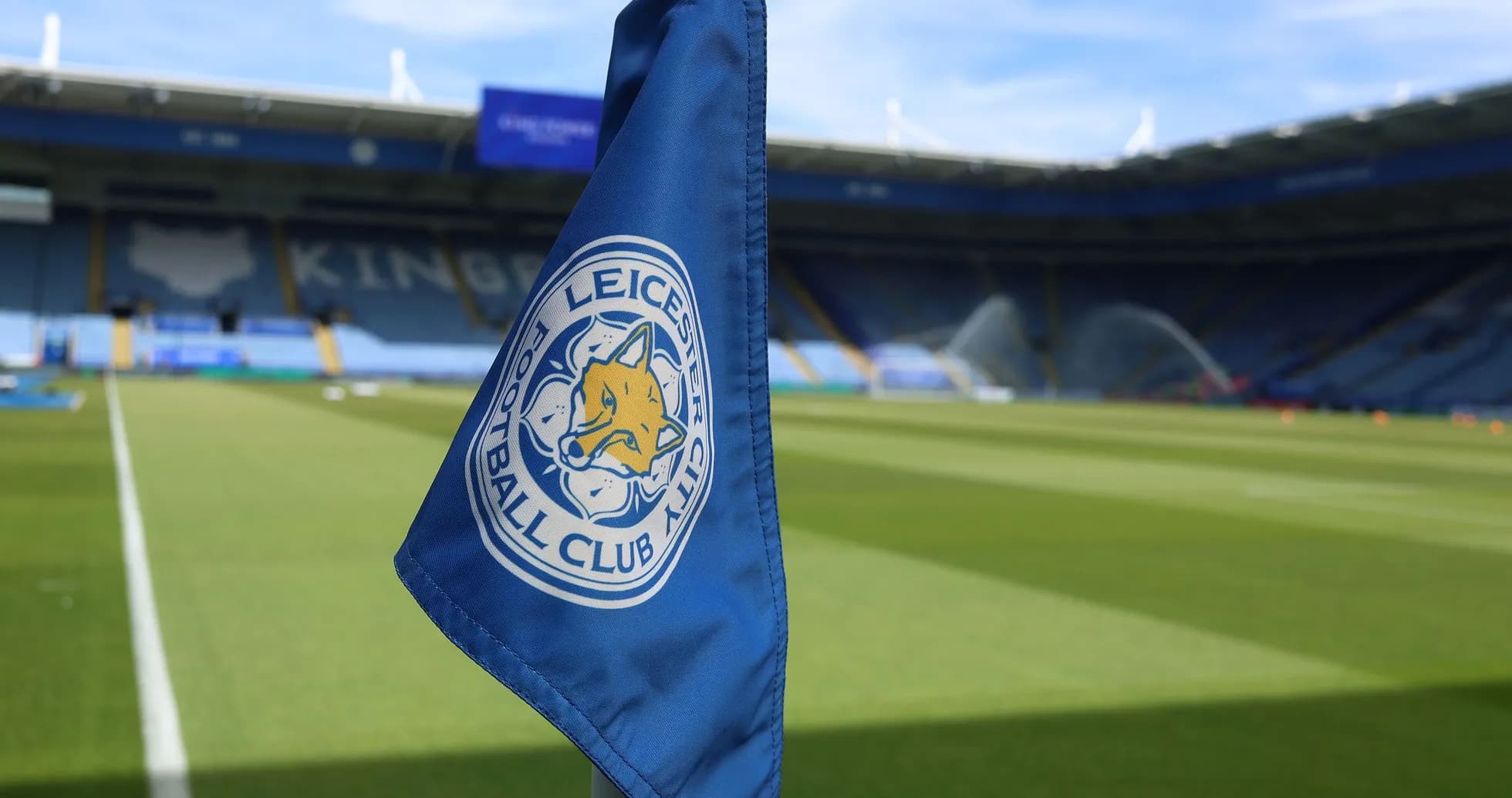
King Power has put Leicester City on the market, calling time on one of the most remarkable ownership stories in modern English football.
According to BBC Sport, the Thai-based group, led by chairman Aiyawatt “Top” Srivaddhanaprabha, has instructed US investment bank Citigroup to run the sale. An eight-page brochure, pointedly titled “Project Lineup”, is already circulating among prospective buyers.
It is not a modest pitch.
A club, a stadium, a training empire
The document lays out a sweeping package: the men’s first team, the women’s side, the 32,000-seat King Power Stadium and the Seagrave training complex, which only opened in 2020 and has been given a £121 million price tag.
In all, the club’s physical assets are valued at more than £200 million. The glossy brochure lingers on those bricks-and-mortar strengths, but keeps its distance from one crucial number: a hard valuation for the playing squads. Instead, Citigroup leans on Leicester’s reputation as “a rare opportunity to acquire a club with an excellent track record of winning promotions to higher divisions.”
The sales material projects turnover of more than £97 million for the 2026 financial year. On the surface, that sounds reassuring. The recent accounts tell a different story.
Heavy losses, rising debt
Between 2023 and 2025, Leicester racked up financial losses of more than £180 million. The 2025 accounts also revealed a heavy debt load, including £103.6 million in bank loans.
The pressure has not only come from the pitch.
King Power’s core duty-free business in Thailand has been hit by wider economic headwinds, weakening the once-powerful synergy between the retail empire and the club. Under Vichai Srivaddhanaprabha, that connection fuelled Leicester’s rise from Championship contenders to Premier League champions. Global market shifts have since strained that model.
Now, with the club in decline and the parent company under stress, the Srivaddhanaprabha family is ready to listen to offers.
From £35m bargain to fan unrest
Leicester’s owners bought the club for just £35 million from Milan Mandaric in 2010. What followed was a fairytale: promotion, that impossible Premier League title in 2016, and an FA Cup triumph that cemented their place among English football’s modern elite.
The mood has turned sharply.
Back-to-back relegations have dragged Leicester into League One and sparked fury in the stands. Months of growing discontent culminated in loud protests outside the stadium after their latest Championship relegation, a stark contrast to the days when scarves were raised in gratitude to the Srivaddhanaprabha family.
The sale process now runs alongside that anger, with supporters watching a new chapter being written without knowing who will hold the pen.
Selling the pedigree
For all the gloom, “Project Lineup” leans hard on Leicester’s status.
The brochure reminds bidders that the Foxes are one of only five clubs to have won all three major English trophies – the Premier League, FA Cup and League Cup – since the turn of the millennium. That is the company they keep.
Another pillar of the pitch is the club’s academy and recruitment machine. Citigroup hails a “strong talent pipeline backed by leading scouting infrastructure, active transfer management and highly developed academy system consistently producing top players.”
Recent business backs that up. The £10 million sale of academy graduate Jeremy Monga to Manchester City is flagged as a fresh example of how Leicester can still develop and monetise talent, even as results slide.
For investors, that kind of pipeline can be as enticing as any trophy cabinet.
League One reality bites
While the brochure makes its rounds in financial circles, the football reality is far more stark.
Leicester are preparing for League One, the third tier, for only the second time in their history. The campaign starts with a trip to Notts County on Saturday, a fixture that underlines just how far they have fallen from those nights under the lights against Europe’s elite.
The King Power era is being packaged and priced, its assets listed and its glory years condensed into bullet points. The question now is who steps in next – and whether they can turn a “rare opportunity” on paper into a revival on the pitch.