KNVB Seeks Roberto Martínez as Dutch National Team Coach
The KNVB has stepped outside its own comfort zone.
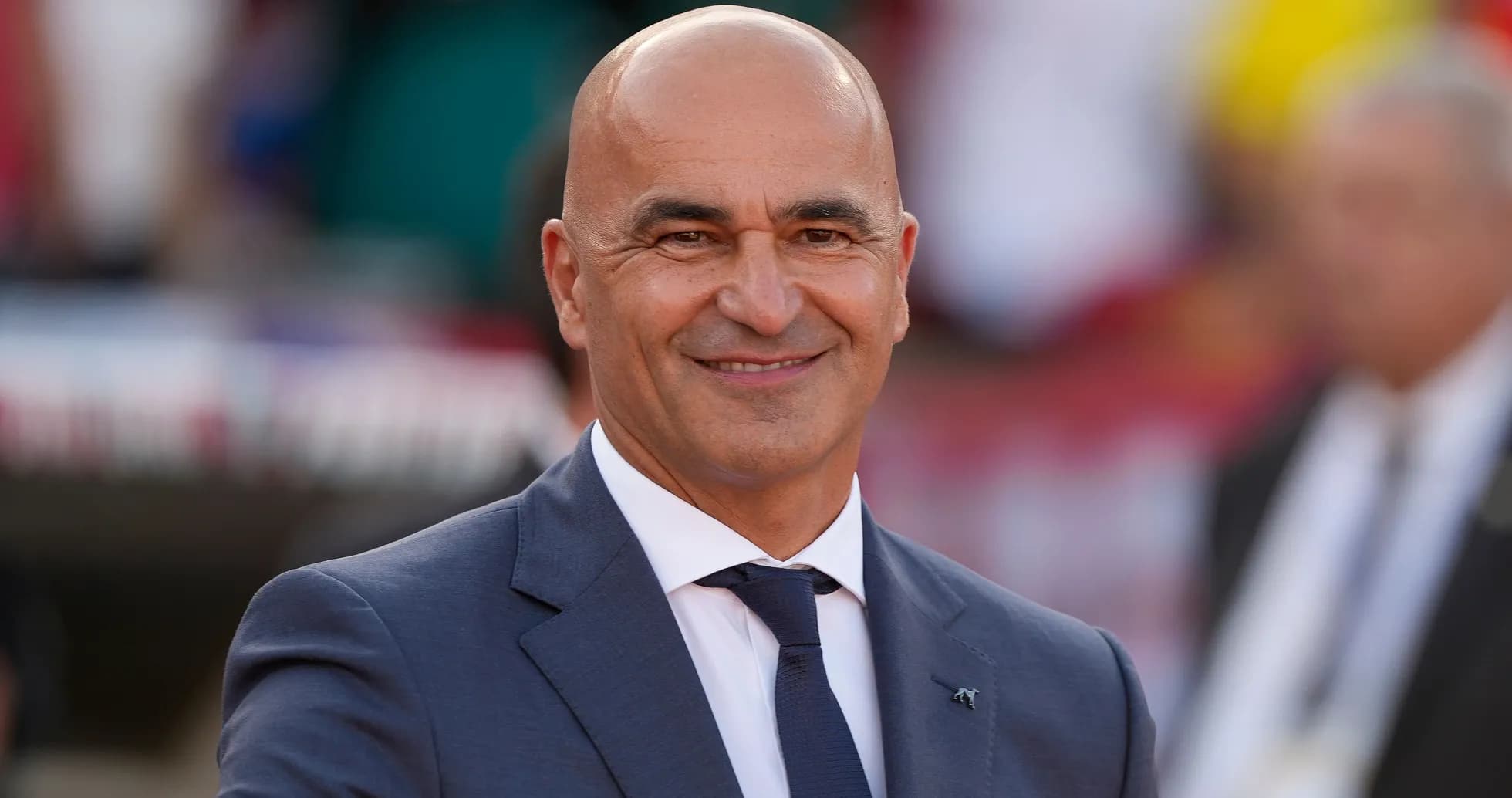
According to De Telegraaf, technical director Nigel de Jong travelled to Malaga for face-to-face talks with 53-year-old Spanish coach Roberto Martínez, a striking break from the federation’s usual way of doing business as it hunts a successor to Ronald Koeman.
For decades, the Oranje job has been a closed shop for Dutch coaches. This time, the door is being forced open.
KNVB turns to Martínez after Dutch options dry up
The move for Martínez follows a series of setbacks in the chase for a high-profile Dutch manager. Peter Bosz, Arne Slot and Erik ten Hag have all pulled out of contention, each for their own professional reasons, leaving the KNVB scrambling for an alternative worthy of the role.
That search has led them to a foreign coach for the first time in almost 50 years. The Netherlands have not appointed a non-Dutch manager since Austrian Ernst Happel, who took the Oranje to the 1978 World Cup final and carved his name into Dutch football history. Since then, the most prestigious dugout in the country has been reserved exclusively for homegrown coaches.
An appointment for Martínez would shatter that unwritten rule.
A Spaniard steeped in Dutch ideas
Despite his passport, Martínez is not viewed internally as a complete outsider. Within the KNVB, some see him as a natural extension of Dutch football thinking.
He is a close friend of Jordi Cruijff and a long-time admirer of the philosophy shaped by Johan Cruijff. Those connections, and his alignment with the positional play and attacking principles that underpin the Dutch game, have pushed him to the top of the discussion as the federation widens its search.
Slot explains why he walked away
While Martínez has moved into focus, the story around Arne Slot has refused to die down. The 47-year-old was in talks to take over his national team but stepped away from the race, prompting reports that he had rejected the job over salary demands and contract length.
Slot has now knocked that narrative down himself.
“Over the past few weeks, and particularly the past few days, various reports have appeared regarding the vacancy at the Dutch national team, suggesting that I had withdrawn from the process after lengthy negotiations, including regarding salary and contract duration. That speculation is incorrect. We simply never reached that stage of the talks,” he said in a statement.
Then he spelled out the real reason.
“At this stage of my career, I prefer to see myself on the training pitch with my players every day. Something that is simply not possible in the same way with a national team.”
With that, one of the KNVB’s preferred options shut the door, and the search moved on.
Internal candidates sounded out
The federation has not limited itself to big external names. De Jong and Clarence Seedorf, together with director of professional football Marianne van Leeuwen, held exploratory talks with Michael Reiziger at the Okura Hotel in Amsterdam.
The timing was symbolic: the meeting took place just before the Johan Cruijff Schaal clash between PSV and AZ, with Dutch football’s heritage literally on the doorstep. Reiziger, currently in charge of Jong Oranje, represents the internal pathway the KNVB has often favoured.
Yet, according to reports, that conversation has not progressed. No follow-up talks have been held with Reiziger, leaving his candidacy parked rather than pushed.
Van Gaal left on the sidelines
All of this has unfolded against a backdrop of public nostalgia. A section of the fanbase has called loudly for Louis van Gaal to return for a fourth spell in charge, hoping for one more act from the veteran coach.
The KNVB has not answered that call. Reports indicate the federation has made no contact with the 75-year-old, a decision that has stirred debate around the process and the direction of the national team.
So the picture is clear and stark. The traditional Dutch options have slipped away, the internal route has stalled, and the old master remains untouched.
That leaves Roberto Martínez at the centre of a decision that could redraw half a century of Oranje orthodoxy.