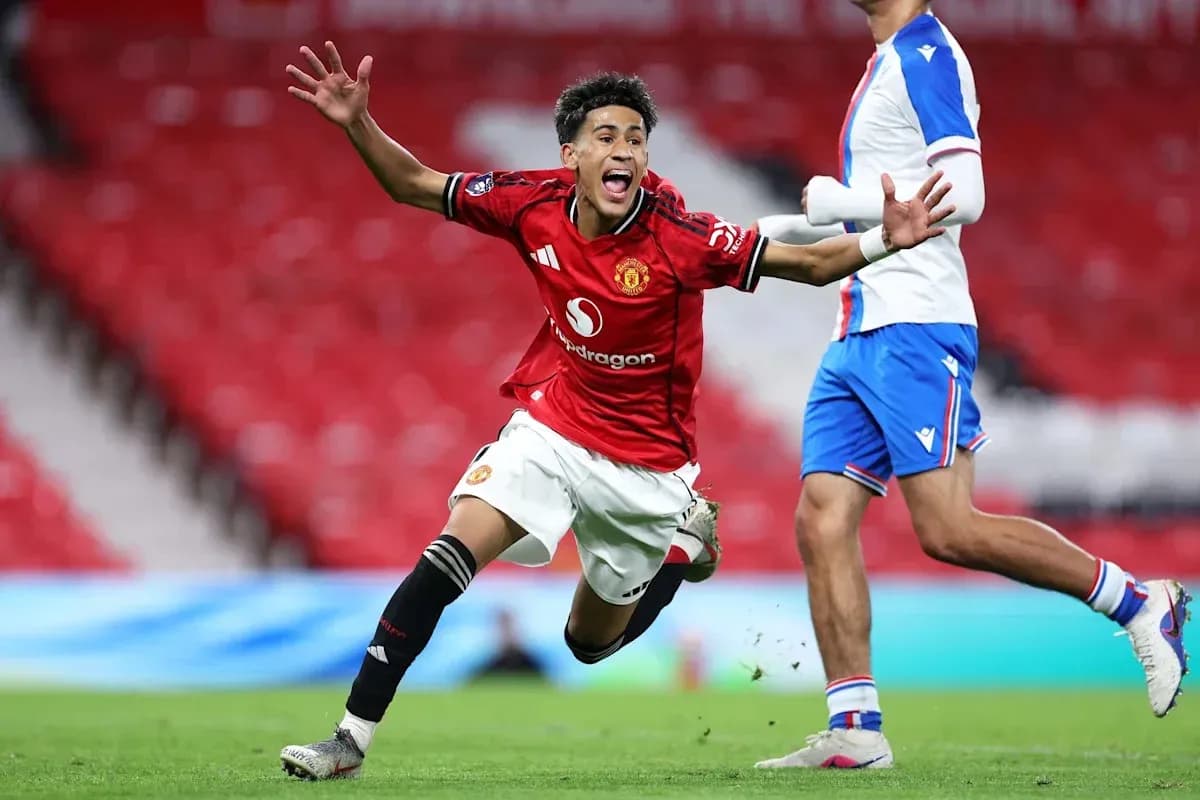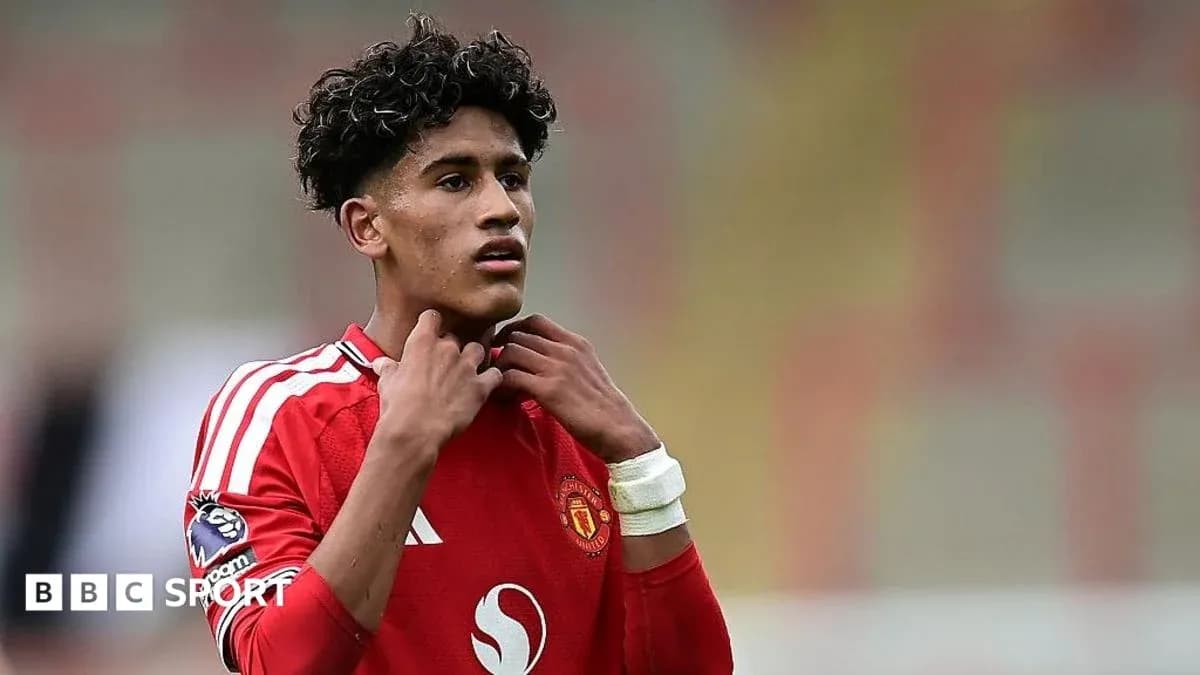
Kendry Páez's Journey: From Ecuadorian Prodigy to Chelsea's Under-21s
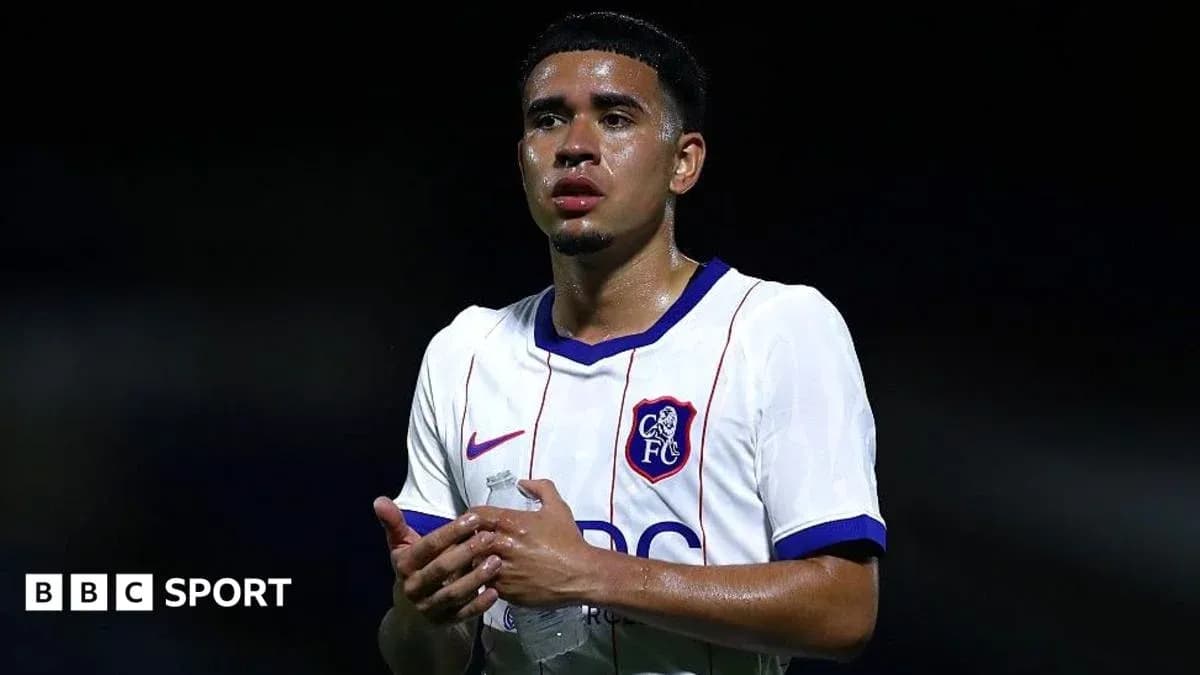
Kendry Páez finally wore Chelsea blue on Saturday. Not under the lights at Stamford Bridge, not in the Premier League, but on a grey afternoon for Cobham Next Gen away at Arsenal in Premier League 2.
Three years after Chelsea agreed a £17.27m deal for the Ecuadorian prodigy, the club’s long‑awaited attacking jewel came on as a 12th‑minute substitute for the Under-21s in a 4-1 win. A quiet debut in front of a modest crowd, a far cry from the hype that once surrounded his name.
For a player billed as South America’s next great No 10, this is not where the script was supposed to go.
From record breaker to reality check
Páez’s story began at breakneck speed.
At 15, he became the youngest debutant and goalscorer in Ecuador’s top flight with Independiente del Valle. He played in the Copa Libertadores before most teenagers finish school exams. By 16 years and 131 days, he was already making history for Ecuador, becoming the second-youngest South American to feature in World Cup qualifying after Diego Maradona.
A month later he went one better, scoring in a 2-1 win away to Bolivia to become the youngest South American ever to score in a World Cup qualifier. Chelsea moved quickly. When they agreed the deal in 2023, Páez already had 18 caps and two international goals. The club were convinced they had secured a generational talent.
They treated him like one too. Before he could officially join after his 18th birthday, Chelsea regularly brought him into first-team training. When violence erupted in Ecuador in early 2024, the club stepped in, arranging security for Páez, his family and the family of international team-mate Moisés Caicedo.
The path looked clear. Then it began to twist.
Loans, criticism and a stalled rise
The first major bump came away from England. On international duty, Páez was filmed in a New York strip club. It did not derail his career on its own, but it added to the sense of a teenager still learning how to live under the spotlight.
On the pitch, his first European loan at Strasbourg started brightly. He won Ligue 1’s Young Player of the Month award in September, offering flashes of the talent Chelsea had paid for. The excitement did not last.
Manager Liam Rosenior’s patience thinned as the season wore on.
“We expect more, clearly,” Rosenior said. “I’m tired of using the excuse of the player’s youth.”
The message was blunt. Strasbourg, despite their ownership links to Chelsea, cut the loan short after just one goal in 21 appearances.
River Plate came next. A two-year loan to one of Argentina’s giants looked like a chance to reset. Instead, familiar concerns resurfaced. Sources in Argentina questioned his attitude and pointed to a flat display in the Superclásico – a 1-0 defeat to Boca Juniors at the Monumental in April – as symbolic of his struggles.
Shortly after that, River president Stefano Di Carlo named Páez among 15 players training away from the first team. Some around the club believed he deserved more chances, but the outcome was the same: another early exit. His loan ended by mutual consent after one goal in 14 appearances and 461 minutes.
For a player Ecuador had built up as their next great attacking hope, the alarm bells back home grew louder.
Michel Deller, owner of Independiente del Valle, voiced the concern to Hincha Amarillo.
“He’s like a son to us. We care about him deeply,” Deller said. “He’s a good kid who’s had a tough time and has made decisions that have complicated his life. We are always hopeful he’ll show his exceptional talent once again but right now, it’s up to him to decide what to do with his life.”
Alonso’s verdict and a reset at Cobham
Chelsea have not ignored those worries. New head coach Xabi Alonso has been clear: Páez is “not in my plans” for the first team right now. On the club website, he is listed as an academy player.
The club did try to find him a loan in English football, but FIFA rules blocked any overseas move. Chelsea have already used all six of their international loan slots, leaving Páez stuck in limbo.
So the reset has come at Cobham.
He has been back in the building, training daily in what the club see as a stable, elite environment. Chelsea have been encouraged by his attitude since returning, and there is a noticeable layer of support around him. Family members were in the stands for the recent EFL Trophy tie at Wycombe Wanderers.
That night offered a small reminder of what he can do.
Páez started on the bench, distant from his team-mates before kick-off, mostly keeping to himself. When he came on in the 62nd minute, he initially drifted through the game as a right-sided No 10 in a system mirroring Alonso’s back three. Chelsea struggled and eventually lost, but the final minutes flickered into life.
From a short corner, Páez whipped in an outswinging cross that Harrison Bettoni tapped home in added time. Moments later, another delivery caused chaos in the Wycombe box as Chelsea chased an equaliser in front of just 778 fans.
It was not a statement performance. It was a glimpse.
A career still very much salvageable
For all the noise around him, Páez is not an untested kid. He has already played 70 times for Independiente del Valle and has more than 100 senior matches on his record. He has 27 caps for Ecuador and a World Cup appearance behind him at just 19.
Those numbers matter. They are the foundation Chelsea believe he can still build on.
Inside Cobham, the feeling is that the narrative around his attitude has been inflated. Concerns are not dismissed, but those close to him insist he needs time – time to grow, time to make mistakes, time to rediscover the edge that once made him one of the most coveted teenagers in South America.
Now, the plan is simple and brutal: perform.
Academy games at Chelsea are heavily scouted. Clubs from across the English Football League – and beyond – regularly watch Cobham Next Gen. If Páez strings performances together, a first loan move in England in January is within reach. Alternatively, if one of Chelsea’s six international loan slots opens up, another overseas spell could follow.
For the first time in a while, the situation feels controlled. He is back under Chelsea’s eyes, back in a structure designed to protect and challenge him.
The talent that drew Chelsea to him has not vanished. It has been buried under poor choices, harsh lessons and the weight of expectation. The question now is not whether Kendry Páez has the ability.
It is whether this quiet, almost anonymous start in the Under-21s becomes the launchpad for the career everyone once assumed was inevitable.