
Ipswich Town Consider Solskjaer as McKenna's Successor
Ipswich Town’s first summer back among the elite is already crackling with intrigue. Promotion euphoria has barely faded and Portman Road is staring at its biggest decision in years: who replaces Kieran McKenna?
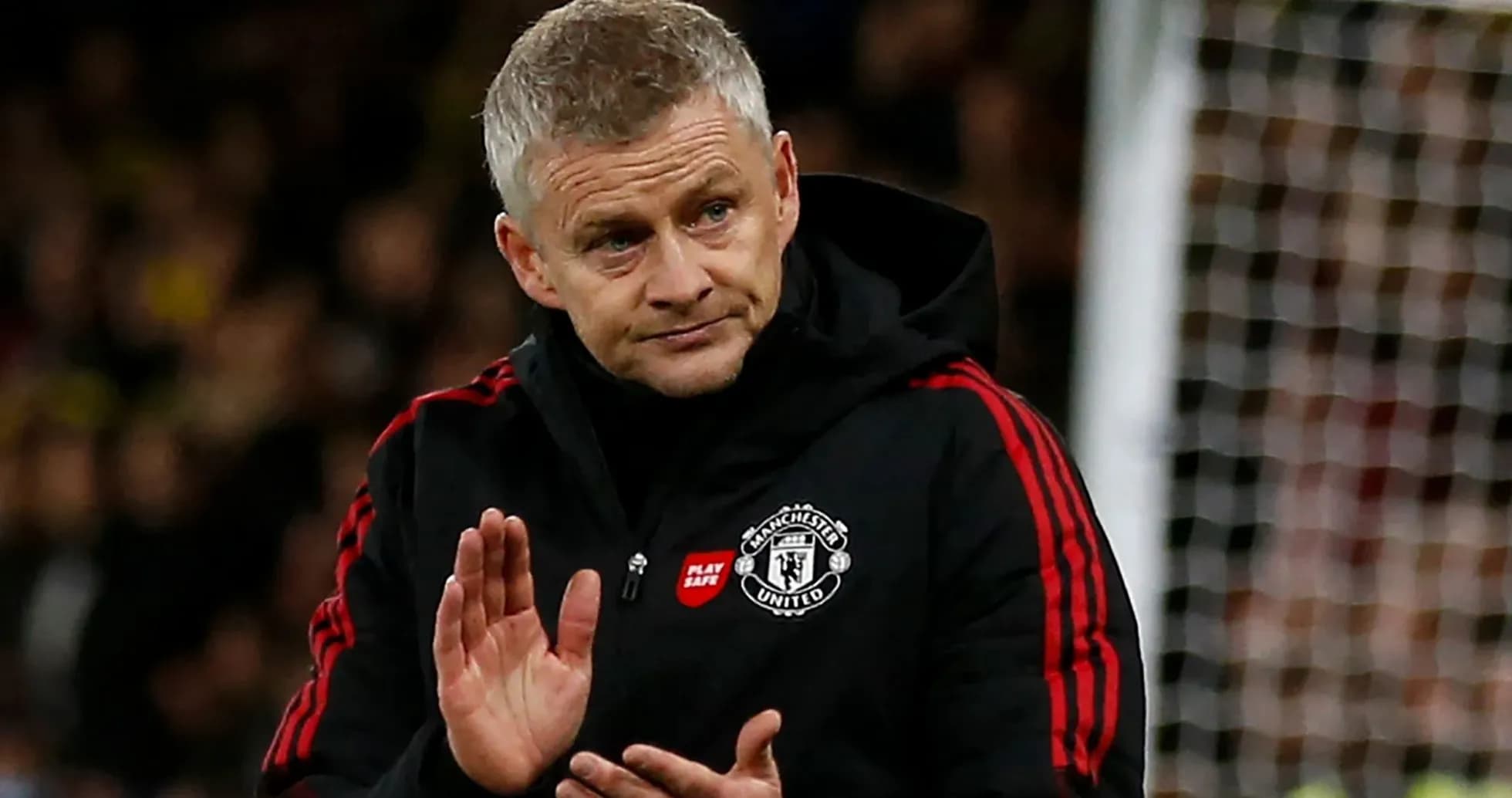
According to the BBC, Ipswich are weighing up a bold move for Ole Gunnar Solskjaer, a name that still carries the weight of Old Trafford and all the scrutiny that comes with it. The Norwegian has been out of the limelight since leaving Besiktas last summer, but those close to him suggest he is hungry for a new challenge in England.
This is no random link. It’s a neat, almost emotional thread that runs straight through Manchester United.
McKenna, the architect of Ipswich’s extraordinary rise from League One to the Premier League, worked as Solskjaer’s assistant during their spell together at United. Now the student has departed as a hero in Suffolk, and the mentor is being lined up as a possible heir. The symmetry will not be lost on supporters.
Solskjaer’s stock remains defined by that turbulent three-year spell at United, which included a second-place finish in the Premier League in 2020–21 and a fanbase perpetually divided over whether he overachieved or fell short. Ipswich, by contrast, would offer him a different kind of stage: ambitious, expectant, but without the relentless glare of Old Trafford.
He briefly stepped away from management after his United exit in 2021, resurfaced in Turkey, and was even reportedly floated as a candidate to return to United last season before the club chose Michael Carrick as it sought a new direction. Now, Ipswich could hand him the chance to reshape his managerial narrative in England.
But Solskjaer is not the only name on the table.
Gary O’Neil, currently in charge at Strasbourg, is also under serious consideration by the Ipswich hierarchy. His rise has been quieter, more workmanlike, but no less impressive. O’Neil has carved out a reputation as a sharp, modern coach after steadying Bournemouth and then impressing at Wolves, where his tactical acumen and ability to squeeze performances from tight squads caught the eye.
There is already a line of familiarity at Portman Road. O’Neil worked with Ipswich chief executive Mark Ashton at Bristol City, and that prior relationship could carry weight as the club looks for continuity in culture as much as results.
Strasbourg, for their part, are thought to be determined to keep O’Neil, who only arrived in January. The project in France is still in its infancy. Yet the pull of the Premier League is powerful. The chance to lead a newly promoted, upwardly mobile club in England’s top flight is the kind of opportunity that can turn a coach’s head.
Ipswich’s board know they cannot afford to misstep. The club have become the first side since Southampton in 2012 to charge from the third tier to the Premier League with back-to-back promotions. Momentum is not a buzzword here; it is the backbone of everything they have achieved under McKenna. Whoever walks into the dugout inherits a squad drilled in winning high-pressure games and a fanbase that has rediscovered its voice.
That is why McKenna’s departure cut so deeply.
Supporters had dreamed of seeing the 40-year-old lead them into the Premier League, completing the journey he started in League One. Instead, just weeks after sealing promotion, he chose to step away. There were strong links to the Fulham job, but McKenna moved quickly to stress that his decision was not about a leap elsewhere, but about stepping back.
“I feel this is the right time for me to step aside,” he said in his farewell statement. “I do so with great pride at the incredible progress we have made and with huge hope and optimism for the future of the club.”
It is hard to argue with the scale of that progress. Under his watch, Ipswich climbed from the depths of the third tier to the “promised land” of the top division, playing fearless, front-foot football that reawakened a sleeping club. His exit leaves more than just a vacancy; it leaves a void in identity and leadership.
That is the context into which Solskjaer or O’Neil would walk.
Solskjaer would bring the aura of a former Manchester United manager, a coach who has handled superstar egos and the chaos of a global institution. His critics point to tactical shortcomings; his supporters highlight man-management, culture-building and that 2020–21 league finish as evidence he can construct a competitive side over a season.
O’Neil represents something different: a rising English coach whose reputation has been built on resilience, structure and adaptability. At Bournemouth and Wolves he navigated choppy waters, often amid uncertainty and limited resources, and emerged with his standing enhanced.
Ipswich’s decision-makers are clear on one thing: they want a manager who can harness what McKenna built rather than rip it up. This is not a reset. It is a continuation, with the volume turned up for the Premier League.
The stakes are obvious. Choose correctly, and Ipswich could cement themselves as one of the most compelling stories in the division next season. Choose poorly, and two years of dizzying ascent could quickly give way to a brutal reminder of how unforgiving the top flight can be.
Portman Road has waited a long time to see Premier League football again. The next man in the home dugout will decide whether this return is a brief cameo or the start of a new era.




