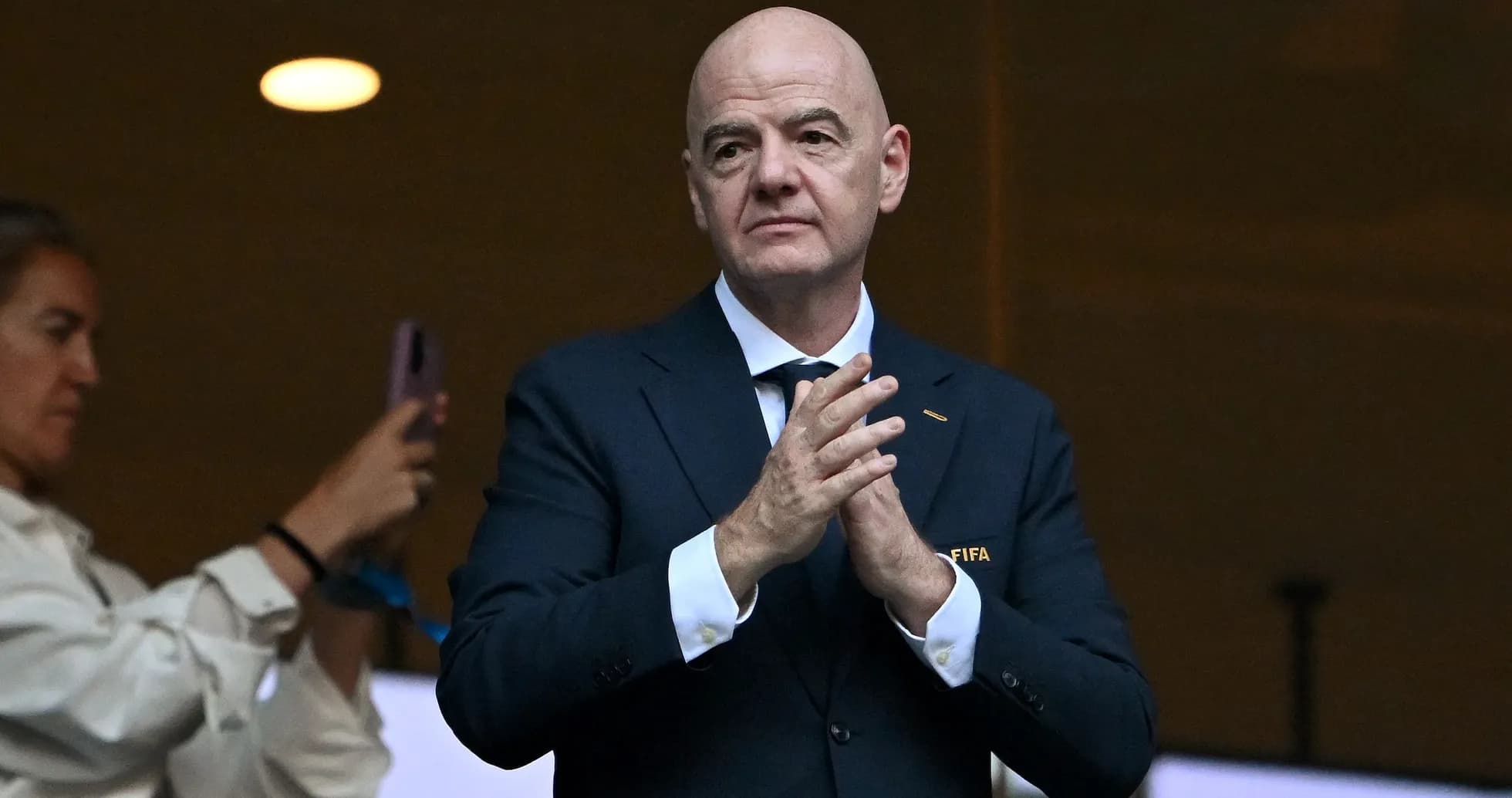
Infantino's FIFA Presidency Under Threat from European Boycott
The prospect of England and a clutch of leading European nations walking away from FIFA competitions is no longer sabre-rattling. It is on the table, in writing, and very much alive.
What began as another grand commercial vision from Gianni Infantino has spiralled into the gravest stand‑off of his presidency. The flashpoint was his attempt to create a new FIFA subsidiary to manage and sell off major stakes in blue‑riband assets – including the World Cup itself.
The scheme, seen by many inside Europe as nothing short of carving up the crown jewels, detonated last week. By Friday night it had formally collapsed. The damage, though, did not.
UEFA draws a hard line
UEFA, speaking with rare, unvarnished fury, set out its position in a statement to Sky News that left little room for compromise.
Its associations, the spokesperson stressed, had attached clear conditions to any continued participation in FIFA competitions. First: the plan to sell off “the major competitions” had to be withdrawn. Second: cast‑iron assurances were required that such attempts to “disfigure the game” would never be made again.
Those conditions, UEFA says, have not been met.
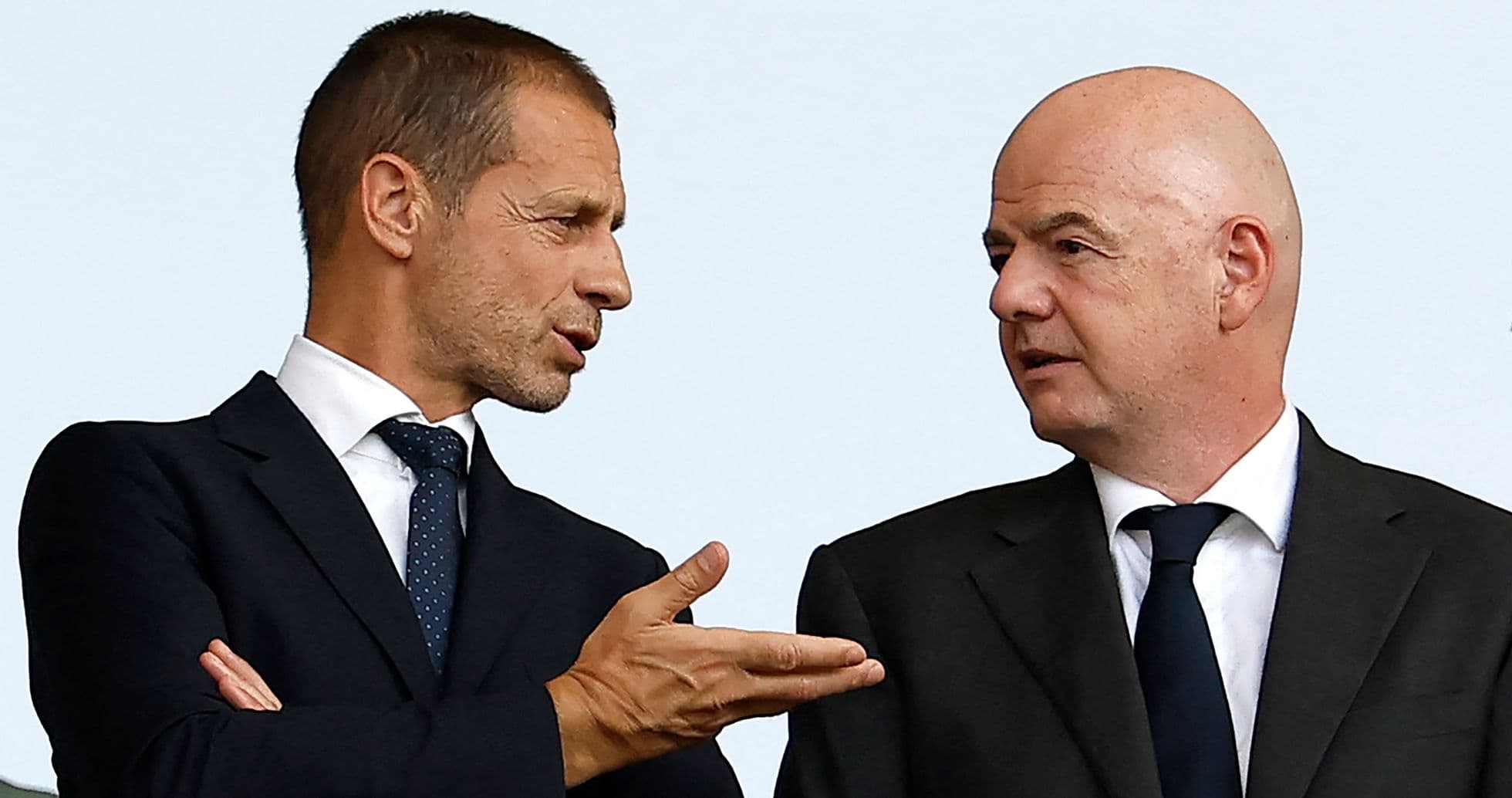
The statement went further, underlining that UEFA had already declared it had lost confidence in Infantino’s presidency – and that “position holds”. The organisation dismissed as irrelevant the subsequent announcement that employees working for the FIFA president, and reliant on his favour, had backed him. That, UEFA said bluntly, “changes nothing”.
This is no routine skirmish between Zurich and Nyon. It is a direct challenge to Infantino’s authority, and it comes with the threat of a boycott attached.
FIFA backtracks, but not far enough
Under heavy fire, Infantino and FIFA secretary general Mattias Grafstrom moved to cool the temperature. They issued a joint letter, a carefully worded attempt at de‑escalation that mixed contrition with defiance.
They acknowledged the rollout of the commercial project had been mishandled. They expressed regret. They apologised.
“We sincerely apologise for these errors and commit to them not happening again,” the letter read, before accepting that “errors were also made after the proposal was leaked to media”. FIFA promised a review, with a report to be presented to the FIFA Council at its next scheduled meeting.
The climbdown stopped there. No hint of the sweeping leadership overhaul that many European associations now want. No concession that the underlying vision was flawed, only that its presentation and handling were.
And as FIFA held out an olive branch with one hand, it clenched the other into a fist.
Zurich digs in
FIFA’s leadership doubled down on the legality and propriety of its actions. The governing body insisted that every step had been taken “in full compliance with the FIFA regulatory framework”, and warned it would no longer tolerate leaks or what it called “attacks on its integrity, good governance and due process”.
“With the project withdrawn,” the letter continued, “FIFA will no longer tolerate any attacks on its integrity, good governance and due process and will take all necessary measures to protect and safeguard its name and reputation.”
The message was clear: the specific proposal may be gone, but the institution will fight to defend both its conduct and its president.
That stance jars sharply with the reaction across much of the global game, where the very idea of parcelling off pieces of the World Cup – football’s most sacred tournament – has provoked outrage and deep mistrust.
England caught in the crossfire
The political battle now threatens to spill straight onto the pitch.
The first real test of whether England and other European nations will follow through on boycott threats could come as early as next month at the Women’s U20 World Cup. England have already named a training squad for the tournament, yet their participation now hangs over a fault line between UEFA and FIFA.
If the dispute hardens, age‑group players could become the first collateral damage in a war they did not start.
The stakes climb even higher on the senior international calendar. October brings the qualifying play‑offs for the 2027 Women’s World Cup, a window that could turn into a referendum on Infantino’s leadership.
England, Scotland, Wales, Northern Ireland and the Republic of Ireland are all scheduled to be involved. Should UEFA’s threat crystallise into action, those play‑offs – and the World Cup they feed into – would be reshaped beyond recognition.
The commercial project that sparked this crisis may have been scrapped. The question now is whether Infantino can repair enough trust, and quickly enough, to stop Europe from walking away from his World Cup.