Gattuso Reflects on World Cup Heartbreak and Italy's Future
Gennaro Gattuso did not try to hide. He rarely has.
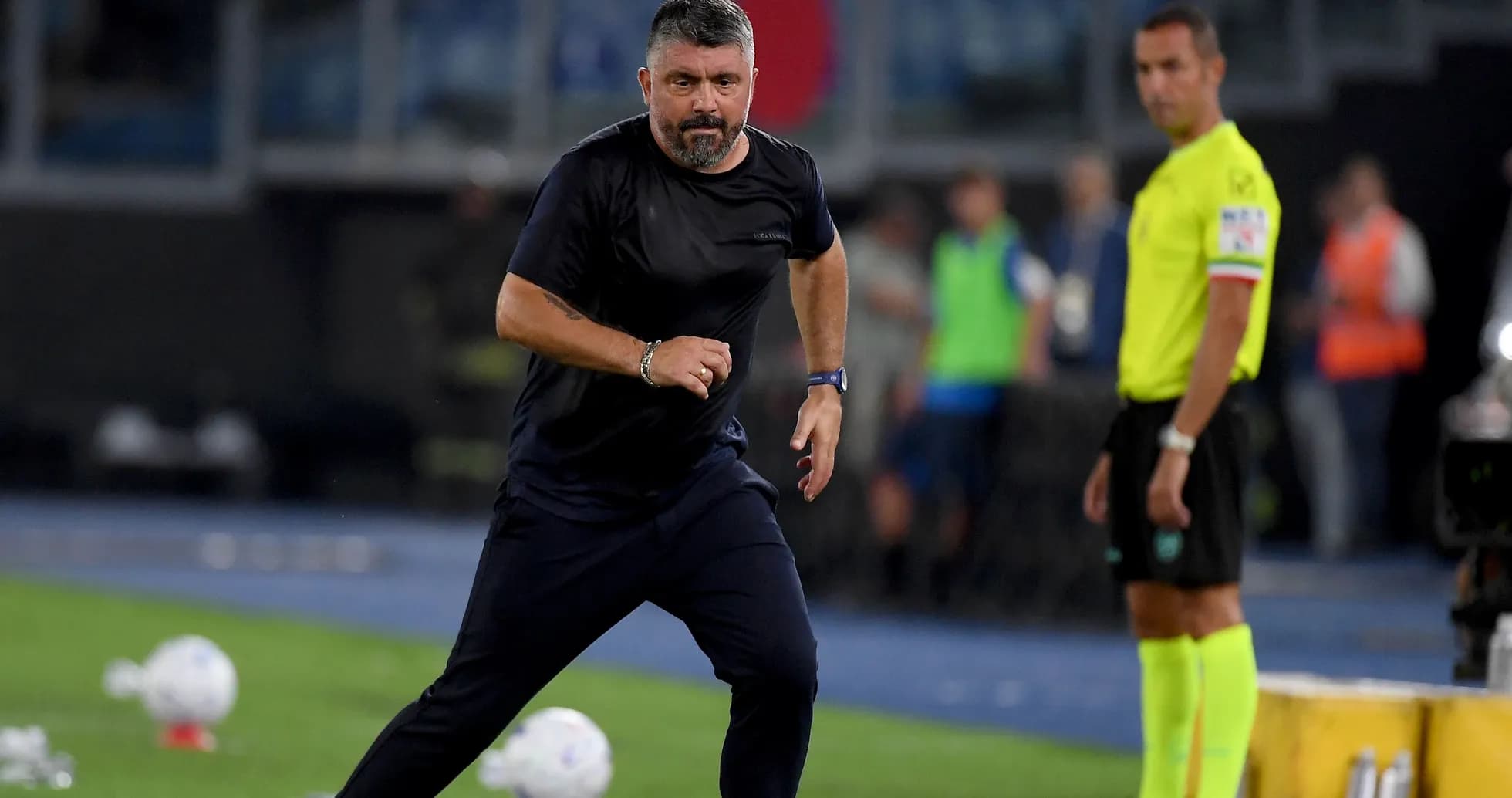
Standing in Bologna after opening his Serie A campaign with Lazio and a tight 1-0 win, the 2006 World Cup winner spoke not about three points, but about a failure that still burns.
A scar that will not heal
Failing to take Italy to the 2026 World Cup, he admitted, has marked him for life.
"I had 10 wonderful months," Gattuso said, reflecting on his brief spell in charge of the Azzurri. "The lads I coached gave me their all. And it's a wound that will remain for as long as I live, because it was a deep wound."
That wound was opened in brutal fashion. A playoff defeat to Bosnia-Herzegovina ended Italy’s hopes and confirmed a third straight absence from the men’s World Cup. Days later, in April, Gattuso walked away from the job.
For a man who built a career on defiance and resistance, this was a blow he could not simply shrug off. The national team had slipped again, and this time the responsibility was his.
Mancini returns to a divided landscape
The Italian Football Federation moved quickly. In July, it turned back to a familiar face: Roberto Mancini.
The coach who delivered Euro 2020 and then oversaw the disastrous failure to qualify for the 2022 World Cup is back for a second stint, after his first spell between 2018 and 2023. The context is harsher now, the margin for error slimmer, but Gattuso refused to stir any debate.
"I'd say he is a great coach with a wealth of experience," he said. "He's a great manager; he's someone who has already won with the national team, and I obviously wish him all the best from the bottom of my heart."
No bitterness. No excuses. Just a public endorsement of the man tasked with repairing what he could not.
A bench that many wanted – and many turned down
Mancini’s return was not the federation’s first idea.
After Gattuso’s resignation, Andrea Pirlo quickly moved to the front of the queue. The former midfield maestro emerged as the leading candidate once high-profile moves for Carlo Ancelotti and Pep Guardiola were rejected.
Pirlo’s path to the Azzurri bench looked clear, then collapsed. The talks broke down over complications tied to an existing sponsorship agreement with a betting company, a commercial snag that proved decisive.
Behind the scenes, another powerful voice had a different vision. Lega Serie A president Ezio Maria Simonelli revealed that the league strongly pushed for Antonio Conte to be given a second spell in charge. Conte, with his intensity and iron grip on dressing rooms, was seen by many in Italian football as the ideal firefighter.
The federation chose a different route. Mancini, already battle-tested with the national team, got the call.
Gattuso moves on, Italy cannot
While the debate over the bench swirled, Gattuso quietly reset his career.
He signed with Lazio in June and has already thrown himself back into the daily grind of club football. The win at Bologna was an important start, a reminder that his methods still work, his teams still compete.
Yet even as he builds something new in Rome, the shadow of that failed World Cup campaign follows him. He knows it. He accepts it. And he carries it.
Italian football, though, does not have the luxury of dwelling.
Simonelli has urged the entire football community to rally behind Mancini as the Azzurri head into a crucial stretch. The next marker comes quickly: a UEFA Nations League clash with Belgium on September 25.
A heavy task for a familiar face
That game will not decide Mancini’s fate, but it will set the tone. He inherits a team bruised by repeated absences from the biggest stage, a fanbase tired of explanations, and a legacy that now includes both European glory and World Cup humiliation.
His mission is clear and unforgiving: restore pride, restore fear in the shirt, restore Italy to the summit of the international game.
Gattuso’s scar will not fade. The question now is whether Mancini can stop a generation of Italian fans from collecting a few more of their own.