The Evolution of European Football: From Maradona to the Champions League
On a warm night in September 1987, Diego Maradona walked into the old European Cup like a gunslinger arriving late to the duel. His Napoli side travelled to La Quinta del Buitre’s Real Madrid for a first-round, first-leg tie that felt far too big for such an early stage. Madrid won 2-0 at the Bernabéu, then held Napoli 1-1 at the San Paolo. Just like that, I Partenopei were out almost before the competition had begun.
Watching from afar, Silvio Berlusconi seethed. One of the glamour acts had gone at the first hurdle, and he had no intention of seeing the same fate befall his own project, AC Milan. The early exit of a heavyweight offended both his sporting ambition and his business instincts. So he started pushing a different vision: a European super league, a closed shop of giants meeting giants, week after week.
That particular scheme never quite materialised, but the tremor it sent through Uefa did the damage. Spooked by the prospect of losing control of the elite, European football’s governors rebranded and rebuilt. Five years later, the Champions League arrived, dressed up as evolution but born from fear.
Even that, of course, didn’t sate the appetite. It never does. First came multiple qualifiers from the richest leagues. Two places, then three, then four, and now, in some cases, five. The door stayed open for the same names, season after season. Now we’ve reached the so‑called Swiss model, the logical endpoint of the Berlusconi doctrine: more games, more guaranteed meetings between the wealthiest clubs, and far less risk of a big name vanishing before the cameras really get going.
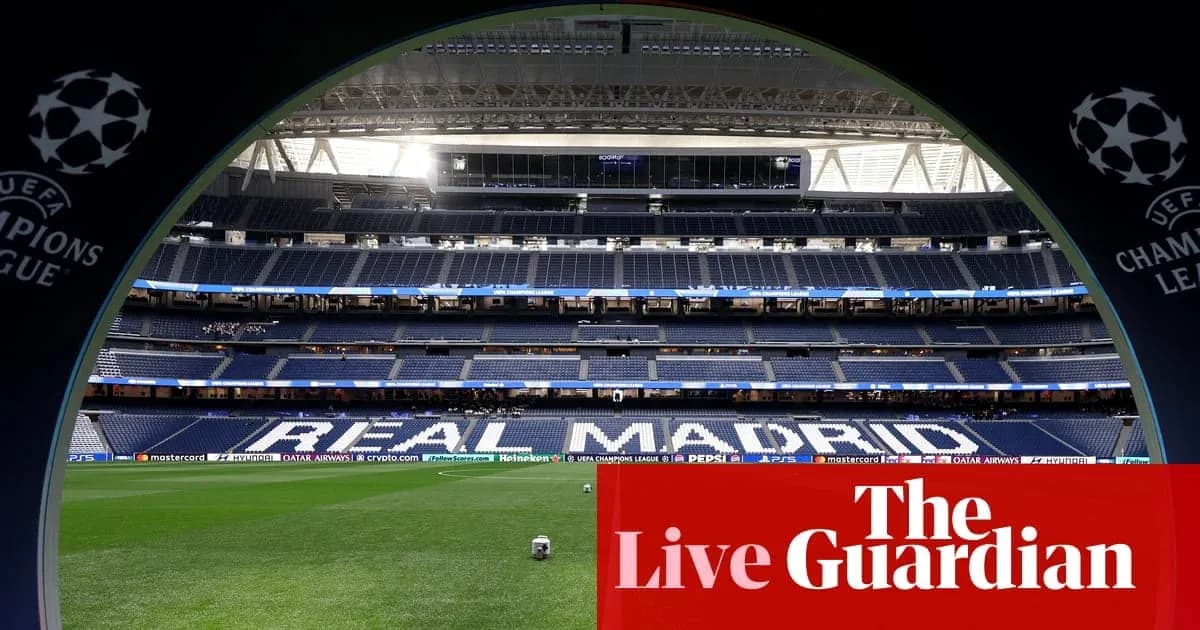
Gabriel Hanot, the journalist who first imagined a pure continental competition, would look at this landscape and weep. The romance of straight knockout ties has been traded for a rolling schedule of blockbuster fixtures. Yet here we are, tuning in all the same, ready to devour Real Madrid v Internazionale as if it were a final.
And why not? Football is too good for its own politics. The game keeps dragging us back. Tonight brings another chapter in the long, winding story of José Mourinho, a man living on what feels like his latest last chance. Can he still summon the old electricity on a stage he once owned? Across from him stands Cristian Chivu, once his disciple, now Inter’s new man on the touchline, trying to revive a club where Mourinho arguably delivered his masterpiece.
The intrigue doesn’t stop there. Dortmund, with the Yellow Wall rumbling at the Westfalen, roll out one of Europe’s most exciting young midfielders in Konstantinos Karetsas, just 18 and already playing as if the ball belongs to him. Villarreal arrive as awkward guests, capable of turning any evening into a tactical puzzle.
While that unfolds, eyes will flick to Porto v Manchester City, where the champions of Europe test their depth and their nerve in a stadium that never shows deference. Lille v Real Betis offers its own lure, a meeting of sides who can swing from the sublime to the chaotic in the space of a few minutes.
What does any of it truly signify in a bloated, reshaped Champions League where early jeopardy has been carefully sanded down? The answer is probably less than it used to. But context melts away when millions of people lean in, waiting for a touch, a tackle, a flash of brilliance that cuts through all the corporate scaffolding.
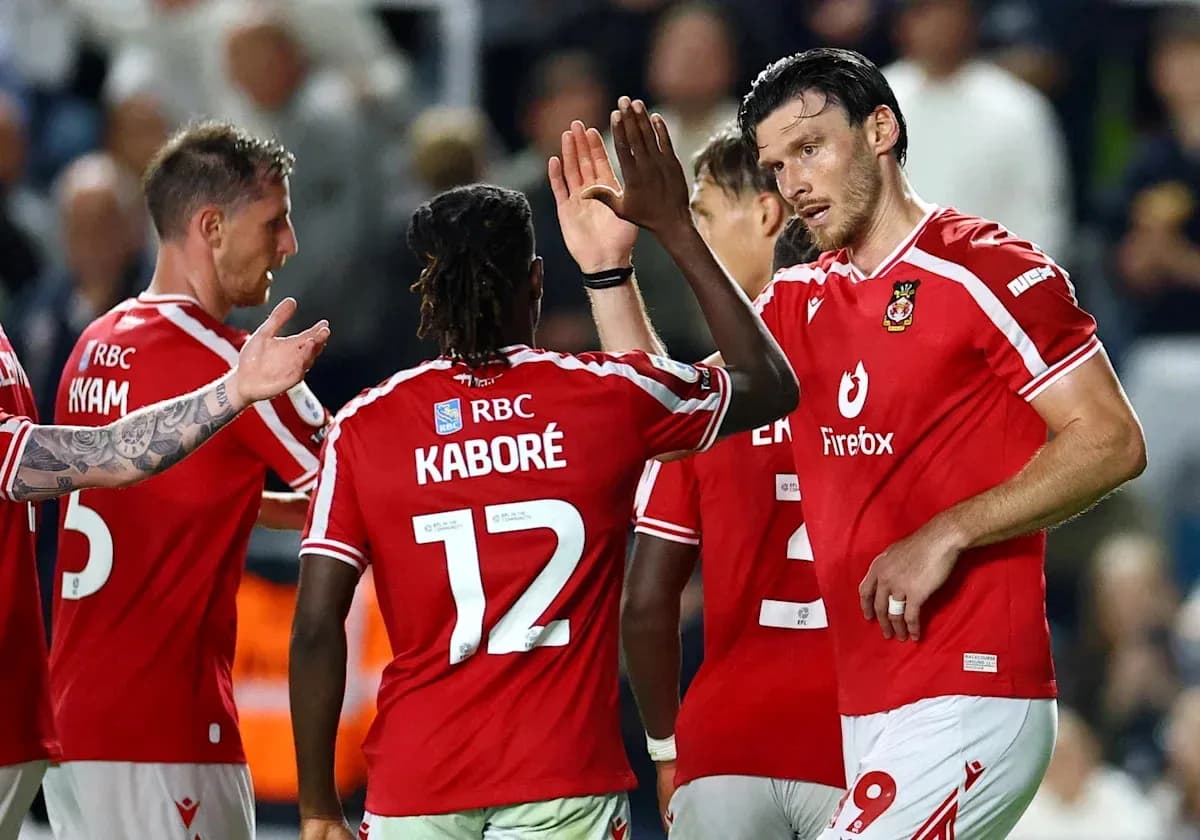
And while Europe’s elite trade blows, the domestic calendar refuses to stand still. The League Cup churns into life across England, a different kind of theatre: rotated XIs, kids chasing a first real taste of senior football, veterans trying to prove they still belong. Kick-offs are scattered at 7.45pm and 8pm BST, with the Champions League ties snapping into gear at 8pm.
So the stage is set: a reengineered continent-wide showpiece, the old cup on a Tuesday and Wednesday night, the League Cup humming away in the background. The system might be skewed towards the powerful, but the ball still rolls, and the stories still write themselves.