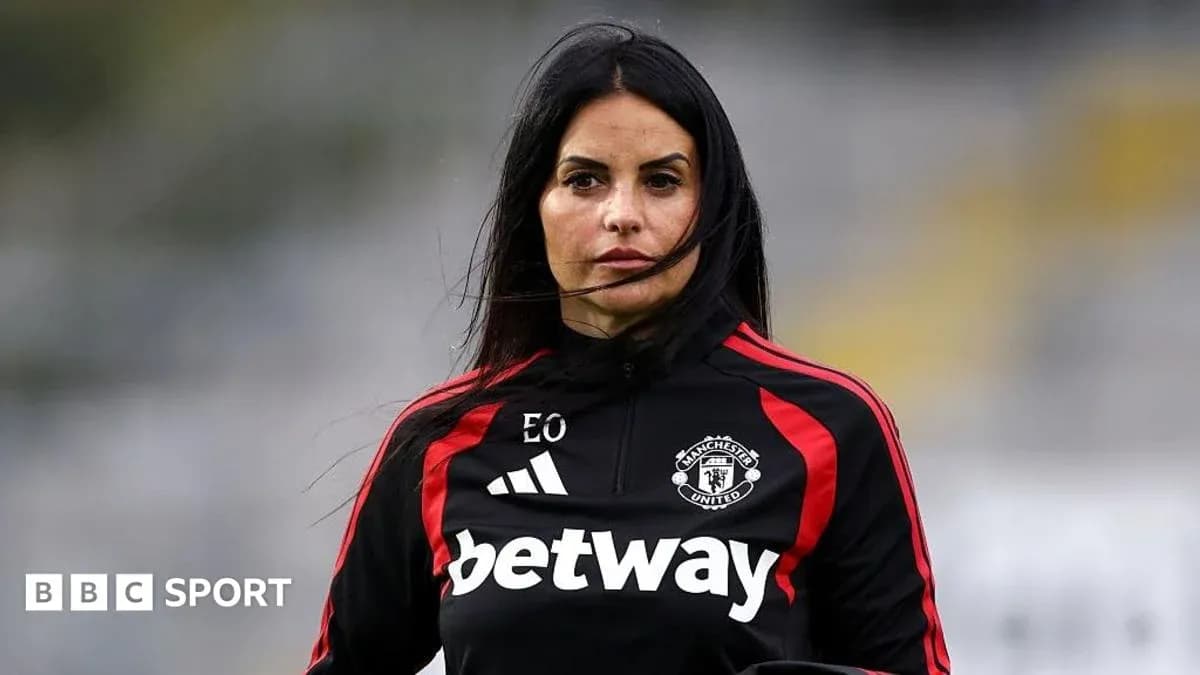
Eva Olid's Manchester United: Facing Early Challenges in the WSL
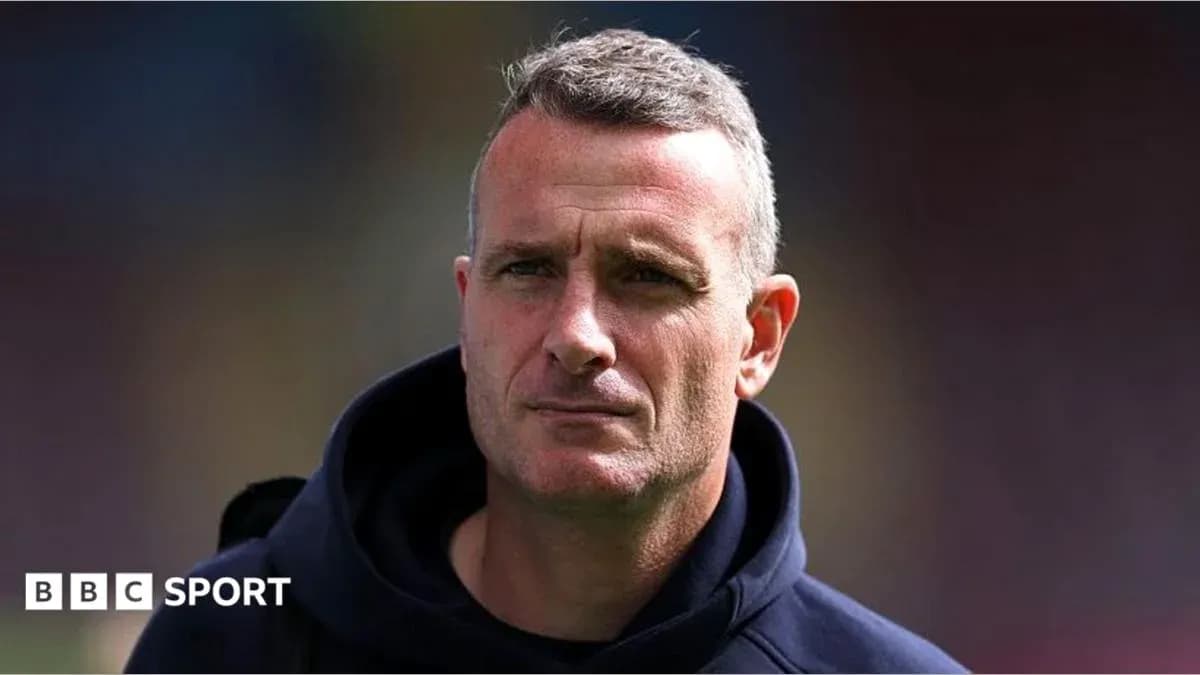
Eva Olid insists the criticism will not knock her off course. It comes with the job, she says. And right now, the job is brutal.
Two games into the Women’s Super League season, Manchester United sit bottom of the table. One goal scored. Seven conceded. A 2-1 defeat at London City Lionesses on opening day, followed by a 5-0 dismantling at home by rivals Chelsea. This is not the start anyone at the club imagined when Olid arrived from Hearts in the summer to replace Marc Skinner.
Yet the 41-year-old Spaniard refuses to flinch.
Under fire, but unmoved
Asked whether the early backlash has been hard to take, Olid did not dodge the reality of the situation.
"Yes and no. That is part of the job. I don't think it affects me," she said. "It is constructive criticism and that is normal. I understand that. The first two performances have not been good.
"We are the first to say we are not happy. The other part is the part I don't understand - people wanting to hurt [us], but they are not going to."
The numbers explain why the spotlight has sharpened. Olid arrived promising a more attacking, possession-based United. So far, the statistics tell the opposite story: just two shots on target in total across their opening two league fixtures, and under 40% possession in both matches.
The style change is clear in theory. On the pitch, it has yet to appear.
Process under pressure
Olid is adamant that a poor opening does not condemn a season.
"People that understand football know that the beginning and how you start does not define how you end the season. We know the direction and what we are doing will give us success in the long term," she said.
"So yeah, I'm good. The only thing that is important for me is the players. I'm worried always that they need to feel good and strong, nothing else."
Bottom of the table, no points, and a single goal to show for their efforts is a stark reality. But Olid frames it as part of the growth curve.
"Yeah, football is like life. You have good moments and difficult moments. I think all the teams in the season have a difficult moment. Ours is the start," she said.
"We are learning as a team to grow because the difficult moments make you grow. Once we've passed this difficult moment and start [to build] momentum, I think we will be so much better."
Her message to the squad has been simple: remember who you are.
"My main message [to the players] has been about them being themselves. They are not showing in the first two matches who they are and what they can do."
Old strengths, new ideas
Olid does not want to rip up everything that worked under Skinner. United reached the Champions League quarter-finals on the back of defensive solidity and structure. That foundation, she insists, must remain.
"They cannot forget what they were good at before. At the same time, little by little, we need to implement the new style," she said.
That tension between continuity and change has been obvious. Players trying to absorb new instructions, new patterns, a new identity. In Olid’s eyes, they are thinking too much and playing too little.
"The players have been so focused and thinking a lot – overthinking maybe – trying to do everything and in the end, they don't do anything because they are not expressing themselves like I know they can."
The plan, then, is evolution rather than revolution. But the league table is unforgiving, and patience is rarely abundant when results collapse this quickly.
Arsenal away – the steepest test yet
If United needed a gentle fixture to reset, they have not got it. On Saturday they walk into Emirates Stadium to face Arsenal, a side unbeaten in 19 WSL matches. United have not won there since November 2022.
It is the kind of game that can either deepen a crisis or jolt a season into life.
Opposite number Renee Slegers recognises the scale of the task Olid has taken on and the speed at which she is expected to transform a Champions League quarter-finalist into something new.
"Olid has had so little time," Slegers said. "As a coach it's a decision you make – are you going to change things straight away or are you going to have another approach where, over time, you look to try to change things progressively?
"That's probably the balance for her. I don't know what her philosophy is but I imagine it's a challenge. I understand the disappointment from a fan perspective - but there has been so little time."
Time, though, is exactly what the fixture list refuses to offer. United walk into north London wounded, under scrutiny, and still trying to find themselves. The question now is simple: does this painful start become the making of Olid’s United, or the story that defines her first season?