
England Uses Palm-Cooling Tech to Combat World Cup Heat
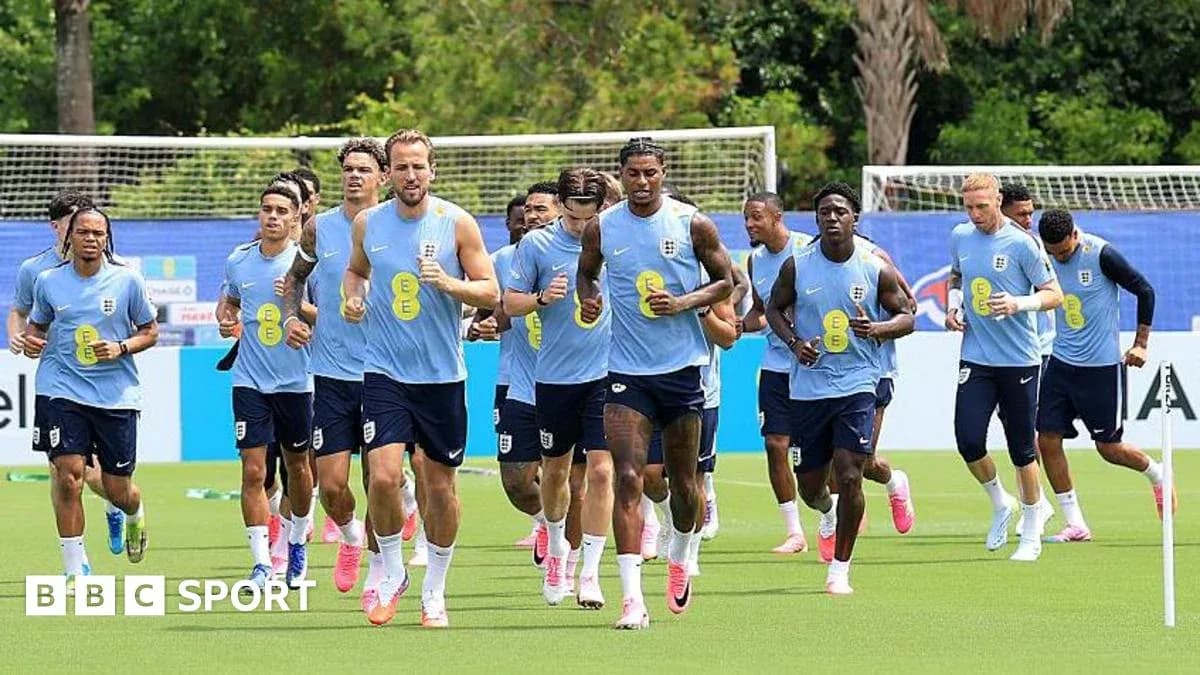
The Florida sun did not take long to introduce itself. By mid-afternoon in West Palm Beach, the temperature had climbed to 32C as England’s players went through their opening training session on American soil, the heat already hinting at the kind of test that awaits them at the World Cup.
This time, they are armed with more than ice towels and shade.
England will use high-tech palm‑cooling devices during their stay in the United States, a sports science tool increasingly common among elite athletes and already in use at clubs such as Manchester United. The plan is simple: keep the players’ core temperatures under control, keep performance levels high when the conditions start to bite.
Sports scientists expect at least a third of the matches at this World Cup to be played in temperatures above 26C. That figure alone has shaped England’s preparation. The staff know that in that kind of heat, recovery between sprints, between phases of play, even between halves, can decide games.
The technology targets one of the body’s key heat‑exchange areas: the palms. Research indicates that cooling the hands can rapidly lower core body temperature, buying players precious reserves of energy when the match turns frantic. The devices will be used in training and during the scheduled water breaks in World Cup fixtures, a small but deliberate intervention in the margins where tournaments are often won and lost.
Jordan Henderson's Insights
Jordan Henderson underlined the theme of adaptation. Asked about the importance of acclimatising, he described this opening week in Florida as a period to “build capacity to the conditions”, stressing that the upcoming warm‑up fixtures would sharpen that process. The Brentford midfielder also highlighted the “team behind the team” and their “top level research” into cool‑down and recovery methods, acknowledging the work being done away from the cameras.
“Hopefully that can give us a little edge when we get into the tournament,” he said, summing up the gamble: science as a competitive weapon.
Upcoming Fixtures
The schedule leaves little room for easing in. England face New Zealand on Saturday, 6 June (21:00 BST) and Costa Rica on Wednesday, 10 June (21:00), friendlies that double as stress tests for both tactics and thermoregulation.
Then comes the real thing. Thomas Tuchel’s side open their World Cup campaign against Croatia on Wednesday, 17 June (21:00), before group games against Ghana on 23 June (21:00) and Panama on 27 June (22:00).
Opponents, travel, kick-off times, climate – all variables England cannot fully control. How they manage their own bodies in the heat, they can.




