Denis Omedi Joins Gor Mahia: Aiming for Success in Kenyan Football
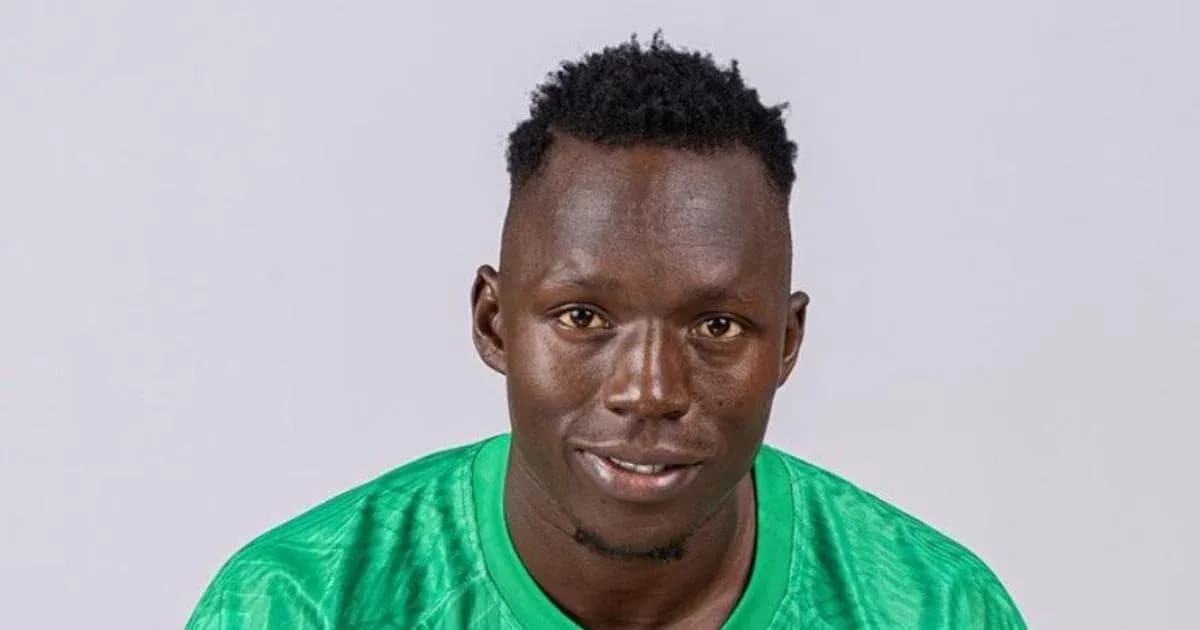
Denis Omedi is not in Nairobi to talk. He is here to work.
The 32-year-old Ugandan striker has slipped quietly into a Gor Mahia dressing room that knows all about pressure, expectation and the weight of 22 league titles. He arrives from APR FC with a solid East African résumé, having previously led the line for Kitara FC and Booma FC, but this is a different stage, a different scrutiny.
He has signed a two-year deal ahead of the 2026/27 campaign, a season in which Gor Mahia are again expected to chase the Kenya Premier League crown. The club wants more firepower. Omedi wants a legacy.
A warm welcome, a quick fit
If there are any nerves, he hides them well. Omedi talks about comfort, about how quickly this new chapter has started to feel familiar.
“Generally, I can say Kenya is so welcoming. The fans, the players, the technical team, led by the head coach, and the management; everything is okay, and everyone is welcoming. The environment is okay, and I think it's supposed to be an environment worth working in,” he said.
It is not just a polite line. He keeps circling back to the atmosphere around the club: the supporters who have embraced him, the teammates easing him into the group, the technical bench and management creating what he describes as the right conditions to perform.
That structure, he says, has allowed him to focus on the essentials: adapting to the pace and style of Kenyan football, building on-field chemistry, and preparing for the demands that come with wearing one of the country’s most scrutinised shirts.
He is clear on one thing: Gor Mahia, in his eyes, offer a platform. A place where he can grow, contribute and, crucially, prove himself in a new league.
Targets kept behind closed doors
Ask him what he wants in numbers – goals, assists, trophies – and the door shuts.
Omedi admits he has set himself ambitious targets for his first season in green and white, but he has no intention of sharing them. Not yet.
“The team also has their own personal targets. But also, as an individual, I have my own personal targets that I have set for myself, and I basically know targets; if you say them out, they don't come to pass,” he said.
So he keeps them private, almost protective of them. Those goals, he explains, are what drive him through training sessions and matches. Some of them, he concedes, are big enough to scare him. That is the point.
“So they are my own, and they are the ones that keep me motivated, and I always make sure I work so hard because I know sometimes the targets I have set scare me as well. So I know it demands a lot from me, and I believe that if I am doing it for myself, I believe that it will also benefit the team.”
The message is simple: set the bar high, chase it relentlessly, and the team will feel the benefit.
Individual hunger tied to club ambition
Omedi is careful to link his own ambitions to the broader picture. Gor Mahia have their internal benchmarks for the season; he has his. The two, he insists, are aligned.
He talks about discipline, standards, and the need to stay committed from the first whistle of the campaign to the last. He knows a forward at Gor Mahia is judged ruthlessly – by the curve of the league table and by the noise in the stands.
Yet he sounds ready for that scrutiny. Ready for the pressure that comes with a club that measures success in silverware, not in kind words.
The targets might remain a secret. The work to hit them will not.