Curtis Jones Leaves Liverpool: A Deeper Identity Crisis
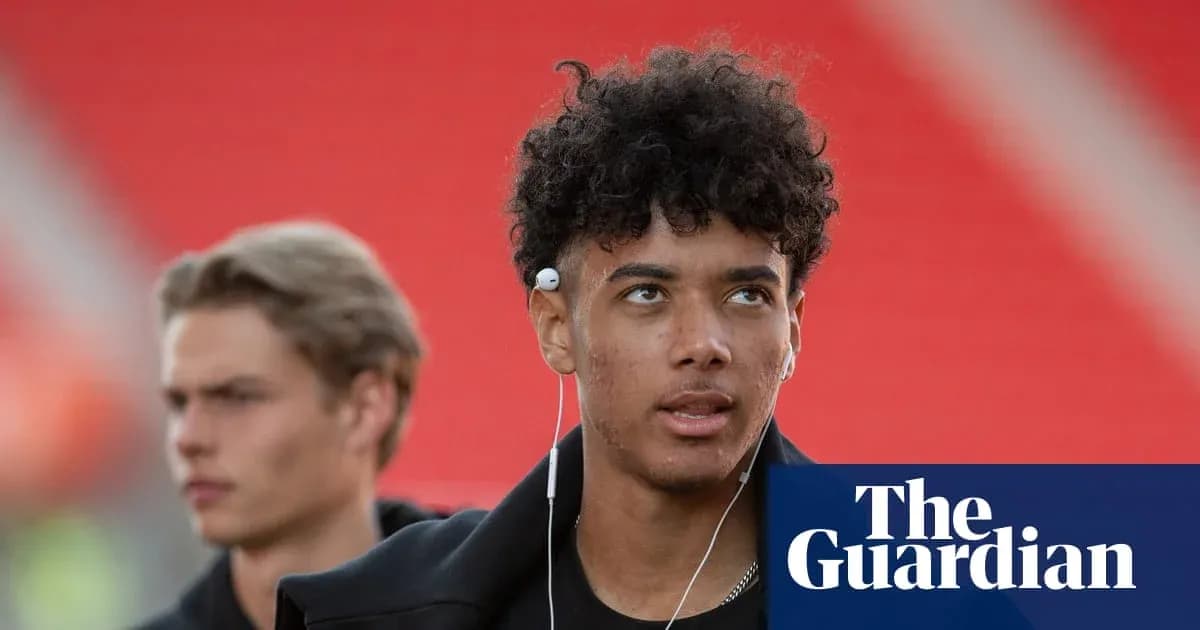
Curtis Jones has gone. Inter have their man, Liverpool have their money, and Anfield has a hole that runs far deeper than the one in midfield.
When the deal finally went through on August 21, nobody was really shocked. The move had been coming for months. Jones was in the final year of his contract, had no interest in signing a new one and, crucially, no longer saw a future for himself at the club he grew up loving.
He wanted to play in midfield, not as an emergency right-back. Arne Slot’s sacking at the end of last season didn’t change that. Under Andoni Iraola, there was no guarantee of regular minutes in his preferred role. For a 25-year-old England international, that made the decision simple. He had to go.
The reaction centred on two things: the fee and the fear.
Liverpool banked just £25 million for a homegrown international in the same summer that relegated West Ham sold Mateus Fernandes to Spurs for more than three times that figure. It looked light. It felt light. And it dropped into a summer in which Iraola had already made it very clear he wanted more midfielders, not fewer.
The worry was obvious: sell Jones, fail to replace him, and walk into the season lighter in the very area the new coach considered most important.
Yet Iraola hadn’t wanted to lose him at all.
He had spoken warmly about Jones, stressing not just his ability but his roots. “It’s very important that he’s Scouse, that he’s from here,” he said in July, a line that resonated far beyond a standard endorsement of a squad player.
For Iraola, this is personal. A proud Basque who spent most of his playing career at Athletic Club, he understands the power of local blood in a team’s veins. During Liverpool’s pre-season tour of the United States, he drew the comparison himself.
“I see a lot of similarities [between Liverpool and Bilbao],” he told reporters. “This sense of belonging, of being a little bit different, and this connection, also, with players from the academy.”
Which is why the reality now feels so jarring.
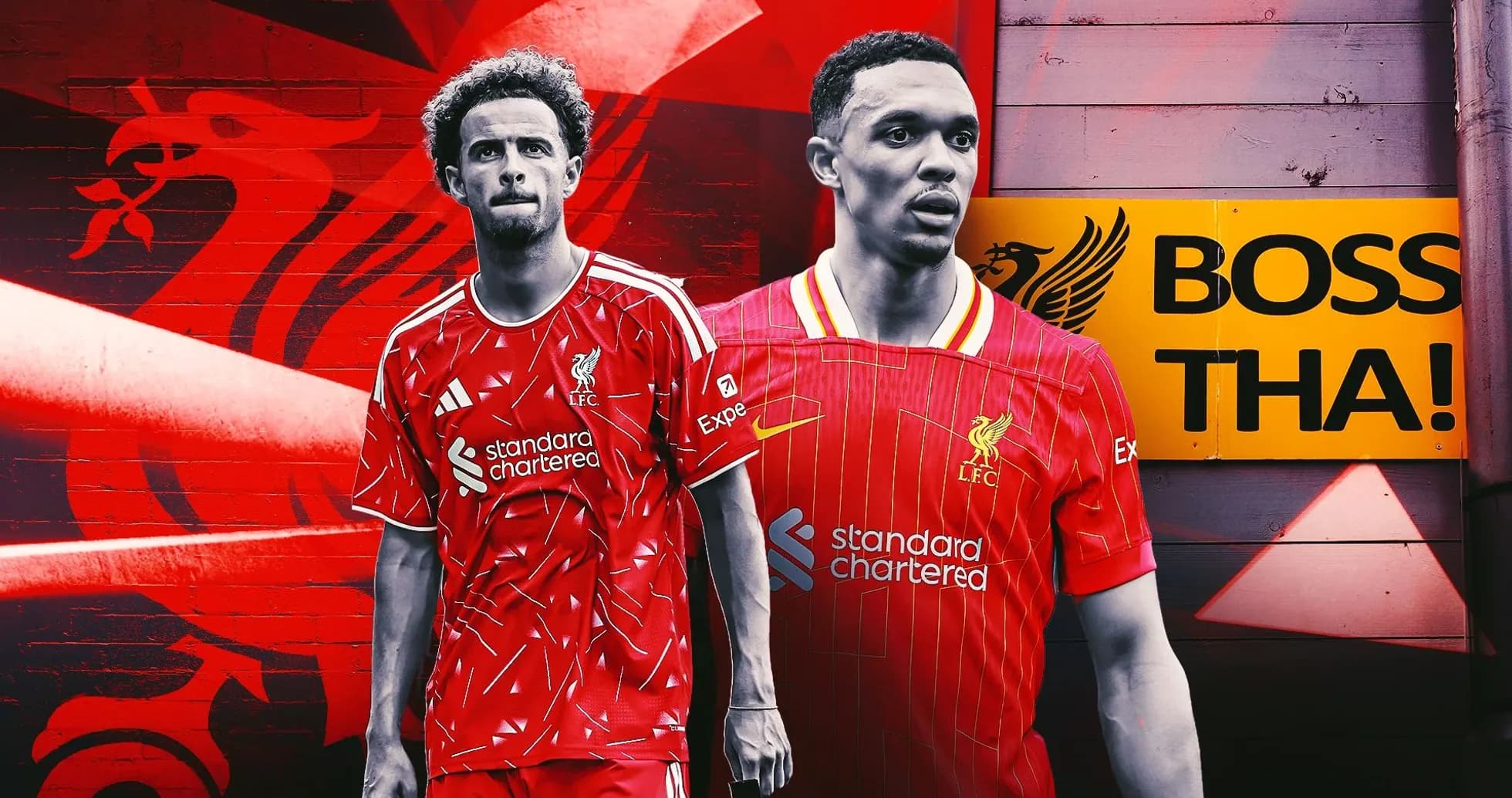
With Jones gone, Liverpool are without a single Scouser in their senior squad for the first time in the modern era. No local lad in the dressing room. No player who grew up with the club on his doorstep and Anfield on his mind every day of his childhood.
This didn’t come out of nowhere. Concerns over the club’s identity had been simmering long before Jones packed his bags for Milan.
Fenway Sports Group have, by any financial measure, transformed Liverpool. They took a club teetering on the brink of bankruptcy in 2010 and turned it into one of the most profitable football operations on the planet. The stadium is bigger, the training ground gleams, the commercial deals roll in.
But money has its own cost.
Supporters’ groups such as Spirit of Shankly have railed against rising ticket prices, arguing that the very people who built the club’s reputation are being priced out. In an open letter earlier this year, SOS pointed out that matchday income is only a small slice of overall revenue, yet it’s coming “at the expense of affordability, loyalty and trust”.
Then came last month’s news that 1892 Holdings, a consortium backed by Amazon founder Jeff Bezos, had acquired a 38 percent stake and could complete a full takeover within 12 months. For many, that felt like another step away from the club’s roots and towards something shinier, richer – and less recognisable.
Kieran Maguire of ‘The Price of Football Podcast’ summed up the mood to GOAL. Liverpool, he said, is “a very proud working-class city” and the long-standing fear of marginalising the traditional fanbase has only grown. More corporate tickets, more tourists, higher prices. Less of what makes Anfield Anfield.
“You don't want the continued 'Disney-fication' of something that is part of the history, heritage and identity of the city,” Maguire warned.
Strip away the local players and that anxiety only intensifies. The bond between pitch and stands has always run through the academy and the streets around it. Now, that thread looks dangerously thin.
Steven Gerrard, a man who personifies that connection, didn’t hide his opposition to selling Jones. His reasoning was blunt: Jones is a Scouser.
“I just think that, naturally, being around Liverpool, growing up in the city, we understand the demands of the club, the style, what the fans want,” Gerrard told BFM Radio earlier this summer. “It’s embedded in us because we know the city inside out.”
For Gerrard, the academy is not a luxury; it’s a necessity. He reeled off the names that shaped Liverpool’s modern history: Michael Owen, Jamie Carragher, Robbie Fowler, Steve McManaman, Trent Alexander-Arnold, himself. Even those who never became undisputed stars – Jay Spearing, Stephen Warnock – came into the side with a ready-made understanding of what the shirt stands for.
Yet even Carragher, another standard-bearer for that tradition, has started to question what Liverpool are becoming.
“What we did last summer, I didn't really like it,” he told Football Ramble. “It felt like a Real Madrid summer – Florian Wirtz, Alexander Isak, we're gonna get Hugo Ekitike, another striker, for £80m even though we've got one for £125m.”
This year, the obsession has been Bradley Barcola. Big names, big fees, big statements. Carragher looked back at the early Jürgen Klopp years with something close to nostalgia: the smart buys, the undervalued talents, the sense that Liverpool were out-thinking the market rather than simply out-spending most of it.
“I almost want to go back to that,” he admitted.
He’s not alone. The club’s four most expensive signings have all arrived in the past two summers. The transfer strategy has shifted towards blockbuster deals, and with every marquee arrival the path from Kirkby to the first team grows steeper.
The academy hasn’t vanished. Rio Ngumoha, technically a former Liverpool youth player, has returned from Chelsea. Trey Nyoni, who sat unused on the bench in the Carabao Cup final win over Chelsea that left Klopp so proud, is expected to feature more this season. Lewis Koumas Danns, once fully fit, could also re-enter the frame, especially with Isak the only orthodox No.9 and Ekitike not expected back until 2027.
Those are rays of light, but they shine against a different backdrop now.
Liverpool have just landed Barcola from Paris Saint-Germain. When they walk out at Portman Road on Friday night to face Ipswich Town, Iraola could field three players who each cost more than £100m. He will not have a single local player to call on.
Klopp always knew how fragile that balance was. His Carabao Cup triumph, stitched together by kids and character, already feels like a relic from another age. He called it unique. He was right.
It’s hard enough to win trophies with youngsters. It’s even harder when the system around them is geared towards superstars, instant impact and global branding. Somewhere in that rush, the value of a Scouse heartbeat has slipped down the list of priorities.
Liverpool will keep winning games. They might keep winning trophies. The stadium will stay full, the revenue charts will look healthy, the transfer headlines will keep coming.
But without a Scouser on the pitch, and with ownership drifting ever further from the streets that built the club, one question hangs over Anfield now: how much of a soul can you afford to lose before you stop recognising yourself?