Champions League Nightmares and Transfer Market Myths
Omar Marmoush’s supposed “immediate Tottenham blow” belongs in the same fantasy drawer as Carlos Baleba’s magical route to Manchester United. It’s a number on a shirt. Nothing more. The rest is noise.
Champions League “nightmares” for everyone
You’d think, from a quick scan of the headlines, that half of Europe has been condemned to footballing purgatory.
“Arsenal’s Champions League draw in full as Gunners handed nightmare fixtures.”
“Man City handed nightmare Champions League draw with Arsenal also given tricky fixtures as Man United face old foes on return to competition – and Jose’s back at the Bridge!”
“Champions League group phase predicted by supercomputer with Man Utd having a nightmare after horror draw.”
Nightmares everywhere. Horror shows all round. Apparently, facing good teams in the Champions League is now a shocking twist rather than the basic premise of the competition.
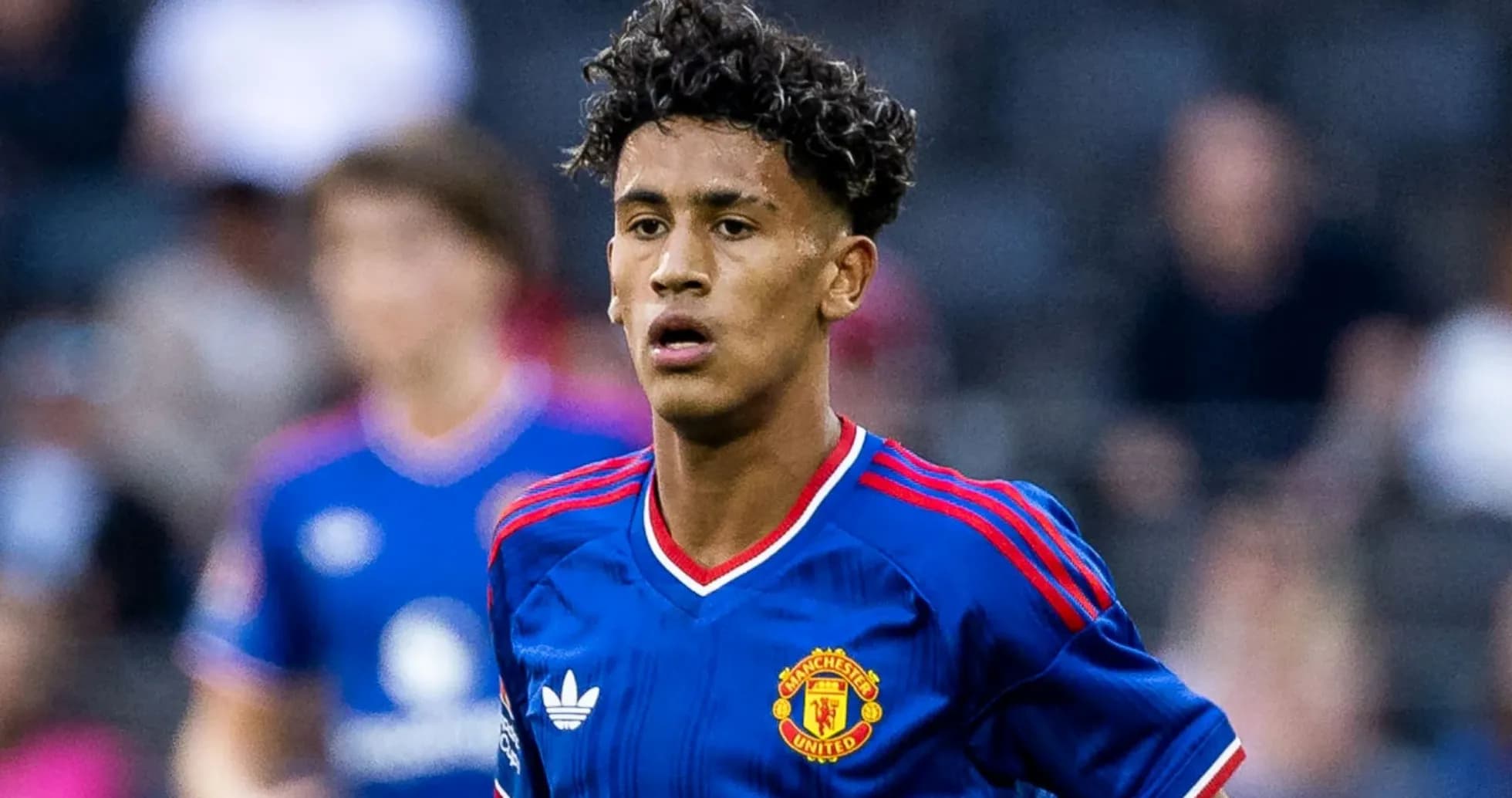
The “horror” for Manchester United, according to one such prediction, is that Michael Carrick’s side are tipped to finish ninth in the league phase. The “boffins and brainiacs” at Football Ranked have run their model and decided United will agonisingly miss out on the top eight.
So United would instead be the highest-ranked seeded team in the knockout play-offs, facing the lowest-ranked unseeded side. Terrifying stuff. Truly chilling.
Liverpool, stealth and selective memory
Jeremy Cross, in the Daily Mirror, lands on a fair overall point: Liverpool, once the model of transfer-market clarity compared to Manchester United, have drifted towards the same chaotic territory.
But then comes the mythology.
“In that same period, Liverpool conducted their own business with ruthless stealth. Big targets were kept under the radar, until a deal was so close to being completed it would be made public. This happened with the likes of Virgil Van Dijk, Alexis Mac Allister, Alisson and Luis Diaz, to name but a few.”
This is where the story unravels. Liverpool’s pursuit of Virgil van Dijk was so “under the radar” that Southampton reported them to the Premier League for an illegal approach, prompting a public apology from Anfield. That is not ruthless stealth. That is getting caught.
The idea of Liverpool as silent assassins in the market simply doesn’t survive contact with the Van Dijk saga.
Barcola, “desperation” and reality
Then there’s Bradley Barcola.
“Negotiations are taking place with PSG about a deal for Bradley Barcola, with a deal likely to come close to the fee paid to Newcastle for Isak. Under normal circumstances, such a move would leave supporters feeling overwhelmed excitement. The problem is, Liverpool have turned to Barcola in desperation less than a week before the transfer window closes, having pulled out of the bidding for Brighton’s Yankuba Minteh.”
Desperation? Liverpool have been circling Barcola all summer. This isn’t a panicked late dash; it’s the long, grinding process of trying to prise a £120m talent out of Paris. That is what elite transfers look like now.
Cross, of all people, should know how messy these sagas get. His attempts to follow every twist in Elliot Anderson’s move ended up in knots. Hundreds of them.
The sacred shirt number
The obsession with numbers on backs rolls on.
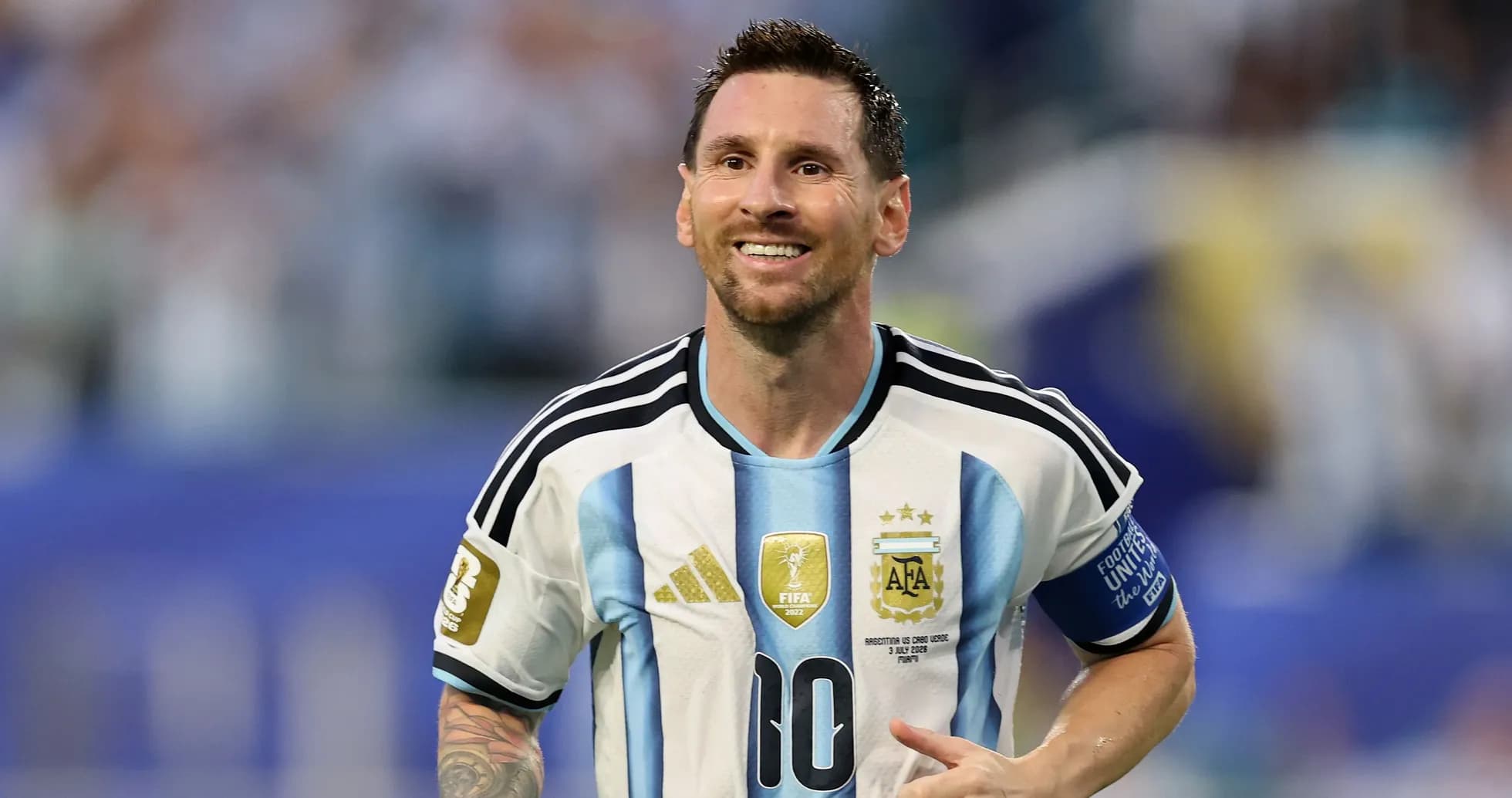
“Bradley Barcola set to wear bizarre unused shirt number at Liverpool.”
“Bradley Barcola can wear dream shirt number at Liverpool after PSG transfer agreement reached.”
The same situation, sold two ways. One outlet calls it “bizarre”, another frames it as a “dream”. The only thing that’s clear is that shirt numbers remain football’s most over-inflated non-issue.
And then we arrive at Omar Marmoush.
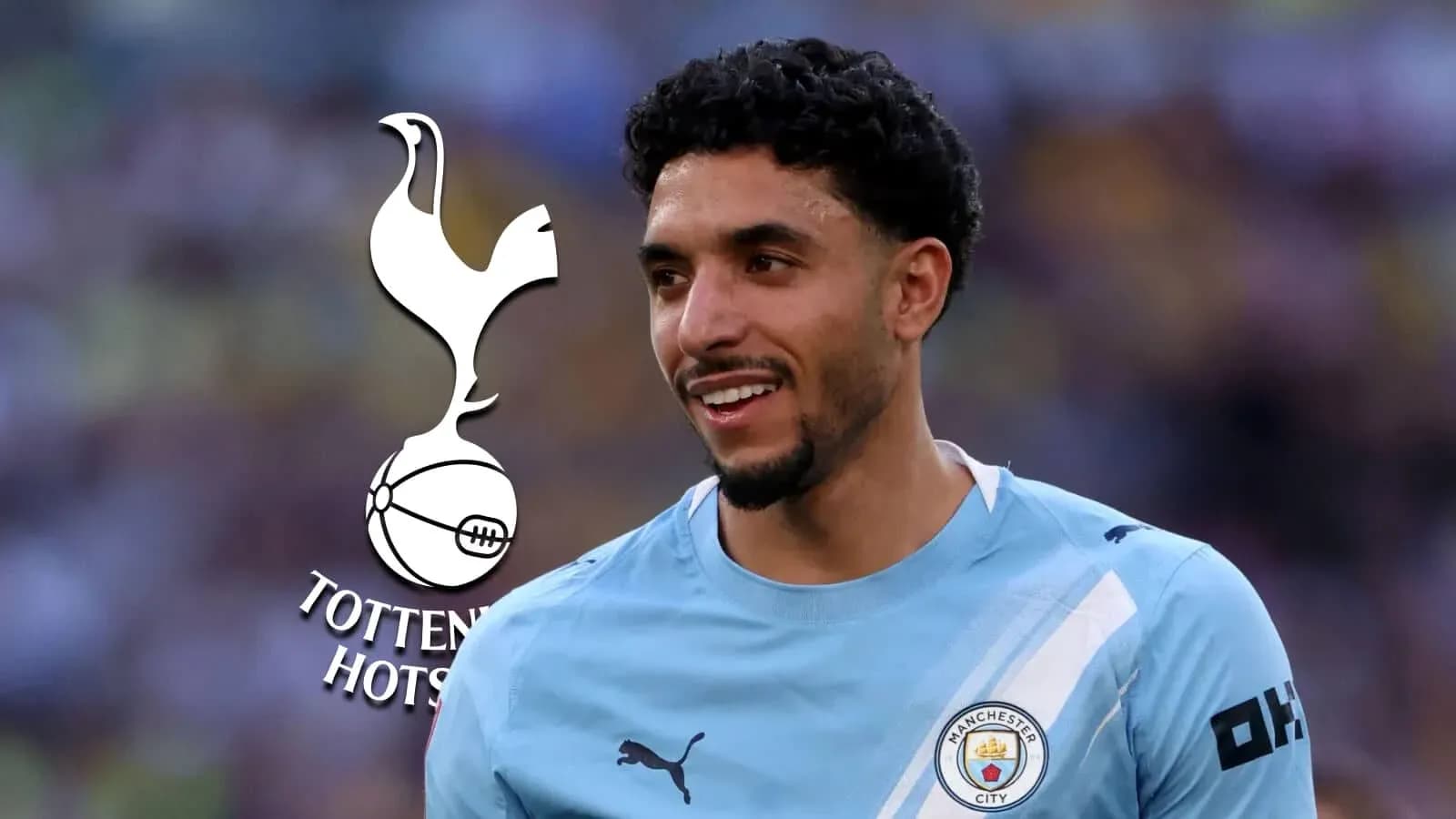
“Omar Marmoush to suffer immediate Tottenham blow after Man City £60m transfer breakthrough.”
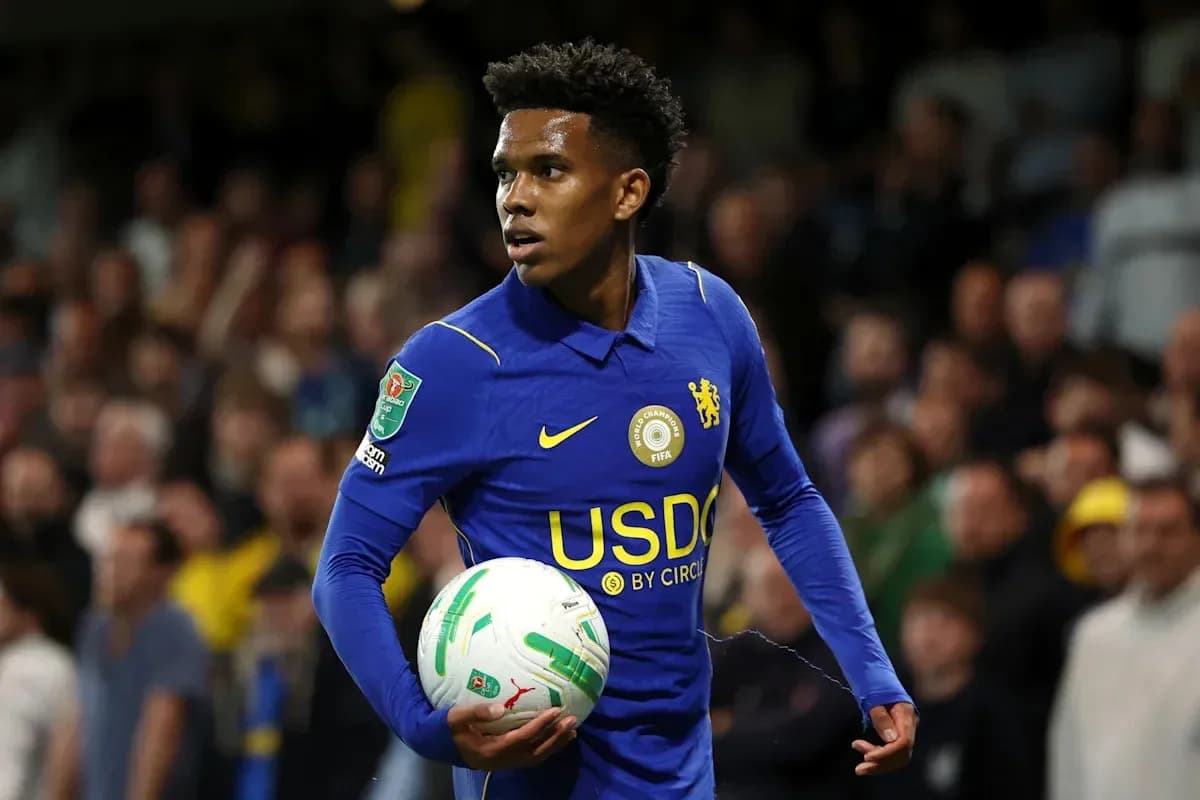
Veterans of the Daily Express website will recognise the formula. Carlos Baleba supposedly suffered the same “immediate blow” when he moved to Manchester United. The horror? Not wages. Not minutes. Not tactics.
A digit.
“Moving to Tottenham will give Marmoush the opportunity to play more regularly, having only made eight Premier League starts for City last season. However, he won’t have everything his own way when he arrives in the capital. That’s because he will need to pick a different shirt number, with his preferred No 7 already occupied by Xavi Simons.”
So Marmoush might finally get regular football at a major Premier League club, but the tragedy is he can’t wear 7. If that’s an “immediate blow”, then the word “blow” has lost all meaning.
He could always go back to Manchester City, of course. Barely play, but keep the number. What a choice.
Ronaldo, United and the stall nobody visited
Samuel Luckhurst is right about one thing: Manchester United’s inability to sell first-team players this summer is glaring. Elite clubs move players on. United cling to them.
But the conclusion he draws doesn’t quite land.
“Even one of the greatest, Cristiano Ronaldo, was burnt by his association with United. When Ronaldo effectively filed for divorce with his November 2022 interview with the sycophantic Piers Morgan, Morgan said: ‘If it was just about money, you’d be in Saudi Arabia.’”
Saudi was the only place to offer Ronaldo a home. Even he did not have shoppers flocking to United’s stall.
Ronaldo didn’t struggle for buyers because United’s “stall” looked unappealing. He struggled because, by then, he was a 37-year-old forward on enormous wages, behaving like a petulant, self-absorbed star whose output no longer justified the circus.
Of course there was no queue. Of course Saudi Arabia was the only serious option. That has nothing to do with United’s current failure to shift Joshua Zirkzee and everything to do with Ronaldo’s own decline and demands.
If clubs wouldn’t touch “even” him, what does that say about the market United are trying to sell into now?