Celtic's Collapse: Callum McGregor Calls Out Team's Lack of Cohesion
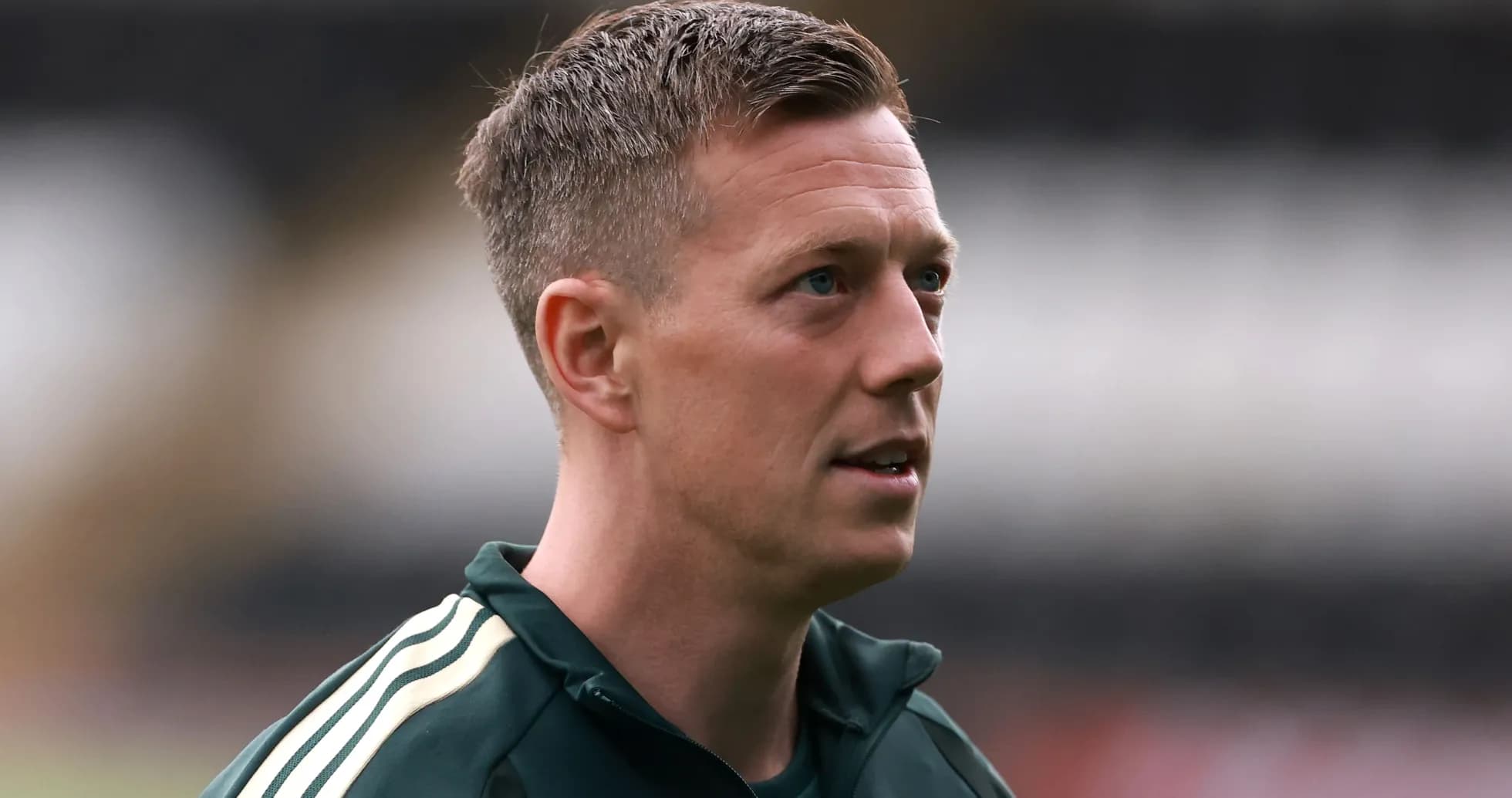
Callum McGregor did not bother with diplomacy. Not after that.
Celtic were taken apart at Ibrox, beaten by three and beaten in just about every department, and their captain walked off the pitch sounding less like a dressing-room diplomat and more like a man issuing a warning.
“It wasn't us,” he told Sky Sports, the words landing as heavily as any Rangers challenge. “The difference between the two sides was you saw a team and then you saw a team of individuals as well.”
In one line, he cut to the heart of it. Rangers looked like a unit. Celtic, in his eyes, looked like strangers.
A team of individuals
McGregor’s anger centred on work rate and attitude without the ball. He saw players who wanted to play only when it suited them – when the ball was at their feet.
“We looked like a team of individuals who like to do our own thing and play when we got the ball,” he said, “not necessarily run when you don't have the ball, [which is] the thing you can't do when you come here.”
That is the accusation that stings most. Not a lack of quality. A lack of graft.
At Ibrox, Celtic’s shape fell apart, their press disintegrated, and their defensive structure barely existed. McGregor, usually the calm heartbeat, sounded exasperated as he laid bare the basics his side had abandoned.
“You can't defend with six players, it's impossible,” he added, a blunt assessment of a team that left its back line and midfield exposed time and again.
Scars from Europe
This was not an isolated collapse. The wounds from Europe are still fresh.
Celtic had already suffered a brutal Champions League qualifying exit, throwing away a 3-0 first-leg lead against LASK. What should have been a routine passage turned into a nightmare: a 5-1 defeat on the night, 5-4 on aggregate, and a glaring question mark over the team’s resilience.
That European implosion framed everything at Ibrox. When Rangers’ goals started to fly in, the fear of another humiliation crept in. McGregor admitted that damage limitation became a priority.
“[Y]ou don't want fours and fives for sure,” he said. “As soon as the goals go in, then I'm saying to Cameron Carter-Vickers and Liam Scales, no more goals.”
For a Celtic captain to be thinking like that, in a derby, tells its own story. Pride had already taken a hit in Europe. It could not take another battering across the city.
No time to sulk
The schedule offers no sympathy. Celtic do not have the luxury of licking their wounds.
Ferencvaros come to Glasgow on Thursday in the Europa League, a game that suddenly feels heavier than a standard group fixture. It is a test of character as much as quality, a chance to show that the criticism has cut deep enough to provoke a reaction.
Then comes the immediate sequel: Rangers again, this time at Celtic Park in the Scottish Premiership on Sunday. Same rival, different venue, no hiding place.
McGregor has drawn the line. He has called out the lack of cohesion, questioned the work without the ball, and demanded collective responsibility.
The response, or lack of it, will tell everyone exactly what kind of team Celtic really are.