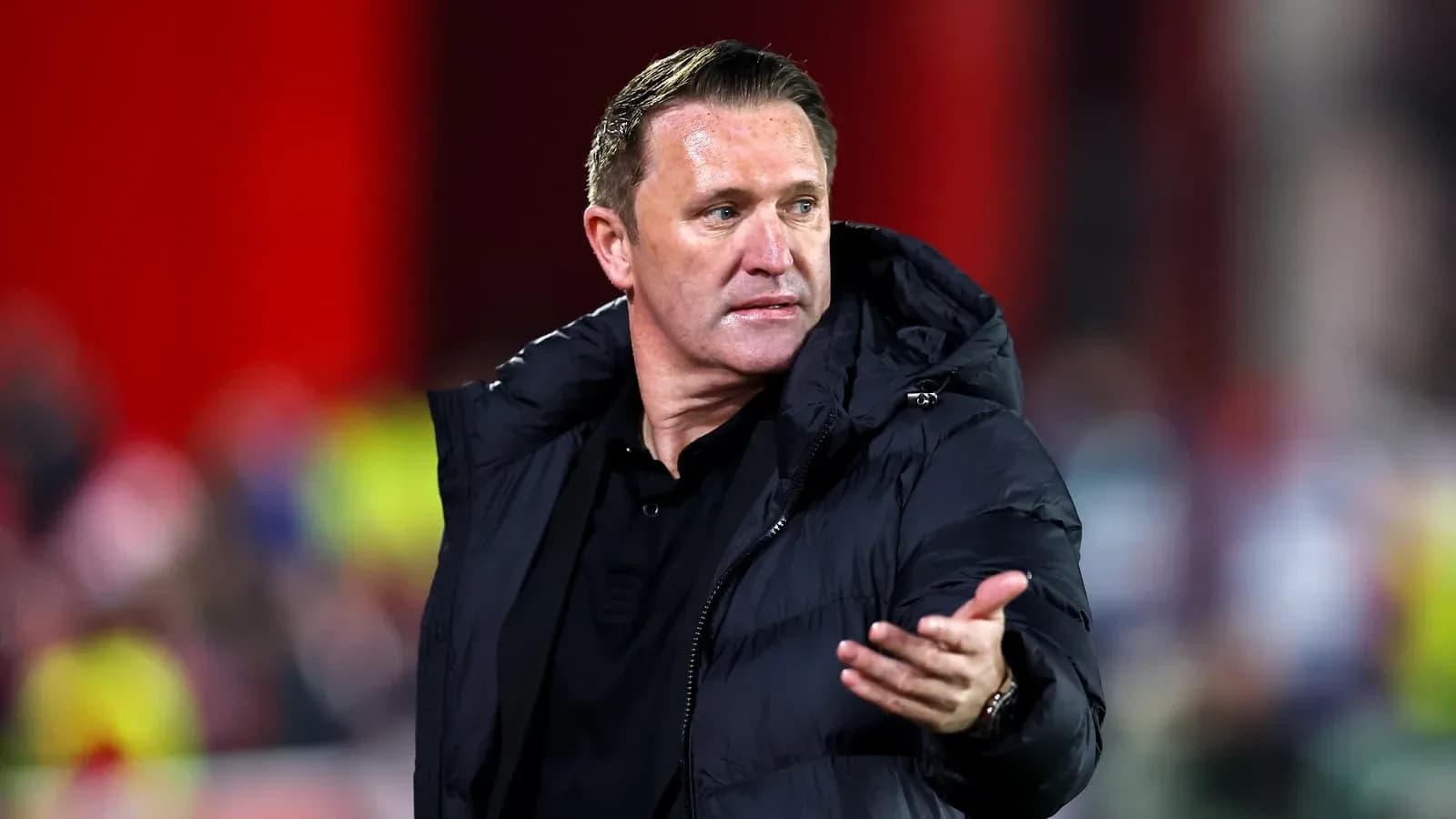
Celtic Support Divided Over Robbie Keane Amid Gaza Controversy
The debate over Celtic’s next manager has burst out of the back pages and onto the streets around Celtic Park – and Robbie Keane now sits right at the centre of a storm that has nothing to do with tactics or trophies.
Dozens of supporters’ clubs have publicly opposed the potential appointment of the former Republic of Ireland striker, citing his decision to manage Maccabi Tel Aviv during Israel’s war in Gaza. What began as graffiti and banners has hardened into an organised, coordinated message aimed squarely at the Celtic board.
From fan favourite to flashpoint
Keane is no stranger to Celtic Park. His short loan spell in 2010 was prolific and wildly popular, and his managerial CV now carries league titles from Israel and Hungary. On football grounds alone, his name being among the favourites for the job – with reports of ongoing talks with principal shareholder Dermot Desmond – would normally be enough to excite a support demanding success at home and in Europe.
This is different.
His tenure at Maccabi Tel Aviv, and specifically his choice to remain in Israel after the conflict in Gaza erupted, has turned a section of the Celtic support firmly against the idea of him leading the club.
The backlash has been visible. Graffiti and banners rejecting the prospect of Keane’s appointment have appeared outside Celtic Park in recent days. Online, a group styling itself “Celtic Fans for the Liberation of Palestine” released a statement setting out its opposition. That message has now been amplified and formalised.
67 groups, one message
The North Curve Celtic account on X published a list of 67 groups that it says have endorsed the statement. It is not a fringe collection. The roll call includes the Green Brigade and Bhoys Celtic ultras, prominent fan media outlets such as the Cynic and eTims, and long-established supporters’ clubs including Glasgow University Celtic Supporters Club (CSC) and Craigneuk Tommy Gemmell CSC.
The statement roots its stance in the club’s self-image and history.
“Celtic supporters have a long and proud history of solidarity with the Palestinian people,” it reads, before turning directly to Keane’s spell at Maccabi Tel Aviv. “For us, Robbie Keane's decision to manage Maccabi Tel Aviv during the genocide in Gaza is impossible to ignore.”
The language is stark, uncompromising. The signatories describe it as “unconscionable” to choose to manage in Israel “while, less than 40 miles away, the same country was using indiscriminate weapons of mass murder against defenceless people”.
The statement then reaches back into Celtic’s origins, invoking the club’s foundation by a community “shaped by the legacy of genocide, displacement and famine”, and insisting that those roots lie in solidarity with “those who suffered injustice and oppression”.
“We cannot forget where we came from, nor turn our backs on those facing genocide today,” it continues.
Unity at risk
For the board, the warning is clear. At a moment when Celtic are seeking stability and direction, the supporters behind the statement argue that appointing Keane would pull the fanbase in opposite directions.
“At a time when Celtic requires unity and collective purpose, this appointment would be deeply divisive among the support,” they say. They also dismiss the footballing logic of the move, calling it “a predictable and uninspiring choice at a moment when greater ambition is needed”.
Their demand is blunt: “We urge the Celtic board to listen to supporters’ concerns and reconsider this appointment.”
The pressure is not just about one man. It is about what Celtic chooses to represent in a charged political landscape, and whether the club’s leadership is prepared to risk a rupture with some of its most vocal and organised supporters.
Keane’s side of the story
Keane’s time at Maccabi Tel Aviv began before the current war. He was appointed in June 2023, several months before the Hamas-led attacks of 7 October and the subsequent Israeli bombardment of Gaza, which has led to the deaths of more than 70,000 people.
Last October, an independent UN commission concluded that Israel had committed genocide against Palestinians in Gaza, a finding that has intensified scrutiny of any sporting links with the country.
On the pitch, Keane delivered. He guided Maccabi to a league and cup double before resigning in the summer of 2024. When he later explained why he had stayed in Israel for the full campaign, he framed it as a duty to the staff he had brought with him.
“I have a duty of care,” he said. “My analyst, for example, was at Middlesbrough for 12 years. For him to come with me to Israel and then for me to just walk away, leaving him and his family…
“So I made the decision to stay until the end of the season and to walk away from a big contract – another year, possibly two more years. We made that decision as a group, as staff.”
To some, that sounds like loyalty. To many of the Celtic fans now organising against his appointment, it does not erase the wider context.
A decision that goes beyond the dugout
Celtic’s board now faces a choice that stretches far beyond the technical area. Keane remains among the leading candidates for the job, but any move to install him would come with an immediate, organised backlash from a section of the support that has never been shy about making itself heard inside and outside the stadium.
This is no longer just a managerial search. It is a test of how Celtic balances sporting ambition with the political and moral convictions that many of its supporters believe define the club.
If Keane walks back through the doors of Celtic Park as manager, he will not just be taking on a team. He will be walking straight into a battle over what Celtic stands for in 2024.