Canada's Historic 6-0 Victory Over Qatar: A New Era in Soccer
Canada arrived hoping for a routine win. It walked away with a statement.
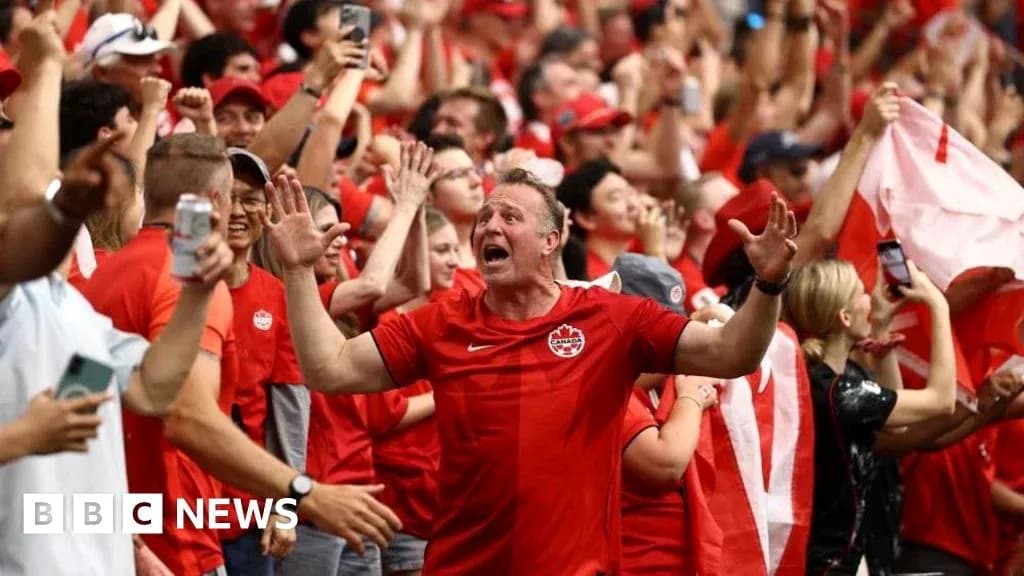
On a heaving night in Vancouver, before 52,000 fans soaked in red and white, Les Rouges tore Qatar apart 6-0 to claim the first World Cup victory in the country’s history – a landmark result that felt less like a one-off and more like a declaration. Canada is no longer just a hockey nation dabbling in football. It looked, sounded and celebrated like a soccer nation.
The scoreline alone would have been enough. Six goals. Three before half-time. A hat-trick from Jonathan David. Two Qatari red cards turning a dominant performance into a demolition. But the game refused to settle into a simple party. It carried a scar.
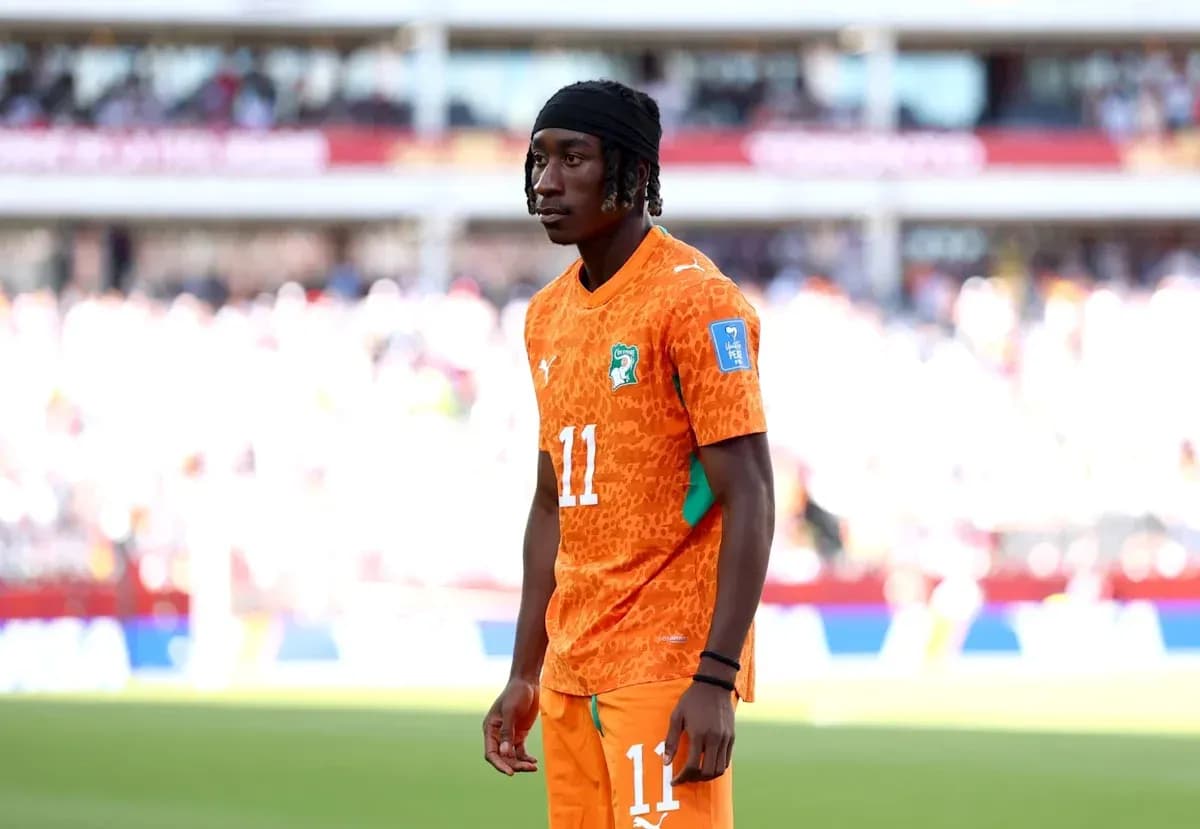
Ismaël Koné, the Ottawa midfielder who has become the heartbeat of Jesse Marsch’s side, left the pitch with a broken leg and a tournament over almost as soon as it had truly begun. The roar that had greeted Canada’s goals turned into a stunned hush as medics rushed on. His teammates formed a protective ring, then a defiant response.
Nathan Saliba, thrown into the chaos to replace Koné, hammered in Canada’s fourth and immediately raised his teammate’s jersey to the sky. The stadium erupted again, this time with something more than joy – a kind of shared promise that the run would carry Koné with it.
“This will stay with me forever,” Koné wrote on Instagram on Friday morning after surgery, a message back to the players who had rallied around him.
Outside the stadium, it felt like a country catching up with itself. Hours before kick-off, the “last mile” to the ground turned into a red-and-white procession. Smoke flares thickened the air. Chants bounced off buildings. Thousands more packed watch parties from Vancouver’s Granville Street to cramped bars in Toronto, where generations of fans who once watched Canada as an afterthought suddenly had something else: expectation.
One of them was Dave Di Cola, a long-time believer in a team that rarely gave him much in return. He spoke of “reserved optimism” before the game, the kind of caution learned from years of false dawns. Ninety minutes later, that reserve had been blown away.
“Canada soccer has always been kind of a joke. It’s always secondary,” he said. On this night, it wasn’t. The scale of the support, the noise, the flags, the faces – it “nearly brought a tear” to his eye.
Social media filled in the rest of the picture. One image captured the shift better than most: a fan in a Connor McDavid ice hockey jersey, the “Mc” taped over and replaced with a hand-written “J” for Jonathan David. A hockey country quite literally rewriting its heroes.
On the pitch, David delivered the kind of performance that invites that sort of improvisation. Clinical, relentless, ruthless in front of goal. Each finish tightened Canada’s grip on the match and loosened decades of insecurity around the men’s national team. By half-time, with three goals on the board, the tension was gone. This was not a plucky outsider hoping for a break. It was a side imposing itself, then stepping on the throat.
The two Qatari red cards tilted the contest even further, but by then the pattern was clear. Canada pressed with conviction, passed with purpose, and attacked with a confidence that used to belong to other nations. The result became a rout. The significance went beyond the margin.
In the dressing room afterwards, the country’s political power stepped into the sporting moment. Prime Minister Mark Carney addressed the squad, praising not just the scoreline but their reaction to Koné’s injury, calling it “a level of character that some people never achieve.” He reminded them that the whole country was watching – and that those who weren’t would see it in the highlights.
Canada knows big sporting nights. Sidney Crosby’s golden goal in Vancouver in 2010. The Toronto Raptors toppling the Golden State Warriors in 2019. The women’s football team climbing to Olympic gold in Tokyo. Those are etched into the national memory.
Di Cola, for all the emotion of Thursday, doesn’t pretend this win sits alongside those giants. Not yet. For him, this is something smaller, more fragile, still forming. A beginning, not a coronation. “A long way to go,” he insists.
He’s right. One emphatic victory, even a historic one, doesn’t rewrite a sporting culture overnight. It does something subtler but just as important: it changes what feels possible.
Canada now turns toward Switzerland with momentum, belief and a hole in midfield where Koné once was. The celebration has already been cut with a dose of reality. The question is no longer whether this team belongs at this level.
It’s how far, and how fast, this new soccer nation can run.