Barcelona's Financial Crisis: The Legacy of Josep Maria Bartomeu
When Josep Maria Bartomeu finally walked away from the presidency of Barcelona in October 2020, he did not leave as a champion. He left as the man blamed for dragging one of football’s great institutions to the edge of financial collapse.
On paper, his reign had delivered. Four La Liga titles. A treble in 2014-15. The kind of honours list most presidents would frame on their office wall. But behind the silverware, the numbers were rotting. By the time he resigned, Barca were staring at bankruptcy.
Bartomeu has never accepted that the crisis was of his own making. For him, the villain is the pandemic.
“With the pandemic, we don't have the stadium open, there’s no ticketing, no season tickets, the shop is closed, there's no museum, no football schools,” he told EFE this year. The crash in income, he argued, forced the club to borrow heavily, just as “the vast majority of clubs in Europe” did.
The problem is that very few clubs were as exposed as Barcelona when Covid hit. That vulnerability was Bartomeu’s legacy.
Between his re-election in July 2015 and his exit in October 2020, Barca spent just over €1 billion on 29 signings. Not one turned into an unqualified success. Several became symbols of excess.
- Ousmane Dembele.
- Philippe Coutinho.
- Antoine Griezmann.
Huge transfer fees, huge wages, and almost no resale value. They weighed down the balance sheet just as heavily as they failed to lift the team.
La Liga had warned clubs not to let salaries exceed 70 per cent of annual revenue. Bartomeu waved that away.
“The LFP and UEFA make recommendations but nobody sets a salary cap. We are above what is recommended but the important thing is to be sustainable,” he insisted. “We can afford it.”
They couldn’t. Not once the turnstiles stopped spinning.
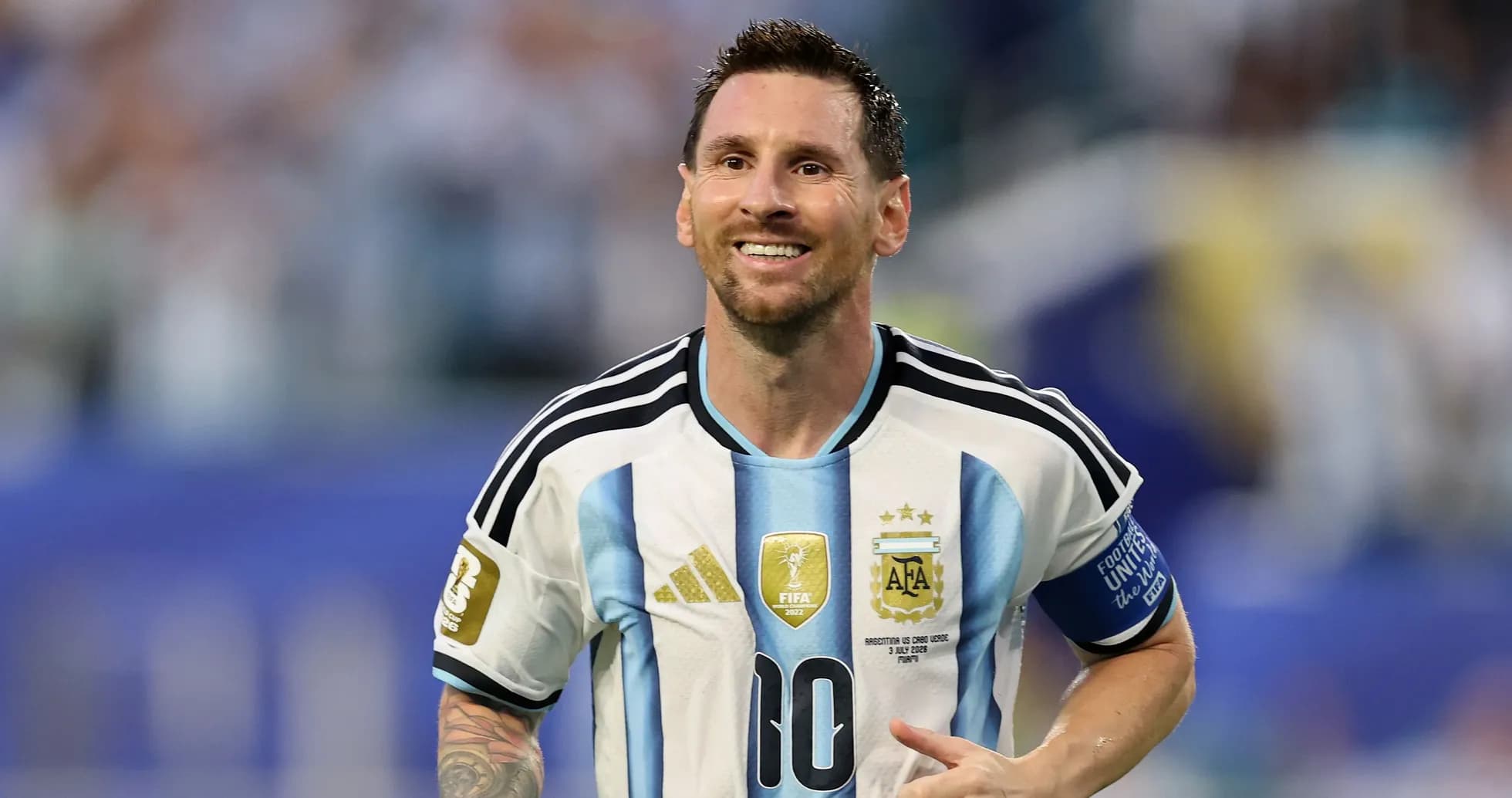
When Covid hit, Barcelona were stuck with an ageing, overpaid squad that the market simply did not want. So when Joan Laporta returned to the presidency in March 2021, he walked into a financial minefield. His first seismic act was also his most painful: letting Lionel Messi go for nothing when his contract expired that summer.
“I did what I had to do,” Laporta told El Pais earlier this year. Messi was “nearing the end of his career” and Laporta felt he needed to build a new team. He would have preferred to do it with Messi, he admitted, but “it wasn’t to be”.
Even that brutal decision, though, barely scratched the surface of Barca’s problems. The debts, the wage bill, the structural imbalance – all of it remained. Laporta faced a choice that would define his presidency.
“Laporta basically had two options,” explains Marc Menchen Alba, CEO of Barcelona-based company 2Playbook. One path meant slashing the wage bill, selling players, accepting a sharp drop in competitiveness and wandering “through the footballing wilderness for two or three years”.
The other? Raise cash fast. Sell off future assets. Try to win immediately and hope that success would drag the club back to safety.
Laporta chose the gamble.
The Levers Era
The summer of 2022 became the summer of the “levers”. Barcelona sold 25 per cent of their La Liga broadcasting rights for the next 25 years to investment firm Sixth Street, raising €582m. It was the most dramatic of several deals designed to plug the holes in the accounts.
In essence, Laporta mortgaged tomorrow to pay for today, betting that trophies would restore Barca’s financial strength over time.
“I remember thinking at the time, this is a bold move,” Menchen says. “But I didn't like it because I thought there were safer ways to go about it.”
On the pitch, the bet initially looked inspired. Those levers funded a new spine: Robert Lewandowski arrived from Bayern Munich for €45m, Raphinha and Jules Kounde followed for a combined €108m. Barcelona powered to the 2022-23 league title, their first La Liga crown in four years.
The hangover came every summer.
“Laporta's high-risk move led to Barca suffering nearly every summer,” Menchen notes. Each window turned into a scramble to register new signings within La Liga’s financial rules. The summer of 2024 was particularly fraught.
Fans, already exhausted by the financial drama and the never-ending Camp Nou redevelopment, snapped. The Dani Olmo saga – where Barca chased the player without the means to close the deal – became a breaking point.
Supporters’ group Som un Clam issued a ferocious statement. They called the situation “inadmissible” and the damage to the club’s reputation “irreparable”. They accused the board of “continuous lies” and “false promises that are never fulfilled”.
In their view, the levers had “decapitalised” FC Barcelona in just four years, stripping away strategic future assets to cover “holes derived from chaotic and improvised management”. They saw no “solid financial plan” and no “coherent strategy” for medium or long-term stability.
Their demand was blunt: stop the improvisation, stop selling off the club’s future, protect the collective ownership model – and resign. President and board. All of them.
The atmosphere around the club turned toxic. Yet Laporta held on.
La Masia to the Rescue
Eighteen months later, the mood is very different. The change has not come from another giant lever, but from something far more traditional: restraint and La Masia.
Last season, Barcelona made only one major signing. Goalkeeper Joan Garcia arrived from Espanyol for €25m, a release-clause bargain in modern terms. At the same time, the club cashed in on a series of departures, many of them academy products.
Those sales were pure profit. No initial transfer fee to amortise, just clean income on the balance sheet.
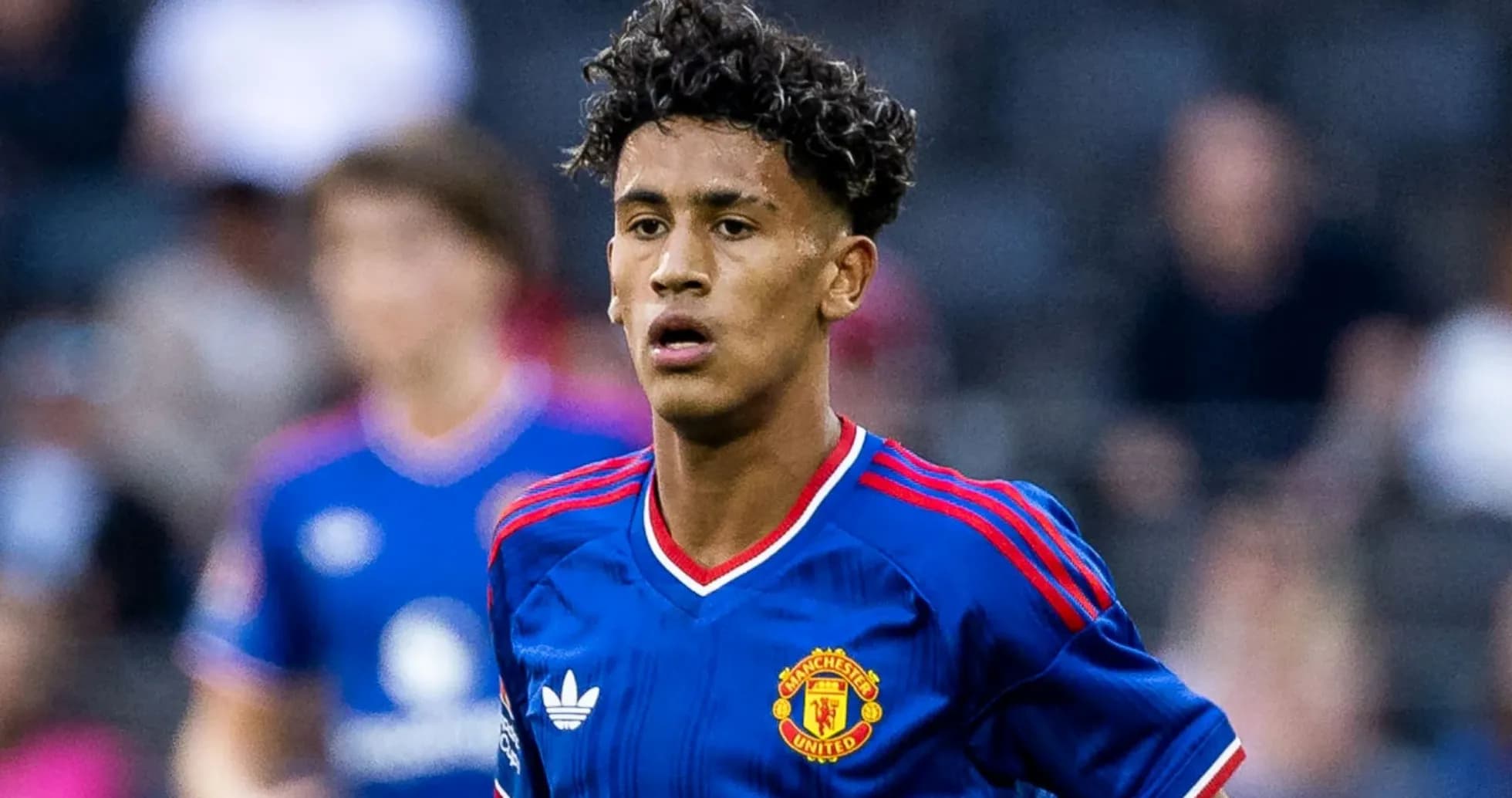
“You can see with the likes of Lamine Yamal and Pau Cubarsi just how important La Masia is to Barcelona in terms of producing players for the senior squad,” Menchen says. The academy does two things at once: it supplies first-team-ready talent and reduces the need to spend on transfers.
But there is a second, colder reality. La Masia now also feeds the market.
“Over the past few windows, we've seen Barca do really well in terms of the sale of academy graduates,” Menchen points out. Previously, many of these youngsters left for nothing because there was no space for them in the first team. Now, “18 and 19 year olds that most fans have never even heard of” are being sold for €5m or €10m. Those deals quietly help Barca hit their budget targets.
Real Madrid are following a similar model with La Fabrica, using academy sales to help fund major signings like Yan Diomande. Both Spanish giants pour €20-30m a year into their youth systems. This summer, that investment has rarely looked wiser.
Barcelona’s latest window still produced a heavy net spend, but it came with crucial offsets. Paris Saint-Germain agreed to pay €48.5m for Ferran Torres. Lewandowski left on a free, but his exit removed a huge salary from the books. Liverpool’s decision to cover Ronald Araujo’s entire wage packet during his loan at Anfield eased the pressure even further.
The Julian Alvarez Question
One big question remains: can Barcelona still afford to act like a superclub in the market? Specifically, can they move for someone of Julian Alvarez’s profile to replace Lewandowski’s goals?
Right now, Menchen is sceptical. The numbers are still tight. But the answer could lie, once again, in La Masia.
“You always have to remember that this is a cash-flow business,” he explains. Sell an academy player like Marc Casado for €30m and you could effectively fund Alvarez’s cost for this season, because the transfer fee for a new signing is amortised over the length of his contract.
That logic underpins Barcelona’s current strategy. Academy sales, the eventual completion of the new Camp Nou, and rising museum income as tourism in the city recovers – together, they could transform the club’s financial landscape.
“Barca will probably be able to operate with complete financial freedom next summer for the first time since before the pandemic,” Menchen predicts.
The Levers’ Lasting Shadow
So, are Barcelona finally out of danger?
“They are for now,” Menchen says. One concern lingers: the €40m a year the club still pays to Sixth Street for those Liga rights. For a club targeting €1 billion in annual revenue, it does not sound catastrophic. But at the top of the game, “it's still a game of small margins” – and that €40m could be the difference in a transfer battle with Real Madrid.
Even so, Menchen believes the worst is over. “I do think we are seeing the beginning of the end of Barca's most serious financial problems,” he says. Laporta’s levers were a “high-risk move”, the sort of decision a president sometimes feels forced to make. With three league titles in four seasons, he will likely argue history has vindicated him.
Menchen still sees missteps. He believes a more cautious transfer policy could have avoided some of the pain – and perhaps the need to sell off future Liga rights at all.
But the key shift is this: Barcelona no longer look like a club that needs to pull another lever. The emergency phase is over. The institution that was run in a “weird and crazy” way for far too long is edging back towards something resembling normality.
The question now is whether they can resist the temptation to gamble again the next time the pressure rises.