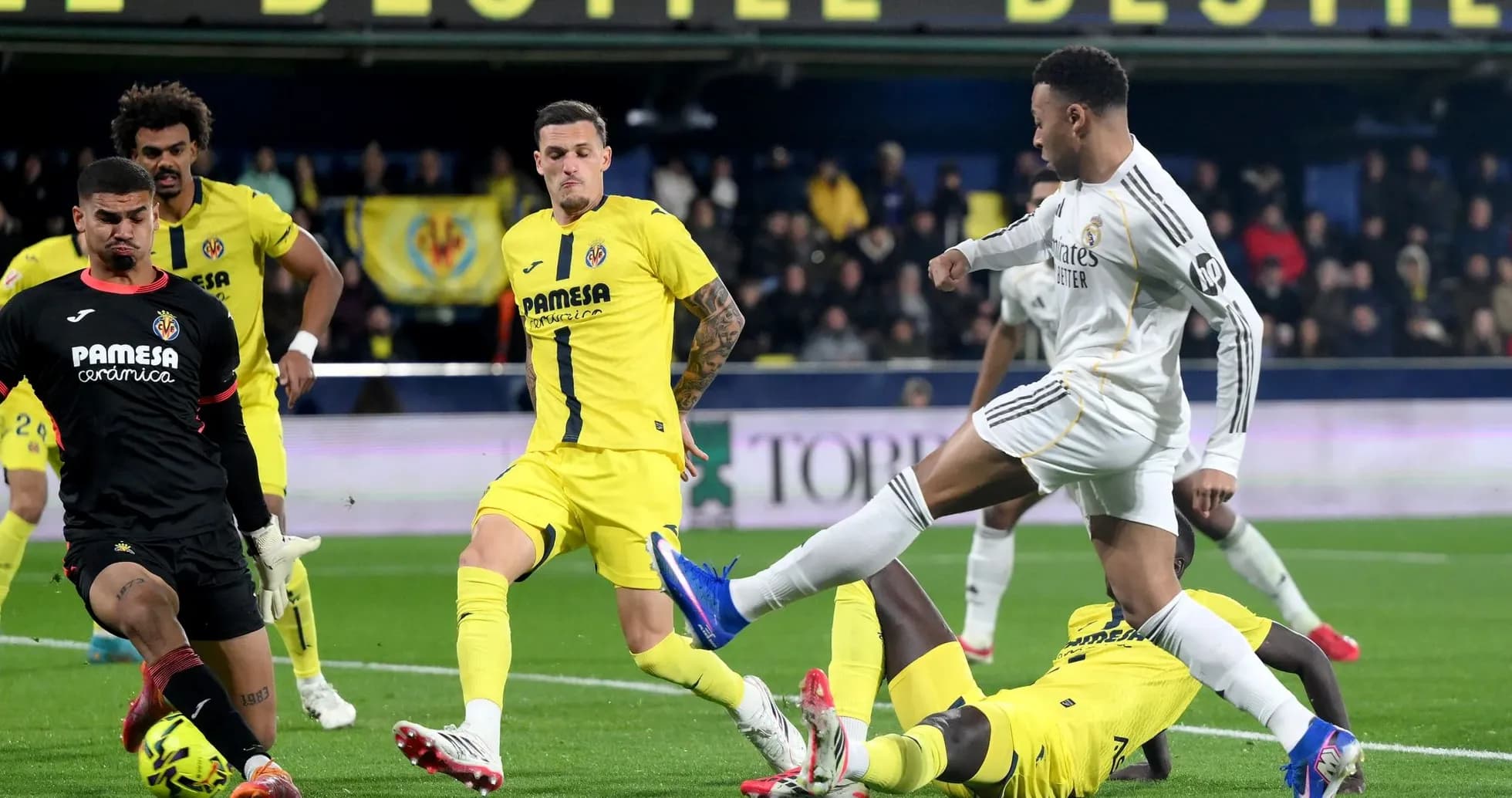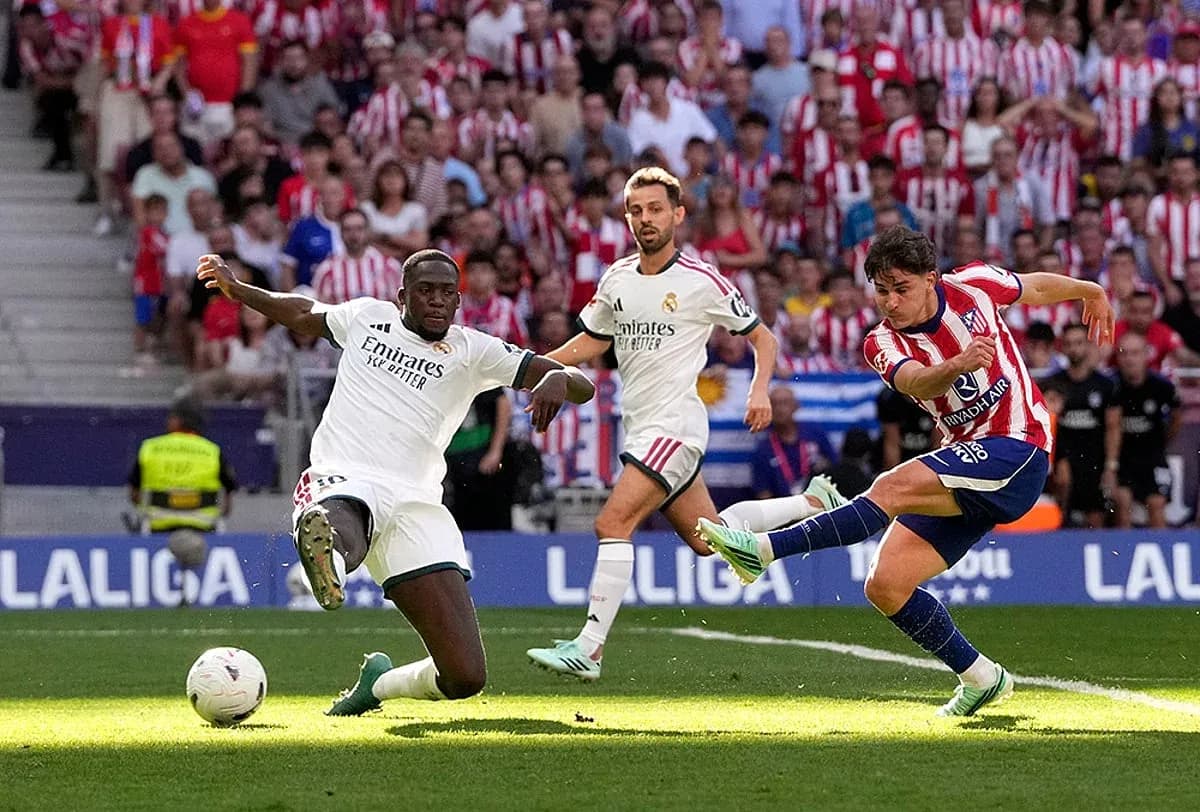
Barcelona vs Real Madrid: El Clásico Showdown on May 10, 2026
Camp Nou stages another seismic chapter of El Clásico on 10 May 2026, with Barcelona hosting Real Madrid in La Liga’s round 35. The title race context is stark: Barcelona sit top of the league with 88 points, Real Madrid second on 77. With just four games left, this is effectively a must-win for Madrid if they are to keep any realistic hope of overhauling the leaders, while Barcelona can all but close the door on their great rivals with another home victory.
The stakes and the state of the table
In the league, Barcelona have been close to flawless. They lead La Liga with 29 wins from 34, just one draw and four defeats, scoring 89 and conceding 31 (goal difference +58). At Camp Nou, the numbers are extraordinary: 17 home games, 17 wins, 52 goals scored and only 9 conceded. No home draws, no home defeats, and not a single match where they failed to score.
Real Madrid’s season would look title-winning in most campaigns: 24 wins, 5 draws and 5 defeats from 34, 70 scored and 31 conceded (goal difference +39). Away from home they have 10 wins, 4 draws and only 3 defeats, with 31 goals scored and 17 conceded. But in the shadow of Barcelona’s perfect home record and relentless overall form (league form string “WWWWW”), Madrid’s more mixed recent sequence (“WDWDL”) leaves them playing catch-up.
This fixture, then, is not just about bragging rights. A Barcelona win would effectively turn the title race into a procession; a Real Madrid victory would cut the gap to eight points and at least keep the pressure alive heading into the final weeks.
Recent El Clásicos: Barcelona’s edge
The recent competitive head-to-head record leans towards Barcelona. The last five meetings (all competitive, no friendlies) read:
- 11 January 2026 – Super Cup Final, King Abdullah Sports City (Jeddah)
Barcelona 3-2 Real Madrid – Barcelona won in regular time. - 26 October 2025 – La Liga, Estadio Santiago Bernabéu (Madrid)
Real Madrid 2-1 Barcelona – Real Madrid won in regular time. - 11 May 2025 – La Liga, Estadi Olímpic Lluís Companys (Barcelona)
Barcelona 4-3 Real Madrid – Barcelona won in regular time. - 26 April 2025 – Copa del Rey Final, Estadio Olímpico de Sevilla (Sevilla)
Barcelona 3-2 Real Madrid after extra time (2-2 in 90 minutes) – Barcelona won after extra time. - 12 January 2025 – Super Cup Final, King Abdullah Sports City (Jeddah)
Real Madrid 2-5 Barcelona – Barcelona won in regular time.
Across these five competitive meetings, Barcelona have four wins, Real Madrid one, with no draws. Scorelines such as 5-2, 4-3, 3-2 and 3-2 after extra time underline how consistently open and high-scoring this fixture has been in the last couple of seasons.
Tactical landscape: structures and styles
Across all phases this season, Barcelona have overwhelmingly preferred a 4-2-3-1 (24 matches) with a secondary use of 4-3-3 (10 matches). That points to a side comfortable with a double pivot, freeing an advanced line of three to support the central striker.
Real Madrid, by contrast, have been more flexible but most often line up in a 4-4-2 (16 matches), with 4-2-3-1 (8 matches) and 4-3-3 (6 matches) also heavily used. That flexibility allows them to morph between a front two to maximise Kylian Mbappé and Vinícius Júnior, and a 4-2-3-1 shape to better control midfield when required.
Barcelona with the ball
Barcelona’s attacking numbers at home in the league are ferocious: 52 goals in 17 home matches, an average of 3.1 goals per game. They have not failed to score once, and they have the league’s most prolific overall attack (89 goals, 2.6 per match across all phases).
The creative and scoring load is spread across a high-quality front unit:
- Lamine Yamal (16 goals, 11 assists in La Liga) is a standout. With 72 key passes and 244 dribble attempts (135 successful), he is both the primary ball-progressor and a direct goal threat. His average rating of 7.95 underlines his influence.
- Ferran Torres adds 15 league goals from 30 appearances, often providing a more vertical, penalty-box presence when he starts or comes off the bench.
- Robert Lewandowski has 13 league goals despite only 14 starts, still a penalty-box specialist with 27 shots on target from 45 attempts. His penalty record this season is mixed (1 scored, 2 missed), so he cannot be described as flawless from the spot.
- Raphinha contributes 11 goals and 3 assists from midfield/wing positions, with 41 key passes and 39 dribble attempts (20 successful), giving Barcelona another creative wide outlet.
With a 4-2-3-1 base, Barcelona are likely to seek numerical superiority between the lines, using Yamal and Raphinha to isolate Madrid’s full-backs and Lewandowski or Torres to pin the centre-backs. Their home defensive record (9 conceded in 17) suggests they can maintain a high line and compress the pitch, trusting their structure and clean-sheet record (14 in total across all phases) to protect them.
Barcelona have also been extremely reliable from the penalty spot at team level in La Liga (7 penalties taken, 7 scored). That threat further punishes defenders who dive in around the box against their dribblers.
Real Madrid’s transition threat
Real Madrid’s attack is built around two elite forwards:
- Kylian Mbappé leads La Liga’s scoring charts with 24 goals and 4 assists. He has 100 shots (61 on target), 63 key passes and 140 dribble attempts (76 successful). His penalty record this season is 8 scored, 1 missed – excellent but not perfect.
- Vinícius Júnior has 15 goals and 5 assists, 71 shots (44 on target) and 186 dribble attempts (85 successful). He also draws a huge number of fouls (78), constantly destabilising defences.
Together, Mbappé and Vinícius give Madrid the most devastating transition pair in the league. In a 4-4-2, they can both start high and wide, attacking the space behind Barcelona’s full-backs. In a 4-2-3-1, one can drift inside from the wing with the other as a central striker.
Madrid’s away record in the league (31 goals scored, 17 conceded) and 7 away clean sheets show they are capable of controlling games as well as counter-attacking. Their total of 70 goals (2.1 per match across all phases) and 12 clean sheets overall point to a side that balances attacking power with a solid defensive base.
Madrid have also been perfect from the spot at team level in La Liga (12 penalties taken, 12 scored). Individually, both Mbappé and Vinícius have missed one penalty each this season, so while Madrid are collectively ruthless from 11 metres, neither forward is individually flawless.
Discipline and game management
Card data suggests both sides can be drawn into intense, late-game battles. Barcelona’s yellow cards spike between 46-60 minutes (15 yellows, 26.79%) and 76-90 minutes (11 yellows, 19.64%), hinting at aggressive pressing phases after half-time and in closing stages. Real Madrid accumulate a large share of their yellows between 61-75 minutes (15, 23.44%) and also have a notable number in added time (11 between 91-105 minutes, 17.19%).
Red cards are more frequent for Madrid (spread across several time ranges, including late in matches), while Barcelona’s reds are concentrated in added time (two between 91-105 minutes). In a high-stakes Clásico, these trends raise the possibility of decisive disciplinary moments as fatigue and tension rise.
The verdict
All indicators point towards another high-intensity, high-scoring Clásico.
- Barcelona have a perfect home record in the league, the best attack, and a recent head-to-head edge (four wins from the last five competitive meetings).
- Real Madrid possess the league’s top scorer in Mbappé and one of its most dangerous dribblers in Vinícius, and they are a strong away side with 10 wins and 7 clean sheets on the road.
Tactically, Barcelona will likely dominate possession, using their 4-2-3-1 to overload midfield and feed Yamal and Raphinha between the lines, while Madrid will look to spring Mbappé and Vinícius into space whenever Barcelona’s full-backs advance.
Given Barcelona’s flawless home league record and their recent superiority in big matches against Madrid, the hosts have to be considered slight favourites. However, Madrid’s transition quality and need for a result should ensure a fiercely contested, open match in which both sides have the tools to score multiple times.
A narrow Barcelona win in a game with plenty of goals feels the most logical outcome, but with this level of attacking talent on both sides, the margins are razor-thin.