Arsenal Pursues Victor Osimhen: A Risky Transfer?
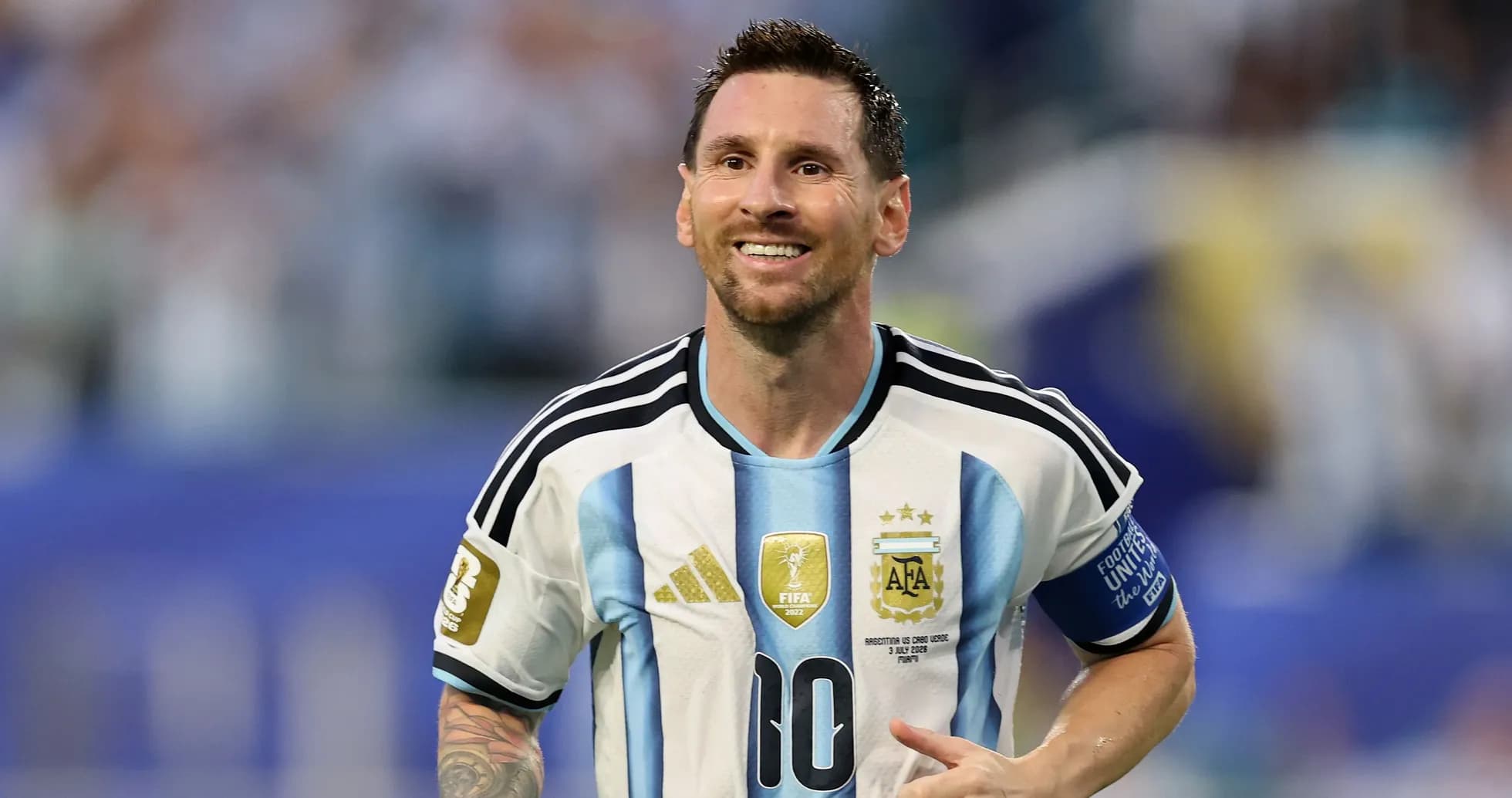
Arsenal have opened talks with Galatasaray over what would be one of the most eye-catching – and most questionable – deals of the window: a move for Victor Osimhen.
The Premier League champions have tracked the Nigeria striker for the best part of a decade. He first flashed onto their radar as a teenager at the U-17 World Cup in 2015, when Arsenal tried to bring him to north London. Osimhen listened, then turned them down.
“Yes Arsenal is a good team for young players,” he said back then. “But Wolfsburg is the best club for me.”
He chose Germany, then climbed through Lille and Napoli to Galatasaray. The Premier League links never really went away. Now, at 27, they are back on the table with real weight behind them after The Telegraph reported that discussions have taken place between the Turkish and English champions.
Who picked up the phone first is not yet clear. Nor is the price. Galatasaray paid around $86 million (€75 million) for Osimhen just a year ago, and he has a contract running to 2029. Any deal would be heavy, even by Arsenal’s new financial standards.
Osimhen is not rushing to kill the story.
Asked this week about a possible move away from Istanbul, he left the door wide open. “There are always rumors during the transfer windows,” he said. “I’ll focus on my job. I’m focused on my work. We’ll see and think about what comes next then.”
That’s not a denial. It’s an invitation to keep talking.
Galatasaray’s talisman – and the warning signs
Galatasaray have every reason to dig in. Osimhen is their undisputed star, the face of the team and the spearhead of their attack. Since arriving on the Bosphorus two years ago, he has rattled in 61 goals in 75 games. Those are elite numbers in any league.
He plays with a restless, infectious energy. He runs channels, bullies centre-backs, attacks crosses, crashes into duels. His highlight reels are built for social media and for recruitment meetings.
But Arsenal have seen this movie before.
A physically dominant No. 9, thriving outside Europe’s top five leagues, with a scoring record that jumps off the page. It sounds familiar because it is. Viktor Gyökeres arrived from Sporting CP with an even better goal ratio than Osimhen and spent his first season in England discovering how unforgiving the Premier League can be.
Gyökeres still finished with 21 goals in all competitions. On paper, that looks respectable. Look closer and the shine fades. Not one of those goals from open play came against a side in the Premier League’s top six. The big-game impact that Arsenal hoped they were buying never truly materialised.
The pattern is instructive. Strikers who feast on space in Portugal or Türkiye often find that space disappears in England. Defenders are quicker, blocks are tighter, and the margin for error shrinks. The hulking centre forward who once galloped into acres of grass suddenly has to operate in crowded penalty areas against defenders who relish the fight.
Osimhen would be stepping into that same storm.
Made of glass?
There is another red flag, and it might be the biggest of all.
Osimhen’s body has taken a pounding. Over the last six seasons, he has missed 82 matches through a variety of injuries. That works out at more than 13 games per year, every year. For a club already juggling fitness concerns in attack, it is a serious risk.
Arsenal cannot afford another forward who spends long stretches in the treatment room. They have been here before with key attackers breaking down just as the season tightens. Investing a huge fee and wage packet in a striker with that medical history would be a gamble of the highest order.
Even if he matched Gyökeres’ output in terms of goals, there is no guarantee he would be available often enough to influence the biggest games. Arsenal need reliability as much as they need star power.
Do Arsenal even need this type of striker?
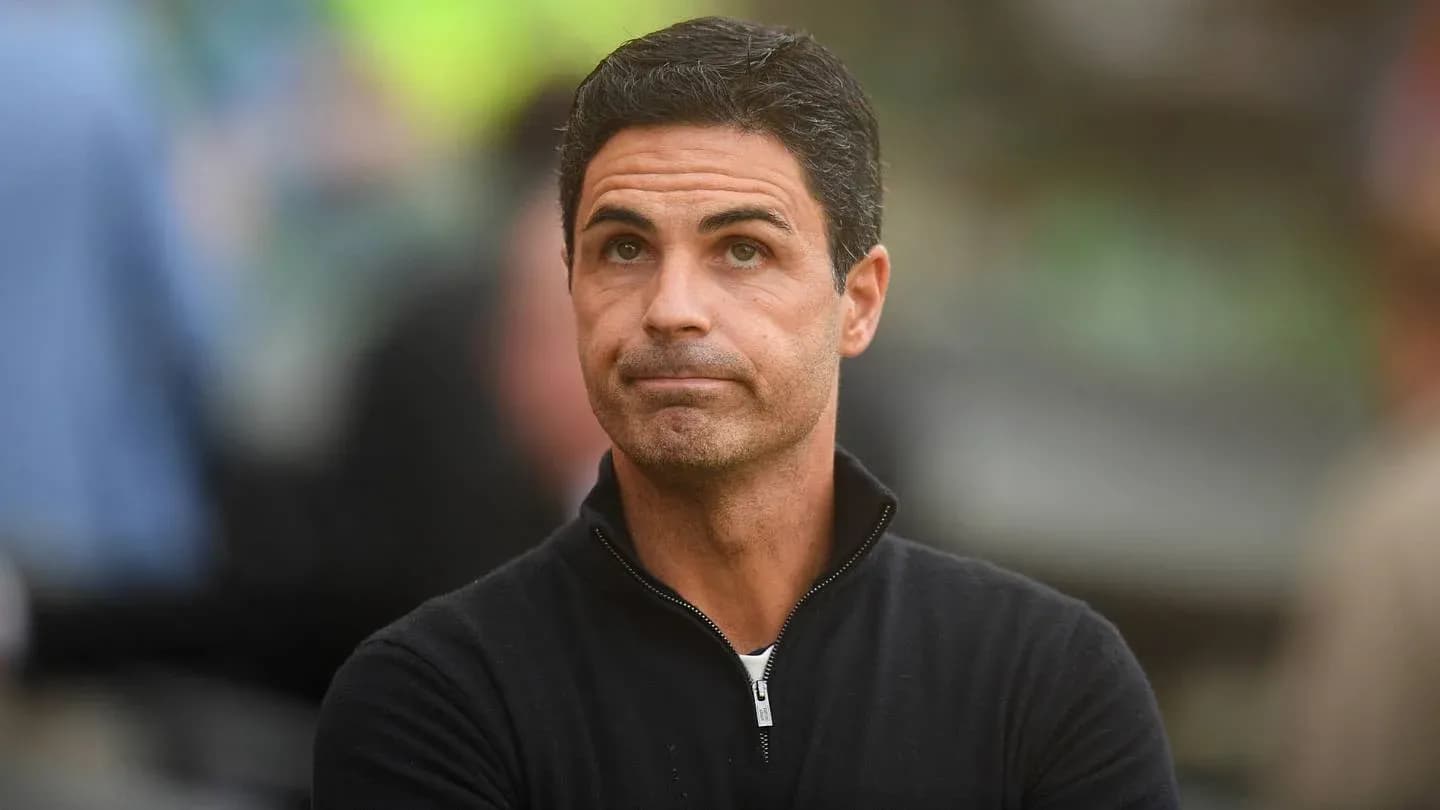
Mikel Arteta has been clear about the next phase of Arsenal’s evolution. The champions must strengthen from a position of power, not stand still.
“The ambition of the club, it’s big,” he said this week. “We want to improve the squad, we want to evolve the squad, and in order to achieve that, we have obviously detected some areas that can be strengthened. That’s what we are trying to do.”
Central striker is not obviously one of those areas.
Arteta already has Gyökeres and Kai Havertz as options through the middle, with Mikel Merino capable of filling in as an emergency solution. Arsenal’s system has increasingly favoured fluid movement and interchanging positions over a traditional, penalty-box target man.
The real gap lies elsewhere.
Gabriel Martinelli could yet leave, and the left wing is crying out for a marquee arrival who can walk straight into the starting XI. Vinícius Júnior is off the table, but there are other names in play. Paris Saint-Germain’s Bradley Barcola would be expensive but fits the profile of a wide forward who can stretch defences and score. Atlético Madrid’s Julián Alvarez offers versatility, able to operate on the flank or centrally, and might tick more tactical boxes than a pure No. 9.
Arteta has spoken often about how few players in world football can genuinely improve his first team. Any major signing has to belong to that tiny group.
Osimhen is a thrilling footballer and a proven scorer in Türkiye. The question for Arsenal is blunt: is he the upgrade that takes a title-winning side to the next level, or an expensive repeat of a lesson they have already learned?