Arsenal’s Dominance in Community Shield Signals Change for City
Bookmakers do not often panic over the Community Shield. This time, they twitched.
Arsenal’s 3-0 dismantling of Manchester City in Cardiff did more than deliver the first silverware of the English season. It rattled the markets and underlined just how uncertain the first year of the Enzo Maresca era might be, especially with confirmation that World Cup 2026 standout Rodri is leaving for Barcelona.
City, champions in six of the last nine Premier League seasons, suddenly look mortal.
Before Sunday, Pep Guardiola’s old side were 11-2 to reclaim the title. After being taken apart by the reigning champions Arsenal, those odds tightened to 7-2. That shift says as much about the doubts around City as it does about the belief in Mikel Arteta’s side.
Arsenal, already defending champions, saw their price trimmed from 6-4 to 5-4. Liverpool sit at 6-1, Chelsea and Manchester United at 8-1, Tottenham way out at 28-1, and Aston Villa at 66-1. The hierarchy is familiar. The storylines are not.
A new season, the same arguments
Two years ago, almost nobody in this panel would pick against City making it five titles in a row. Last year, after Liverpool’s shock triumph in Arne Slot’s first season and a lavish transfer splurge, the mood turned red. The champions promptly fell to fifth, Slot was gone after his second campaign, and another “new era” on Merseyside began.
This time there’s no stampede to anoint Arsenal, but nobody is writing them off either.
Christine, the Liverpool historian, can at least claim bragging rights for predicting her club would not retain the title in 2026. She said “first or fourth”; they landed in between. Among the four Manchester United supporters polled last year, not one had them in the top four. Niall went for an unsolicited fifth-place shout, which turned out to be prophetic enough that the panel has now formally shifted to a top-five prediction format.
Some got bold. I had United second behind my own Liverpool and tipped Aston Villa to finish third. Only John also had Villa in the top four. Now, with an actual Villa fan, Dave, on board, the Midlands club have a proper voice in the room.
Nottingham Forest as my fourth choice? That was a stretch, as John explains elsewhere, but it helped push through the move to a top-five system. The landscape now feels like an expanded “unofficial Big Six” that actually numbers seven: Arsenal, City, Liverpool, Manchester United, Chelsea, Villa and Spurs. The bookmakers’ board reflects that power bloc.
Two years ago, Scott and a couple of others managed to name the top four clubs, if not the order. Nobody managed it last season, largely because Chelsea appeared in almost every list and promptly finished 10th.
This year, I expect Chelsea to rise again in 2026-27, with London, inspired by Arsenal’s surge, muscling into the top spots. My five? Chelsea, Arsenal, Liverpool, Tottenham, Brentford.
There is one notable absentee from the usual season-opening chorus. Our boxing columnist Jay, dealing with a serious family situation in Zambia, could not file his thoughts on Manchester City. He sends his apologies.
Leeds, Everton and the old-school feel
Leeds United’s survival last season felt like an achievement in itself. Paul Galligan, a labor attorney and Leeds fan, sees something sturdier taking shape.
With Coventry coming up this year to join Leeds and Sunderland, the Premier League has an old-school look. Galligan believes Leeds can now push towards mid-table security and maybe flirt with Europe if they add another goalscorer. The arrivals of James Trafford, Tarik Muharemović and Harry Wilson give them three first-team upgrades, but the squad still looks thin.
His top five? Chelsea, Arsenal, City, United and “Pool” – in that order. Old names, familiar arguments.
On Merseyside’s blue half, Everton stride into their second season at the Hill Dickinson Stadium, still nursing the bruises of a limp finish. Three points from the final seven games wrecked their European ambitions and tested the patience of a fanbase that has endured too many false dawns.
David Moyes now leans on fresh blood: Christian Norgaard, Hayden Hackney and Brennan Johnson, who arrives in a swap deal that sends Dwight McNeil to Crystal Palace. The fanbase obsesses over the search for a right-back. Transfer noise swirls around Iliman Ndiaye and the possibility of Jack Grealish in royal blue once more.
Ndiaye lit up the World Cup with a cameo against Iraq. Grealish had been superb for Everton before injury ended his season and World Cup dream. James Garner, Kiernan Dewsbury-Hall and England’s No. 1 Jordan Pickford will again carry much of the burden.
Everton’s supporters, settled into their gleaming new home on the Mersey, now demand more than aesthetics. They want progress. James Rogers’ top five: City, Arsenal, United, Liverpool, Chelsea.
Liverpool: from Slot to Iraola, and a Kop in flux
Liverpool’s relationship with the World Cup was complicated. Christine Kinealy and her family boycotted attending games in protest at corruption, choosing instead to watch on television and to take in a Liverpool–Wrexham friendly at Yankee Stadium.
On the pitch, her prediction that France would win fell flat. Spain, driven by possession football, took the trophy. Their squad included Víctor Muñoz, now a Liverpool player. Nine other Liverpool men went to the tournament, three of them with the Netherlands.
Back home, the Arne Slot era fizzled out. Heavy spending did not produce cohesion, and when games fell apart, Slot had few solutions. Andoni Iraola now steps in, leaning into a more direct, high-pressing game. Turnovers high up the pitch, zonal counter-pressing, a style clearly influenced by Jürgen Klopp but with Iraola’s own refinements.
Pre-season has shown both promise and teething problems. Late transfer activity has brought Jeremy Jacquet, Víctor Muñoz and Ronald Araujo, but the sense is of another bumpy campaign ahead. Iraola’s Premier League experience should help those new defensive reinforcements settle faster than last year’s intake.
There is also the emotional wrench. Mo Salah and Andy Robertson, two modern icons, have gone. The “Kop Factor” remains, but the involvement of Jeff Bezos at the club has angered some supporters. Michael O’Sullivan, a Jesuit priest and Liverpool fan, calls it disappointing and unwelcome.
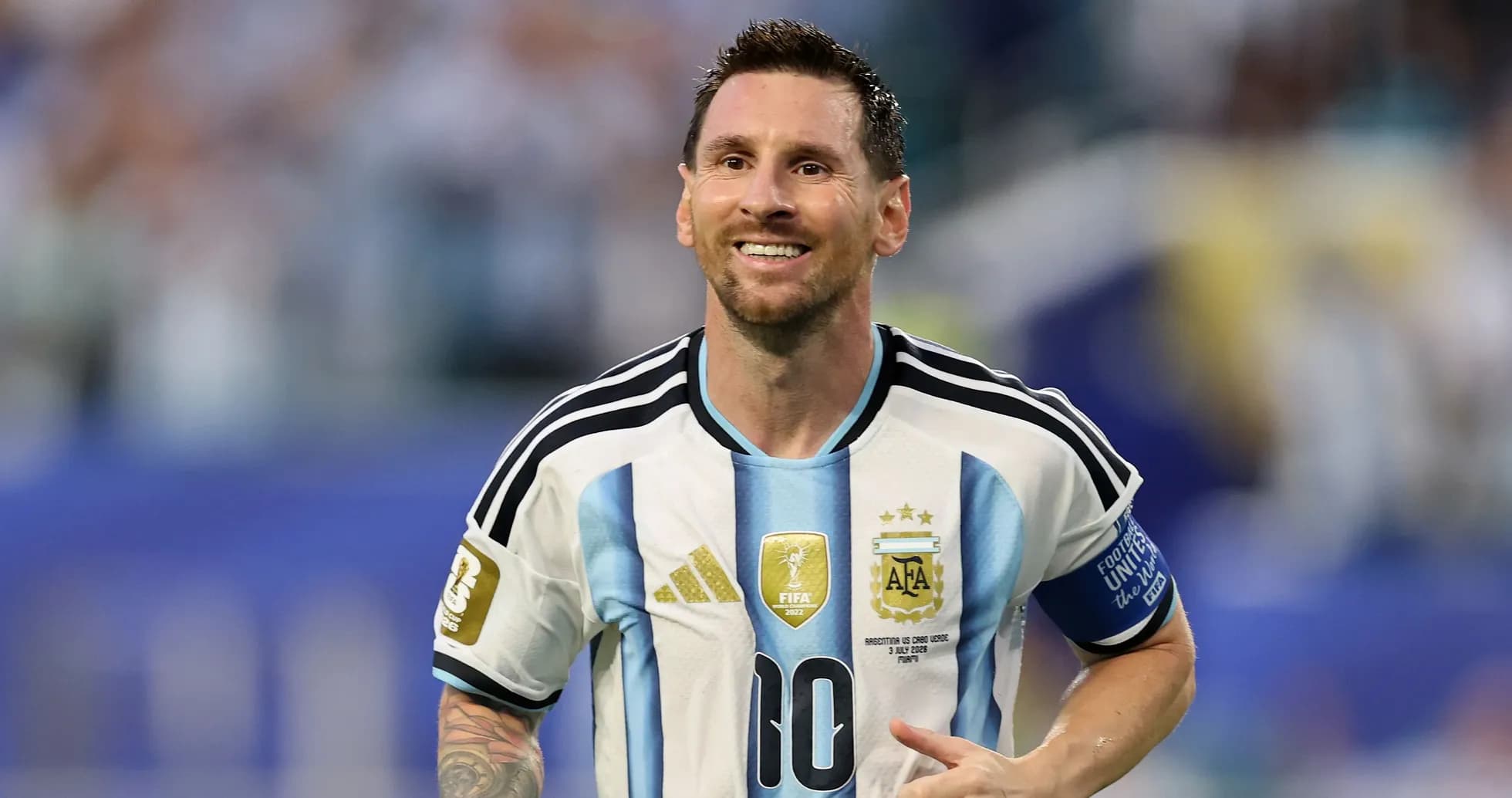
O’Sullivan backed Argentina at the World Cup for Lionel Messi, but now turns back to Liverpool’s reality: a team in transition, still short in key positions, with Ekiteke, Bradley and Leoni long-term absentees. He is glad Slot has gone, but warns that Iraola needs time and reinforcements. Even so, he sees reasons for optimism and expects Spurs to do well, doubts United can juggle league and Champions League, and tips City, Arsenal, Aston Villa, Liverpool and Tottenham as his top five.
Stephen Boland, another Liverpool voice, never warmed to Slot’s style either, calling last season “pretty poor”. Injuries hurt, Isak was sidelined, Florian Wirtz drifted, Salah looked a shadow of himself. The World Cup, he says, was better than expected despite an expanded format, though he loathed Argentina’s approach and the Messi-centric coverage.
He is quietly pleased most Liverpool players did not go deep into the tournament, believing that time together could build cohesion. His top five: Arsenal, Liverpool, City, United, Chelsea.
Christine herself predicts Liverpool will finish third under Iraola, banking on a more purposeful style and the club’s capacity to rally when doubted.
Spurs: from horror film to hope
Tottenham’s last season, in Dom Stingas Paczko’s words, was a horror film. A malevolent force, a slide towards oblivion, and a late saviour.
Thomas Frank’s appointment initially inspired optimism after Ange Postecoglou’s all-out-attack chaos, but by October the warning signs were flashing. Dom told his father Spurs could be dragged into a relegation fight. He was dismissed, just as the board were slow to act. By the time Frank went, they were in serious trouble. The brief Igor Tudor interlude barely merits a mention in his retelling.
Then came Roberto De Zerbi.
Dom is clear: without De Zerbi, he believes he would be writing about trips to Preston North End and Lincoln City instead of another Premier League campaign. The Italian’s ability to motivate, restore confidence and put Spurs back on the front foot changed everything.
The board, widely criticised after Daniel Levy’s tenure ended, have started to repair the damage. The wage structure has been overhauled, allowing them to compete for higher-calibre signings. Recruitment, both incoming and outgoing, looks sharper. Losing Cristian Romero and Djed Spence would once have sparked meltdown; now, thanks to smarter business, the mood is calmer.
Spurs still need two or three more attacking additions to mount a serious top-four push, but for the first time in a long while, there is a coherent plan off the pitch and genuine belief on it.
Dom’s top five: Arsenal, Chelsea, City, Villa and Tottenham – if those extra signings arrive. If not, he slots Manchester United into fifth.
Arsenal’s champions, and the weight of expectation
For Scott Silver, Arsenal fan and freelance designer, this is unfamiliar territory: predicting another title. Arsenal got the recipe right last season, and he sees no compelling reason they cannot repeat.
Some business remains in flux. Gabriel Martinelli could be gone for £38 million, but the rumour mill around arrivals is spinning. Bukayo Saka is fit again. Declan Rice looks like one of Europe’s outstanding midfielders. Eberechi Eze, Kai Havertz and Leandro Trossard round out a group that, as Scott puts it, borders on an embarrassment of riches.
He barely watched the World Cup beyond the USA games and the final four, but he saw enough to accept Spain’s supremacy.
His Premier League top five: Arsenal, City, Liverpool, United, Chelsea.
Manchester United: Carrick, belief and the title talk
If there is one club that never does modest ambition, it is Manchester United.
Joe Behan believes they can challenge for the title – if Michael Carrick stays in charge. Carrick walked away from the coaching staff in 2021 after Ole Gunnar Solskjaer’s sacking, drained by the experience after three and a half years as a coach and 12 as a player. Four years later, he returned, initially as head coach, then as manager, and promptly dragged United to third and back into the Champions League.
Kobbie Mainoo and Benjamin Sesko were restored to the line-up and excelled, as did much of the squad. Joe argues United played the best football in the league under Carrick, their finest since Sir Alex Ferguson retired.
His top five: Arsenal, United, City, Villa, Liverpool. Spain’s World Cup triumph, built on possession, impressed him, even if he felt there were too many games. Lisandro Martínez was the only United player to reach the final; the other 12 had mixed tournaments.
Ray O’Hanlon, another United man, frames it as a journey from frustration to expectation. From mid-table to top four is progress by any standard, but at Old Trafford the bar sits higher. Carrick’s calm stewardship after Ruben Amorim’s departure earned him the job, and he now has to guide United through a title tilt, European nights and domestic cups.
Pre-season brought three wins, a draw and a defeat. The loss, 4-2 to AC Milan, stung slightly more because Amorim was in the opposite dugout. Yet Ray insists defeats can be more educational than wins. Carrick wants more signings, including a possible marquee name to join Andrey Santos and three other arrivals. The academy, as ever, lurks as a source of future stars.
Ray’s targets are clear: the Premier League, top four at a minimum, and finishing above “noisy neighbours” City. His top five: Arsenal, United, Liverpool, Villa, Everton. The pressure, he says, starts immediately at home to newly promoted Hull City.
Niall O’Leary goes further. He calls United champions-in-waiting. With so many rivals changing managers, he sees continuity as United’s trump card. Carrick arrived in January – on Niall’s father’s birthday, a detail he savours – and that head start matters. Arsenal retaining the title? He doubts it. New managers elsewhere? That takes time.
His top five: United, City, Arsenal, Liverpool, Chelsea. His pick for United’s player of the season: Marcus Rashford, now wearing No. 14 and, in Niall’s view, primed for a “second coming”.
Anthony C. Murphy, also United-leaning, is more cautious. He saw Bruno Fernandes stifled by Cristiano Ronaldo’s presence with Portugal, lamented a flat Brazil and an underused Mainoo, and praised Lisandro Martínez’s steady World Cup. Amad Diallo, he notes, became Ivory Coast’s youngest-ever scorer with goals against Ecuador and Norway.
At club level, Anthony calls United unpredictable and lucky to finish third, arguing others faded. New arrivals Santos, Orozco and Youri Tielemans might bring stability, especially if Tielemans and Mainoo can form a partnership. Goalkeeper Lemmens veers between brilliance and calamity. Anthony expects a top-five finish, an early European exit and perhaps an FA Cup win. His top three are the familiar trio: Arsenal, City, Liverpool. One caveat: if Rodri leaves, City could stumble. That move, of course, is now done.
Newcastle’s reset and Villa’s belief in Emery
On Tyneside, John Spinks surveys a very different Newcastle.
The World Cup in the United States turned football into a full-time job for viewers, but while attention was elsewhere, Newcastle’s squad was stripped. Anthony Gordon, Sandro Tonali and, most recently, Bruno Guimarães have all gone, to Barcelona, Spurs and Arsenal respectively.
Three weeks before they host Liverpool on opening day, Eddie Howe resigns. In comes German coach Matthias Jaissle, hand-picked by the Saudi ownership, bringing his own staff and ideas. The defence still has a core: Tino Livramento, Lewis Hall, Dan Burn, Lewis Miley and Malick Thiaw have all matured. They will need to, because the new arrivals are young.
Goalkeeper Ivan Jaouen, signed from Reims, is 20 and stands 6ft 7in, “good with his feet”, say those around the club. In midfield, Bamba from Monaco and Steur from Ajax join the promising Park Seung, who blossomed last season. It is a hybrid squad, part solid base, part exotic experiment. John wonders if a German chef can make it all work.
The mood is clouded by grief. The death of Kevin Keegan hit Newcastle hard. The shrine of scarves, shirts and flowers outside the ground spoke volumes. Another tribute is planned for that opening fixture, adding a layer of emotion to an already charged afternoon. It feels like the end of another era.
John’s prediction: City, United, Arsenal, Villa and, for mischief, Sunderland in fifth.
At Villa Park, Dave Hannigan writes in the afterglow of a Super Cup win over PSG, lit up by 17-year-old striker Brian Madjo. The English media have rushed to crown him the next great hope. Dave urges caution. It is still a glorified pre-season friendly.
What he does not doubt is Unai Emery. The Spaniard is, in Dave’s eyes, the reason Villa can aim for another top-four push and a Champions League quarter-final. Those ambitions look bold given the exits of Morgan Rogers to Chelsea and Youri Tielemans to United, with Ezri Konsa possibly following them out the door before the window closes.
Yet Emery has repeatedly shown he can make a team more than the sum of its parts. Viktor Lindelof arrived on a free to scepticism, then started 27 games, filled in midfield when needed and contributed throughout. Emery’s judgement has earned trust.
There are still concerns. Alejandro Garnacho, a prodigious but volatile talent, has joined, and not every Villa fan is convinced he is a project even Emery can tame. But if Boubacar Kamara stays fit, John McGinn continues to shield the ball like a Marvel superhero, and Ollie Watkins shakes off the insult of just 56 minutes at the World Cup, Villa should at least match last season.
Dave’s top five: Chelsea, City, Liverpool, Villa, United.
Chelsea’s second chance, City’s questions
Chelsea’s relationship with prediction has been bruising. Paul Finnegan tipped them to win the league last year. They finished 10th.
He argues context matters. The Blues were at least in distant contention until City fluttered their eyelashes at coach Enzo Maresca. Once Maresca left, the season fell apart. Cole Palmer, once irresistible, struggled. He missed out on England’s World Cup squad, battled injuries and fatigue, and even squandered a stoppage-time sitter at home to Leeds that would have won the game. That miss, Paul says, summed up his campaign.
Now, he is more guarded but still optimistic. He puts Chelsea second, behind Arsenal. The squad has talent, and crucially, experience has arrived in the form of Jordan Henderson and Danny Welbeck. With no European football, Chelsea can focus on domestic competitions. Xabi Alonso’s role has been clarified: he is the manager, not just a coach, and Paul wants the non-football people at the club to stop meddling.
He is happy Arsenal finally got over the line last season – if only so he can stop feeling sorry for them. He expects them to challenge again, even in Europe. He believes Liverpool will thrive under Iraola, that Maresca needs time to emerge from Guardiola’s shadow at City, that Villa will be strong and United will continue to improve. His top five: Arsenal, Chelsea, Liverpool, United, Spurs.
Which brings us back to City.
Rodri, the metronome of Guardiola’s greatest sides and player of the tournament at the World Cup, is off to Barcelona. Maresca, Guardiola’s former assistant and the man whose exit derailed Chelsea’s season, inherits a club that still won both domestic cups last year and finished second in the league, but now must navigate life without its midfield anchor and its legendary manager.
The odds still favour City being in the title conversation. The panel remains split on whether they will dominate or falter. The bookmakers have shortened their price. The Community Shield suggested vulnerability. The league, as ever, will deliver the only verdict that matters.
Arsenal have struck the first blow. The rest of the season will reveal whether it was a warning shot or the start of a new order.