Anglian Combination Delays Season Start Due to Drought Conditions
The Anglian Combination was supposed to be lacing up for another season next weekend. Eighty-five amateur clubs across Norfolk and Suffolk, players back from holidays, managers juggling registrations, volunteers marking out lines in the fading light.
Instead, the league has been brought to a halt before a ball is kicked – not by finances, not by a pandemic, but by the weather.
Season kicked into touch by drought
After an urgent board meeting on Friday, the Anglian Combination confirmed the 2026/27 campaign will not begin until 29 August. The reason is brutally simple: the pitches are “rock hard” and unsafe.
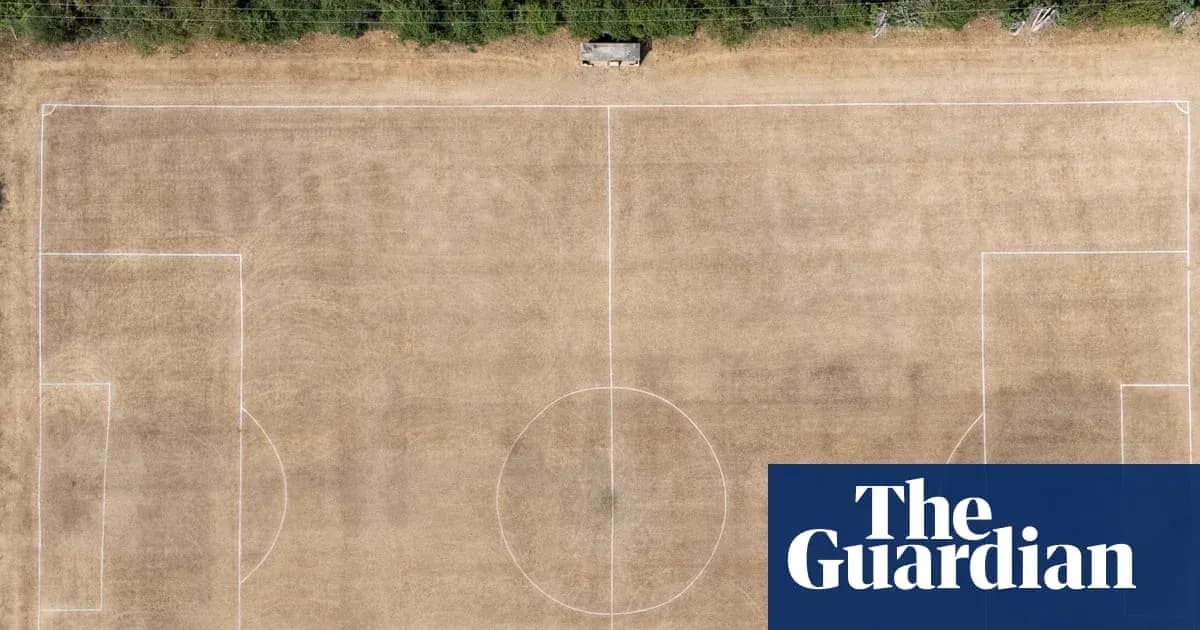
Weeks of record-breaking heat and almost no rain have turned the grass surfaces into concrete. Pre-season friendlies have been scrapped up and down the region, and the games that did go ahead have already produced “many injuries”.
Faced with that, the league’s board voted unanimously to step in.
In a statement to clubs, players and officials, league chair Dale Brown set out the stark picture. This has been “the driest and hottest July since records began in 1836”, he said, and “most of our league clubs pitches are grass and the ground conditions are extremely dry and pitches rock hard.”
That is not just an inconvenience. At this level, where many players head straight from work to games and back again, a twisted ankle or impact injury on a baked surface can mean weeks off the job, not just out of the team.
Player welfare over fixture lists
Brown admitted the call would not be universally popular. “This was a very difficult decision to reach and one that will not please all clubs,” he said.
Some sides will have spent the summer building momentum, recruiting, plotting a fast start. Others rely on early-season home gates and bar takings to balance the books. A blank August weekend is not what anyone had planned.
But the board has nailed its colours to the mast: “The rationale behind this decision is to protect the welfare of players, officials and all associated with the match day.” In an era when the professional game talks constantly about player welfare, a grassroots league has just drawn a clear line in the dust.
A parched backdrop
The Anglian Combination’s move comes against a backdrop of extreme conditions across England and Wales. A series of heatwaves and exceptionally low rainfall have left large swathes of the country visibly scorched.
Record temperatures hit in May and June. July went down as the driest since records began. A formal drought was declared in half of England last month, prompting hosepipe bans from several water companies. Anglian Water, which covers Norfolk and Suffolk, has enforced its ban since 11 July.
The impact is obvious from above. Aerial images show parks and community sports fields bleached brown, with only pockets of green at golf clubs, some sports facilities and private schools – beneficiaries of controversial exemptions from the hosepipe restrictions.
At grassroots level, that contrast bites. While some manicured surfaces stay lush, village pitches and municipal grounds are left to bake.
No relief in sight
There is little immediate hope of nature offering a reprieve. The Met Office expects another heatwave next week, with temperatures forecast to climb to 36C in parts of East Anglia and south-east England by Thursday. Humidity is likely to rise, but the one thing everyone is waiting for – sustained rain – remains absent from the forecast.
So the league waits. Groundsmen wait. Players wait.
The Football Association, for its part, has no central record of how many competitions have been forced to delay their seasons because of the drought. It has left decisions to individual leagues and county FAs, which throws the scale of the Anglian Combination’s step into sharper focus. This is not a directive from above; it is a local league reading the ground under its boots and acting.
For now, the fixture lists sit on hold, the pitches crack under the sun, and an amateur competition that has weathered countless winters finds itself beaten, temporarily, by an English summer. The real question is how many more leagues will have to follow before the first whistle of the new season is finally heard.