Aarhus vs Benfica: Key Tactical Insights for UEFA Europa League
Aarhus host Benfica at New Vejlby Stadium in the second leg of a UEFA Europa League play-off tie, needing a major turnaround after losing the first leg in Lisbon; the seasonal weight is huge for both clubs, with group-stage qualification and the associated revenue and prestige on the line, and for Aarhus in particular this game effectively defines whether their European campaign extends into the autumn or ends in August.
Head-to-Head Tactical Summary
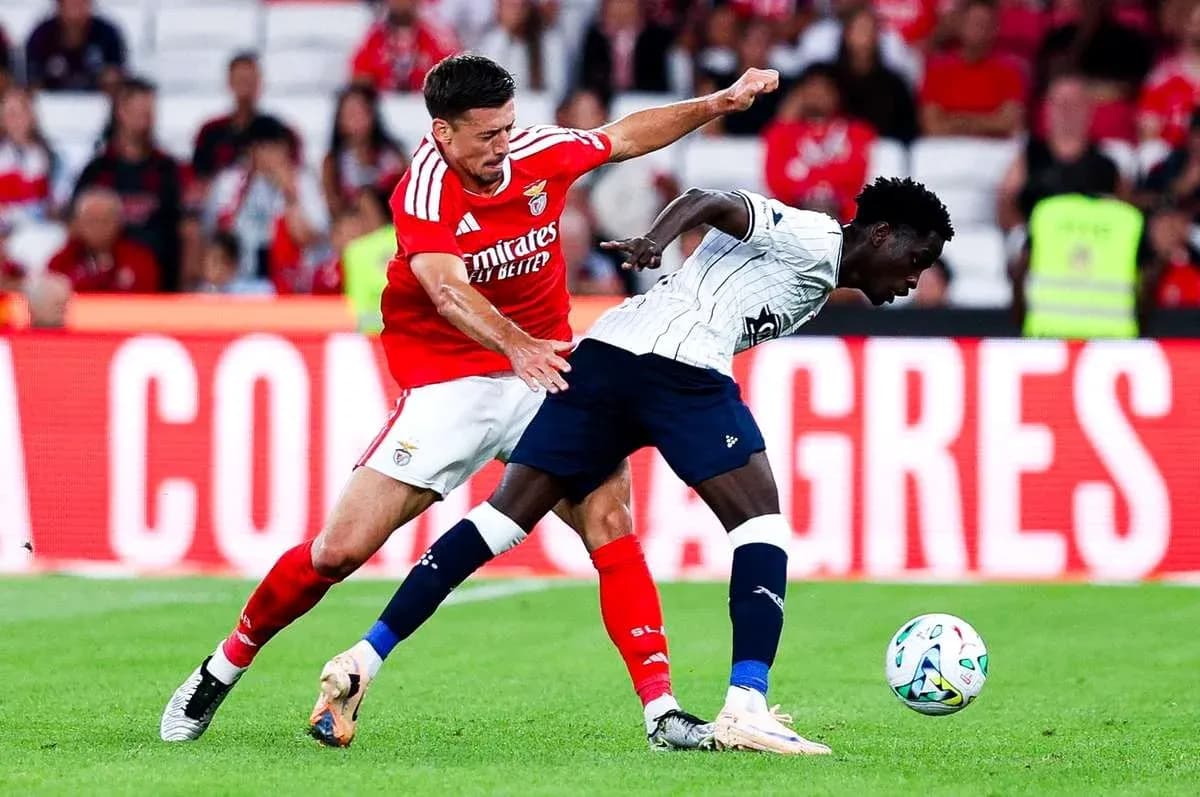
The only recent meeting between these sides came on 20 August 2026 in the first leg of this play-off at Estádio da Luz, where Benfica, playing at home, beat Aarhus 3-1. The half-time score was also 3-1, underlining how aggressively Benfica started. Tactically, Benfica’s ability to score three times before the interval against a back three (Aarhus lined up in a 3-5-2 in this Europa League campaign) suggests they consistently found overloads between the lines and wide, while Aarhus at least showed they can create and score away from home, which is critical for their comeback hopes in the return leg.
Global Season Picture
- League Phase Performance: There is no group-stage standings data yet for either Aarhus or Benfica in the 2026 Europa League, as this tie is part of the play-off round. Aarhus have played one Europa League match so far, losing 3-1 away, scoring 1 goal and conceding 3 across that game. Benfica have played five Europa League matches in total in this phase of their campaign, scoring 16 goals and conceding 5, but their exact points and ranking will only be defined once the group stage begins.
- Season Metrics: In the league phase of this Europa League campaign, Aarhus have been fragile defensively, conceding 3 goals in their only match while scoring 1, and collecting a single yellow card late in the game, which hints at pressure building in the closing stages. Benfica, across their five Europa League fixtures, have averaged 3.2 goals scored per match and 1.0 conceded, with a strong home attacking output (4.7 goals per home game) and a more controlled defensive record. Their card profile shows yellow cards spread across most 15-minute segments, indicating sustained defensive engagement but no red cards, which points to disciplined aggression. Possession and xG data are not available, but the high scoring rates and limited goals conceded suggest Benfica are turning their attacking phases into clear chances efficiently while keeping defensive structure largely intact.
- Form Trajectory: Aarhus’ Europa League form string is “L”, reflecting a single defeat so far in continental competition; they enter this second leg under immediate pressure, with no prior positive result to lean on. Benfica’s form line of “LWWDW” shows a broader arc: an initial loss followed by two consecutive wins, then a draw and another win. That pattern indicates early adjustment issues but a strong subsequent response, with only one defeat in their last four Europa League outings and the momentum of the recent 3-1 home victory over Aarhus.
Tactical Efficiency
Without explicit numerical attack and defense indices from the comparison data, the tactical efficiency picture must be inferred from the Europa League statistics. Benfica’s attacking profile is clearly superior at this stage: 16 goals in 5 matches, including a 6-1 home win in their biggest victory, shows they can dismantle opponents when their positional play clicks. Their away attack is more modest (2 goals in 2 games), which slightly tempers expectations for this leg, but the first-leg 3-1 suggests they match up well against Aarhus’ back three. Defensively, Benfica have conceded only 5 goals in those 5 games, with one clean sheet and no match where they completely lost control at home; their average of 1 goal conceded per game is compatible with a side that presses high and accepts some risk but generally manages transitions well. Aarhus, by contrast, have conceded 3 goals in their only Europa League outing and have yet to keep a clean sheet in this competition, while their use of a 3-5-2 suggests they try to gain central control and wing-back width but can be exposed in the channels against a team with Benfica’s wide quality. Card patterns reinforce this: Aarhus’ lone yellow card came late (76–90 minutes), hinting at late-game strain, whereas Benfica’s bookings are distributed more evenly, consistent with sustained pressing and duels throughout the match. Overall, Benfica’s season metrics point to a higher tactical ceiling and more efficient execution in both boxes, leaving Aarhus needing not just greater attacking risk at home but also a much cleaner defensive display to have any chance of overturning the aggregate deficit.
The Verdict: Seasonal Impact
This second leg is season-defining for Aarhus: overturning a 3-1 deficit against a high-scoring Benfica would not only deliver Europa League group-stage football but also reshape the club’s European profile and financial outlook for 2026, potentially attracting better talent and justifying a more ambitious tactical project. Failure to progress would confine their European campaign to a brief August chapter, forcing them to refocus entirely on domestic objectives and treating this tie as an expensive learning experience about the intensity required at this level. For Benfica, successfully managing the aggregate lead and advancing would be the expected outcome for a club of their stature; it would confirm that their early-season loss in Europe was an outlier and that their “LWWDW” trajectory reflects a stable, upward trend heading into the group stage, where seeding and long-term title-contender status in the competition are shaped. An unexpected elimination, however, would be a major shock: it would abruptly remove them from the Europa League title conversation, raise questions about their defensive robustness away from Lisbon, and put additional pressure on domestic competitions to salvage the season’s narrative. In strategic terms, the result will either validate Benfica as a credible deep-run candidate or elevate Aarhus into one of the surprise stories of European football in 2026.