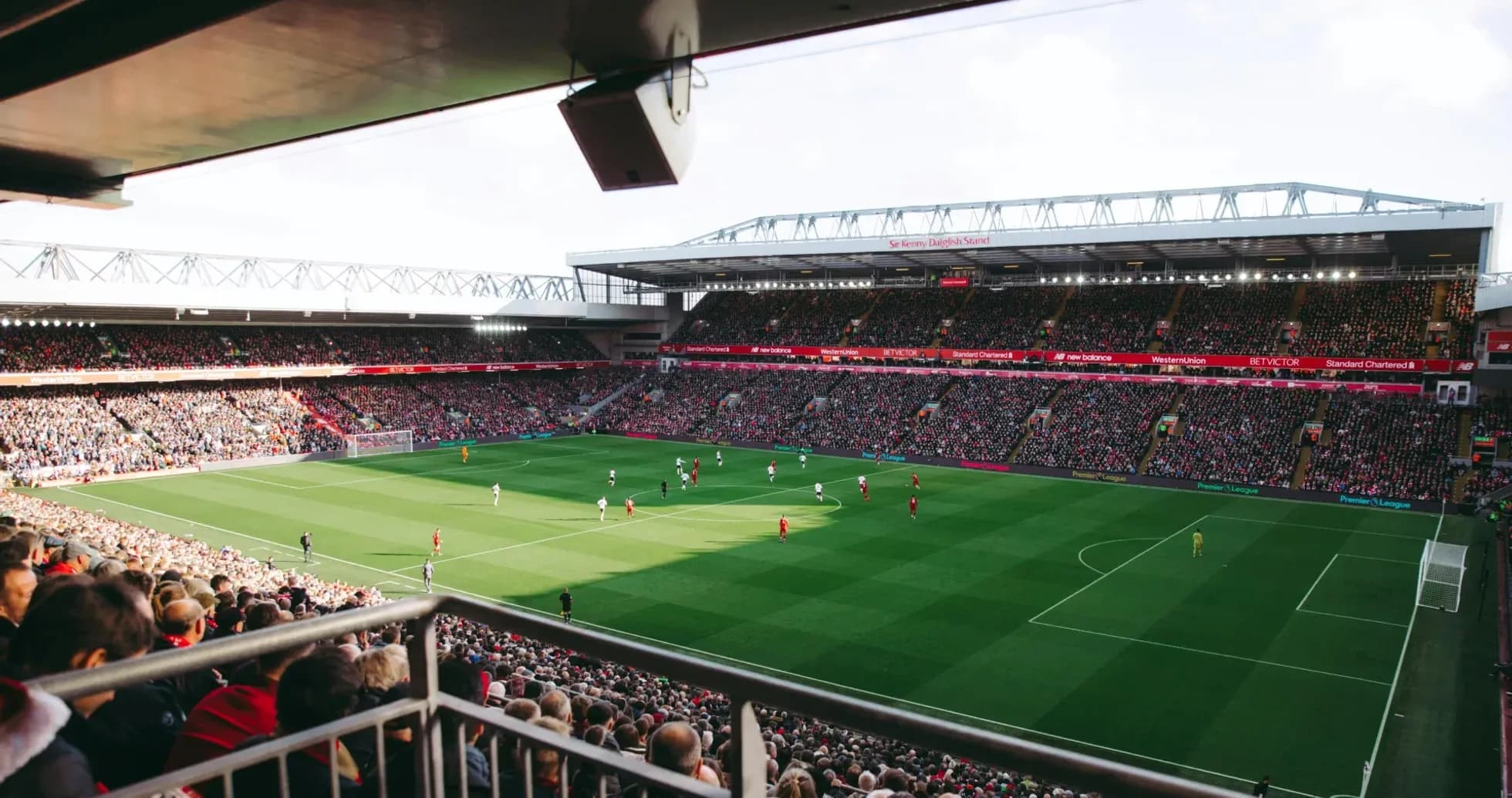
Wolves vs Fulham: Survival Showdown at Molineux
In 2026 this is a high‑pressure late‑season league fixture at Molineux Stadium: Wolves, bottom of the Premier League in 20th with 18 points and locked in the relegation zone, host mid‑table Fulham, 11th with 48 points, in Regular Season Round 37. For Wolves it is a survival‑defining game; for Fulham it is more about securing a solid top‑half finish than chasing Europe.
Head-to-Head Tactical Summary
The recent Premier League head-to-head record is finely balanced but venue-dependent. On 2025-11-01 at Craven Cottage, Fulham beat Wolves 3-0 (HT 1-0), showing clear attacking superiority at home. Earlier in the 2024 season, Wolves took a 1-0 lead at Molineux on 2025-02-25 (HT 1-1) but Fulham turned it around to win 2-1, underlining their threat in transition even away.
On 2024-11-23 at Craven Cottage, Wolves produced a standout away performance, winning 4-1 after a 1-1 first half, demonstrating that they can punish Fulham when space opens up. Back at Molineux on 2024-03-09, Wolves edged a tight contest 2-1 against Fulham (HT 0-0), reflecting a more controlled, cagey pattern. The earliest listed meeting, on 2023-11-27 at Craven Cottage, ended 3-2 to Fulham (HT 1-1), another open game where Fulham’s home attack ultimately outscored Wolves. Overall, Fulham have taken the majority of points at Craven Cottage, while Molineux has produced much closer, marginal contests.
Global Season Picture
- League Phase Performance:
In the league phase, Wolves are in deep trouble: 20th with 18 points from 36 games, only 3 wins, 9 draws and 24 defeats, and a goal difference of -41 (25 goals for, 66 against). Their home record at Molineux (3 wins, 4 draws, 11 losses; 18 scored, 33 conceded) is weak for a side needing it to be a fortress.
Fulham sit 11th with 48 points from 36 games, with 14 wins, 6 draws and 16 losses, and a goal difference of -6 (44 goals for, 50 against). They are strong at Craven Cottage (10 wins, 2 draws, 6 losses; 28 for, 20 against) but more fragile away (4 wins, 4 draws, 10 losses; 16 for, 30 against), suggesting a clear home/away split in performance. - Season Metrics:
In the league phase, Wolves’ numbers describe a blunt attack and leaky defense. They average 0.7 goals scored per game (25 in 36) and 1.8 conceded per game (66 in 36). At home they score 1.0 per game (18 in 18) and allow 1.8 (33 in 18). They have failed to score in 19 of 36 matches and kept only 4 clean sheets, which supports the view of a low‑output attack and porous defense (0.7 goals for, 1.8 against, 19 games without scoring, 4 clean sheets). Discipline is an issue, with a heavy yellow‑card load peaking between minutes 46‑60 and a spread of red cards across the middle phases of matches. - Season Metrics (Fulham):
In the league phase, Fulham are more balanced but still imperfect. They average 1.2 goals scored per game (44 in 36) and 1.4 conceded (50 in 36). At home they are more productive (1.6 for, 1.1 against) than away (0.9 for, 1.7 against), underlining their drop‑off on the road. They have 8 clean sheets and have failed to score 11 times, indicating a mid‑table attack and defense rather than elite levels. Their disciplinary profile shows consistent yellow cards late in games, with a single red card in the 46‑60 range hinting at occasional over‑aggression when chasing or protecting results. - Form Trajectory:
Wolves’ recent league form string of “LDLLL” confirms a severe slump: one draw followed by four defeats. Combined with their longer form sequence (long losing streaks and very few wins), the trajectory is sharply downward, with confidence and resilience clearly eroded.
Fulham’s “LLWDL” shows inconsistency: three losses in the last five but with a win and a draw mixed in. This is classic mid‑table volatility—capable of good performances but lacking sustained momentum. They are not in freefall, yet they are far from their best stretch of the season.
Tactical Efficiency
In the league phase, Wolves’ attacking efficiency is low: 25 goals from 36 matches and an average of 0.7 per game underline how rarely they convert pressure into goals. Their defensive efficiency is also poor, conceding 1.8 per match and keeping only 4 clean sheets, which forces them to chase games more often than not. This combination points to a side that struggles both to create and to protect leads, and whose tactical flexibility (multiple formations used, from 3-4-2-1 to 4-3-3 and 5-3-2) has not yet found a stable, effective balance.
Fulham, by contrast, show a more coherent tactical profile. With 44 goals (1.2 per game) and 50 conceded (1.4 per game), they are close to league average in both phases. Their 8 clean sheets suggest that when their structure is right—typically in a 4-2-3-1—they can control games, especially at home. Away from home, however, the jump to 1.7 goals conceded per match and the drop to 0.9 scored indicate that their attacking patterns are less efficient and their defensive block more exposed on the road.
From a comparative “Attack/Defense Index” perspective, Wolves enter this match with one of the weakest combined profiles in the division: low scoring rates, high concession rates, and frequent failures to score. Fulham’s index would sit around mid‑table—better attacking and defensive returns than Wolves, but not at a top‑six level—yet their away split drags that efficiency down when they travel. That makes Fulham the more likely side to control the game’s rhythm, but it also leaves a window for Wolves if they can exploit Fulham’s away‑day looseness at the back.
The Verdict: Seasonal Impact
For Wolves, the seasonal impact is stark: anything short of a win keeps them firmly on course for relegation. With only 18 points from 36 games and a huge negative goal difference, they are already in a position where survival likely requires back‑to‑back wins and help from elsewhere. Beating Fulham at Molineux would not guarantee safety, but it is the minimum requirement to keep any realistic chance alive going into the final round. A draw would be functionally catastrophic, and a defeat would almost certainly confirm their drop to the Championship given their goal difference and lack of form.
For Fulham, this fixture is about consolidating their status and shaping the narrative of their 2026. A win pushes them closer to or above the 50‑point mark and keeps them in range of a top‑half finish, which would validate their overall tactical approach despite recent inconsistency. Dropped points, especially a defeat, would not drag them into a relegation fight, but it would likely confine them to a lower‑mid‑table finish and raise questions about their away resilience and game management against struggling sides.
Looking forward, the outcome will heavily colour both clubs’ off‑season decisions. A Wolves relegation would trigger a reset of squad and tactical identity after a year of chronic underperformance (0.7 goals for, 1.8 against). A Fulham win and solid final position would support incremental strengthening rather than overhaul, with a clear focus on translating their home effectiveness into a more robust away blueprint. In short: this match is a survival lifeline for Wolves and a structural benchmark for Fulham’s ambitions to move from mid‑table to genuine top‑half contenders in the next Premier League campaign.