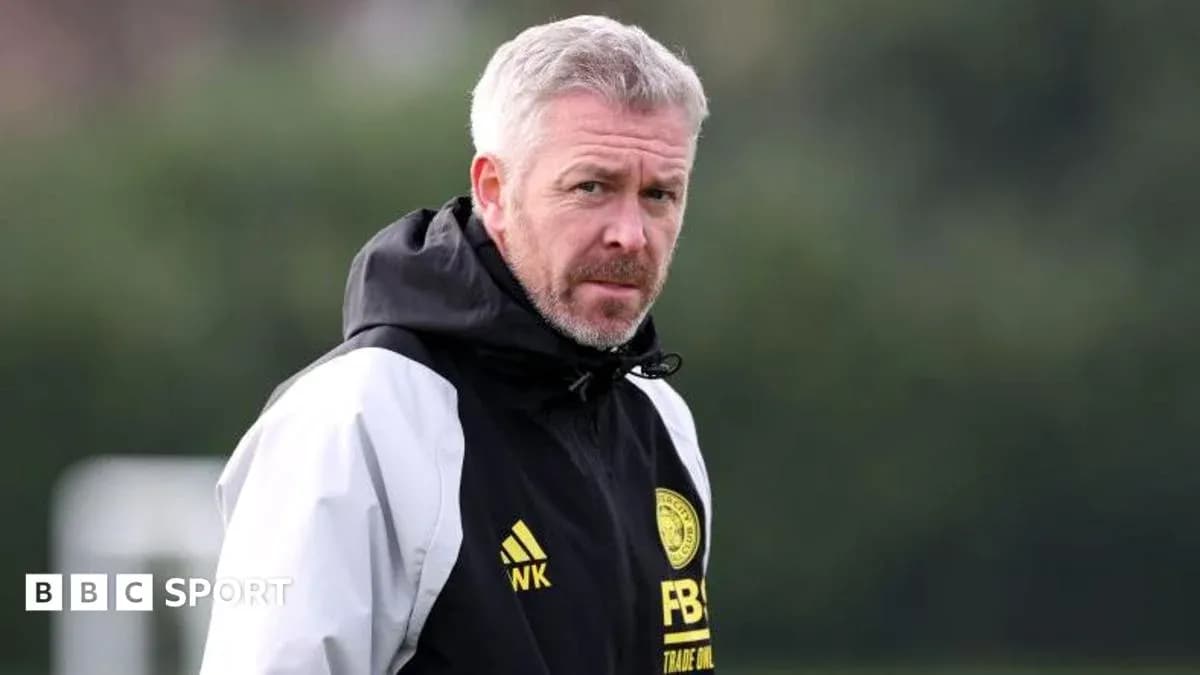
Willie Kirk Returns to English Football Amid Controversy
Willie Kirk has returned to English football, and he has done so in the shadows of one of the most contentious issues in the women’s game.
Durham have named the 48-year-old as head coach of their Women’s Championship side, his first role in England since being sacked by Leicester City Women in March 2024 for breaching the club’s code of conduct by entering into a physical relationship with a player.
The club’s announcement was brief. It focused on the future, on the project, on the pitch. It did not mention Leicester. It did not mention the investigation. It did not mention why a coach with Premier League-level experience had been out of work in England for two years.
The context, though, is unavoidable.
Leicester dismissed Kirk after an internal investigation concluded he had been in a relationship with a player, in direct breach of the standards set out in the club’s code of conduct. The rules around safeguarding and conduct are not a mere formality in the women’s game; they are a condition of holding a Women’s Super League licence. Every club is required to have a safeguarding officer. Every club is expected to have clear boundaries between staff and players.
Relationships between consenting adults are not illegal, and that remains true here. No minors were involved. But legality is not the only question facing women’s football.
Power is.
Player-coach relationships have come under intense scrutiny across the sport for the way they can distort dressing-room dynamics and expose young players to risk. The imbalance is obvious: one person picks the team, controls minutes, influences careers; the other fights for a place, a contract, a future.
It is why leading voices in the game have spoken out. England manager Sarina Wiegman has been unequivocal, labelling such relationships “very inappropriate” and “not healthy”. Her words landed heavily at the time. They resonate even more when a coach previously removed for breaching conduct rules steps back into a prominent role.
Durham’s statement did not address any of that. No reference to the Leicester findings, no explanation of the safeguards now in place, no attempt to publicly reassure players or supporters. The silence is as notable as the appointment itself.
Away from the headlines, the regulatory framework is clear. Codes of conduct governing relationships and professional behaviour are baked into the licensing system that underpins the WSL and the wider women’s pyramid. The Football Association expects clubs to enforce them. The Professional Footballers’ Association has pushed for stronger protections and clearer reporting lines.
Those bodies are now part of the conversation. BBC Sport has approached Durham, the FA and the PFA for comment on the appointment and the processes around it. Their responses, or lack of them, will help define how this move is viewed: a second chance under strict scrutiny, or a worrying step backwards in a sport still trying to protect its players from abuses of power.
On the pitch, Durham gain an experienced coach with top-flight pedigree. Off it, they inherit a story that reaches far beyond results and league tables.
The question now is not just how Willie Kirk’s team will play, but what standards the women’s game is willing to enforce when the pressure to win collides with the duty to protect.