
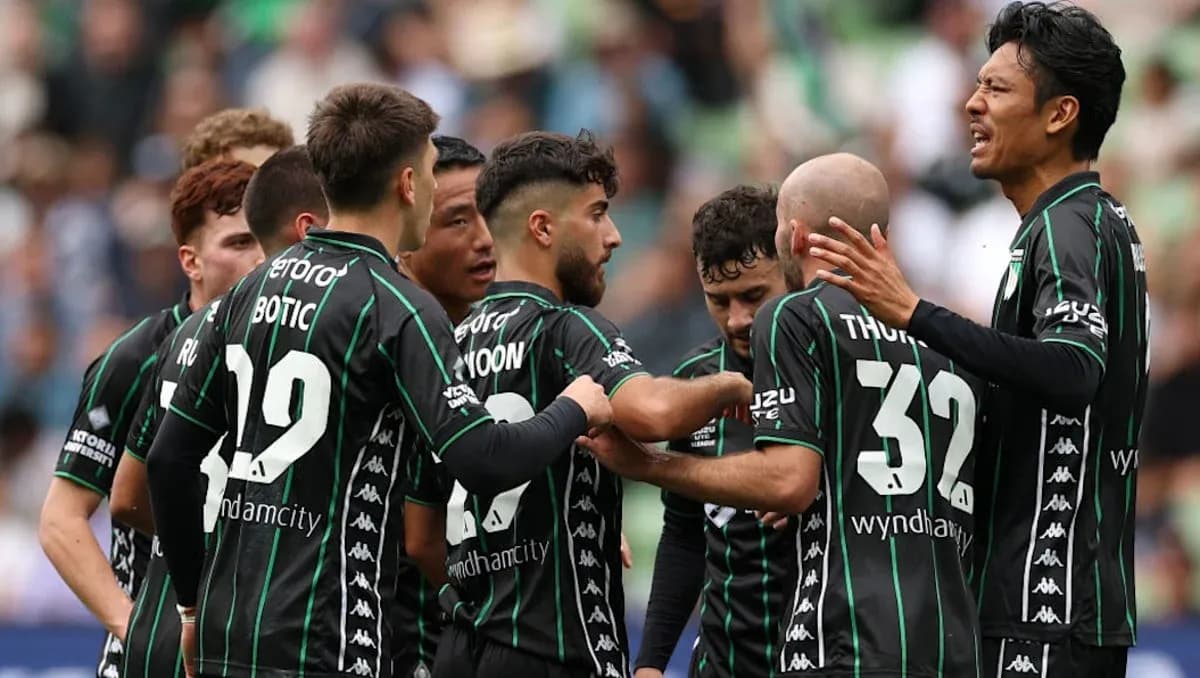
Western United's A-League Licence Termination Marks New Chapter
Western United’s time in the A-League is over. Officially, finally, and with a brutal clarity that no amount of optimistic language can soften.
On Monday, the Australian Professional Leagues (APL) confirmed the club’s A-League Men and Women licences had been terminated after Western United was found to be “in breach of a number of its obligations” under a conditional hibernation agreement struck in September last year.
The decision shuts the door on any immediate return to the national competitions and underlines just how far the club has fallen since its early promise and 2022 championship high.
Licence gone, debts looming
Western United’s fight for survival had been hanging by a thread for months. The club lost its licence with Football Australia and was placed into liquidation late last year under the weight of a reported $15 million tax debt.
Executives scoured the market for a lifeline, chasing a takeover from an American investment group and exploring what they described as “all avenues” to keep the club alive at elite level. No deal arrived. No saviour emerged.
Once the licence vanished and the liquidators stepped in, the writing was effectively on the wall. Monday’s announcement simply made it official.
The APL, in its statement, acknowledged the effort but not the outcome.
They noted that Western United had tried to work “through financial, governance and legal matters to try and rebuild the club”, yet the conditions of the hibernation agreement were not met. The league had run out of road.
“It’s been a difficult period for everyone connected to Western United – and we want to acknowledge the management, staff, players and especially the fans – who have given so much to the club and will no doubt be hurt by this news,” APL chairperson Stephen Conroy said.
Players gone, coach gone, dream fading
The unraveling began long before Monday’s final blow.
When the club was placed into hibernation last year, every Western United player instantly became a free agent. The squad scattered, contracts effectively wiped away. For a club preaching resurrection, it was a stark reality check.
On the touchline, the figurehead had already moved on. John Aloisi, the coach who guided Western United to its greatest on-field success, departed in January, signing a deal to take charge of Chengdu Rongcheng FC in China. The face of the project had left the building.
With no coach, no players, and no licence, Western United’s elite footprint has been erased, at least for now.
Club turns to spin – and the future
Publicly, the club refused to frame the day as an ending.
In the wake of the APL announcement, Western United released a statement that tried to tilt the story toward hope rather than closure.
“Today marks a significant moment in our history and the beginning of a new chapter,” the club wrote.
They stressed that, over recent months, they had been working closely with the APL “on a pathway that gives the club the best opportunity to survive, rebuild and return to the A-League under new ownership”.
The language was deliberate: “new custodians, new investment and a fresh start”. The target is clear as well – a push to re-enter the A-League for the 2027/28 season.
Identity on the line
For now, Western United exists more as an idea than a fully functioning professional club. Its leaders insist that idea still matters.
“The objective must now be to preserve Western United’s identity in Melbourne’s west and work towards a return to the A-League for the 2027/28 season,” the statement continued.
The club outlined a new priority: building a sustainable model in conjunction with the APL, Wyndham City Council, various levels of government, prospective owners and the broader football community.
“This should not be the end of Western United. It should be the reset that allows the club to rebuild and return stronger,” the club added.
The licence is gone. The debt remains. The stadium dream and the grand plans are parked.
What’s left is a badge, a fanbase in Melbourne’s west, and a promise that this is a pause rather than a full stop.
By 2027/28, the A-League will reveal whether that promise was genuine ambition or just the final act of defiance from a club fighting to stay relevant.




