
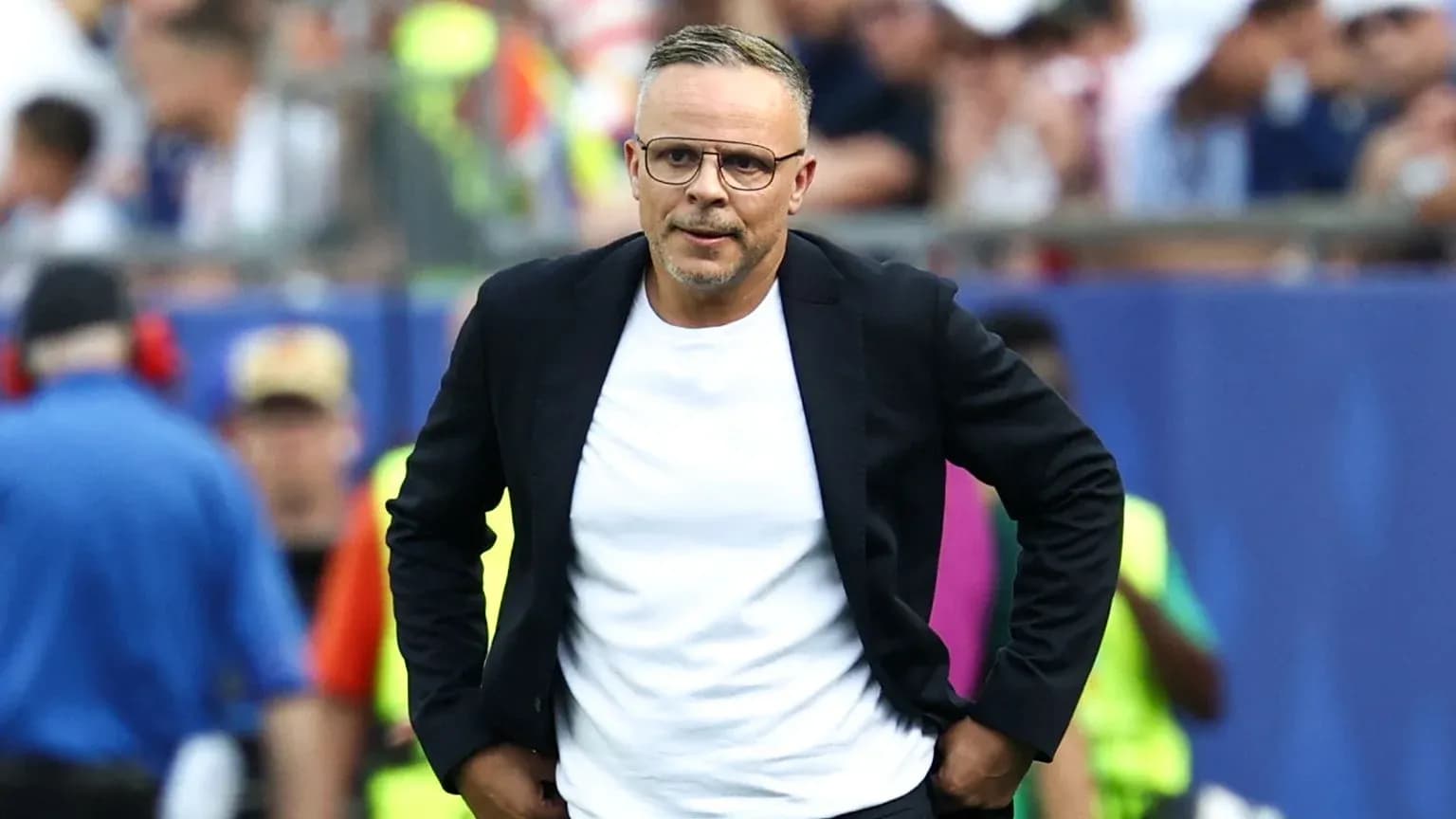
Walid Ouahbi's Response to Controversial Loss Against France
Walid Ouahbi left the pitch still burning from the controversy that shaped the night.
The Morocco coach was adamant that France’s opening goal should never have stood, pointing directly at what he saw as a clear handball by Adrien Rabiot in the buildup before Kylian Mbappé lashed the ball past Yassine Bounou.
Ouahbi’s players hesitated for a split second, expecting the whistle. It never came.
“The goal came from a bit of a... shared ball, some people stopped because they saw a handball,” he told beIN Sports, still replaying the moment in his mind. “It was a handball, I don’t know if it should have been called or not, I don’t know.”
The damage, though, was already done. France had their lead, Morocco had their grievance, and the rest of the game unfolded under that shadow.
Respect for France, resolve for Morocco
Ouahbi did not hide behind the incident. He refused to reduce the defeat to a single refereeing decision, instead underlining the gulf in experience and the quality of the opposition.
“We have to admit that we played against a very good team,” the 49-year-old said. Morocco were stretched to breaking point in the first half, pinned back and forced into desperate defending as France pressed and probed.
They survived in large part thanks to Bounou. The goalkeeper’s save from the penalty spot kept Morocco alive and gave them a foothold when the game threatened to run away from them.
“We suffered a lot in the first half, and Bounou made a great save on the penalty,” Ouahbi noted. At times, it looked like his side were simply trying to catch their breath. Some players, he admitted, never quite found their rhythm before the interval.
The response after the break, though, changed the tone. Morocco stepped higher, used the ball with greater calm, and began to stitch together the kind of passing sequences that had been missing early on.
“In the second half, we defended better and, above all, we were more composed with the ball. We were much better,” he said. The same players who had laboured through the opening 45 minutes came out with renewed energy, sharper in the duels and more confident in possession.
The improvement was obvious. The result was not.
Building depth from disappointment
As the clock wound down, the game tightened. Morocco pushed, France resisted, and the tension rose with every challenge. By the final minutes, it had become a test of will as much as quality.
“It was tough at the end,” Ouahbi admitted. The disappointment in his voice was clear, but so was the conviction. This was not a coach ready to let one night define his project.
“I believe we must continue to believe, to work,” he said. The message was aimed as much at his dressing room as anyone watching on. For Ouahbi, the lesson from this defeat lies not only in tactics or technique, but in the squad’s ability to absorb setbacks and grow stronger.
He spoke candidly about the need to expand Morocco’s options, to ensure the team can cope when injuries bite or when key players fade late in games. “We must also continue to work on the basics, ensuring that when there are injuries, players who are less fresh, we can have a larger pool of players.”
The ambition remains intact. The frustration too.
“We will continue, we will not stop here,” he insisted. “We are very disappointed, we wanted more, but we have to accept it.”
The handball debate will linger. The tape will be rewound, the incident scrutinised from every angle. Ouahbi, though, has already fixed his gaze on something else: turning this sense of injustice into the fuel for a deeper, stronger squad that will not stop at the first setback—or the first whistle that doesn’t go their way.




