UEFA Champions League Play-Off: Celje vs Slovan Bratislava
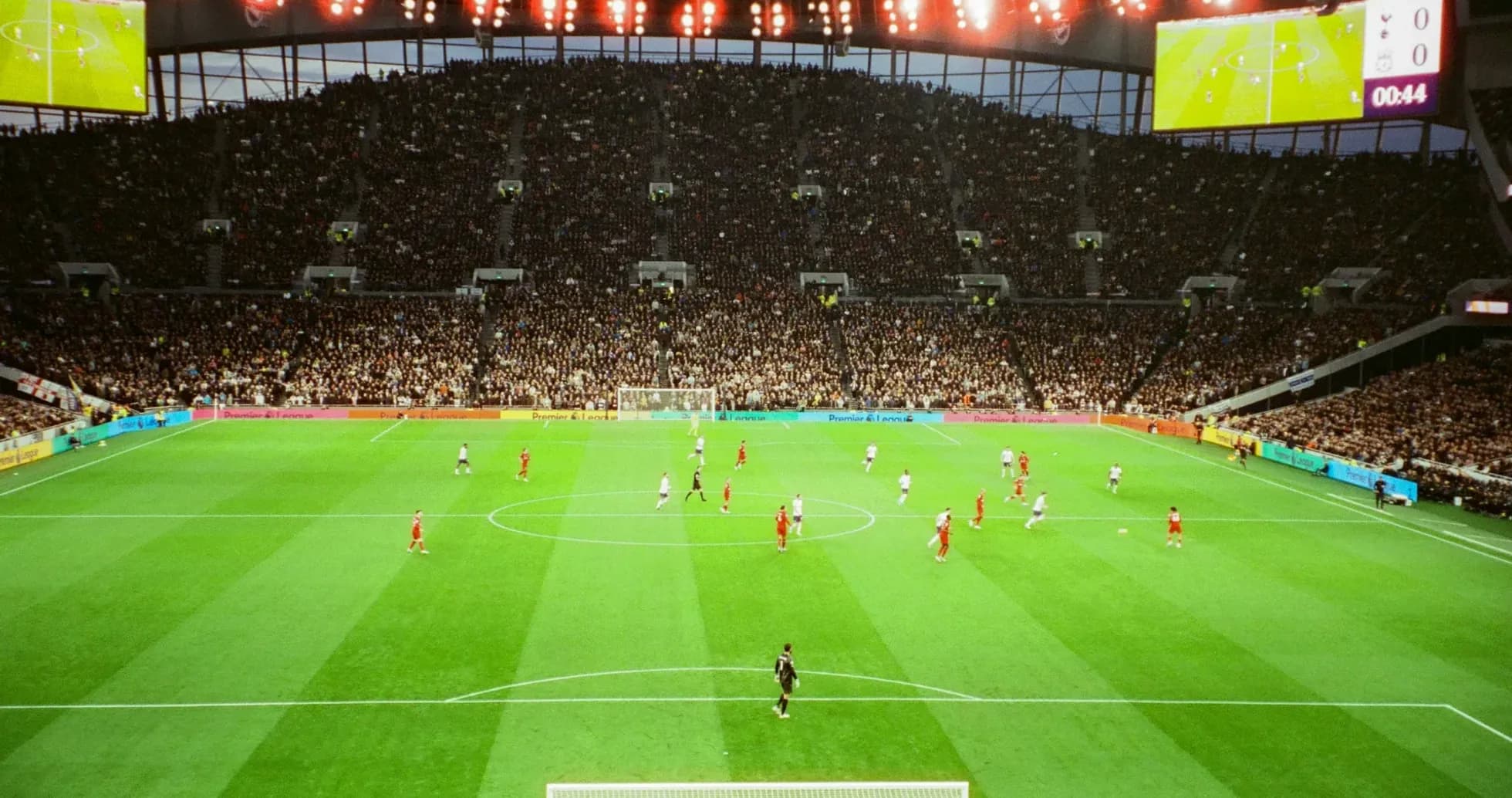
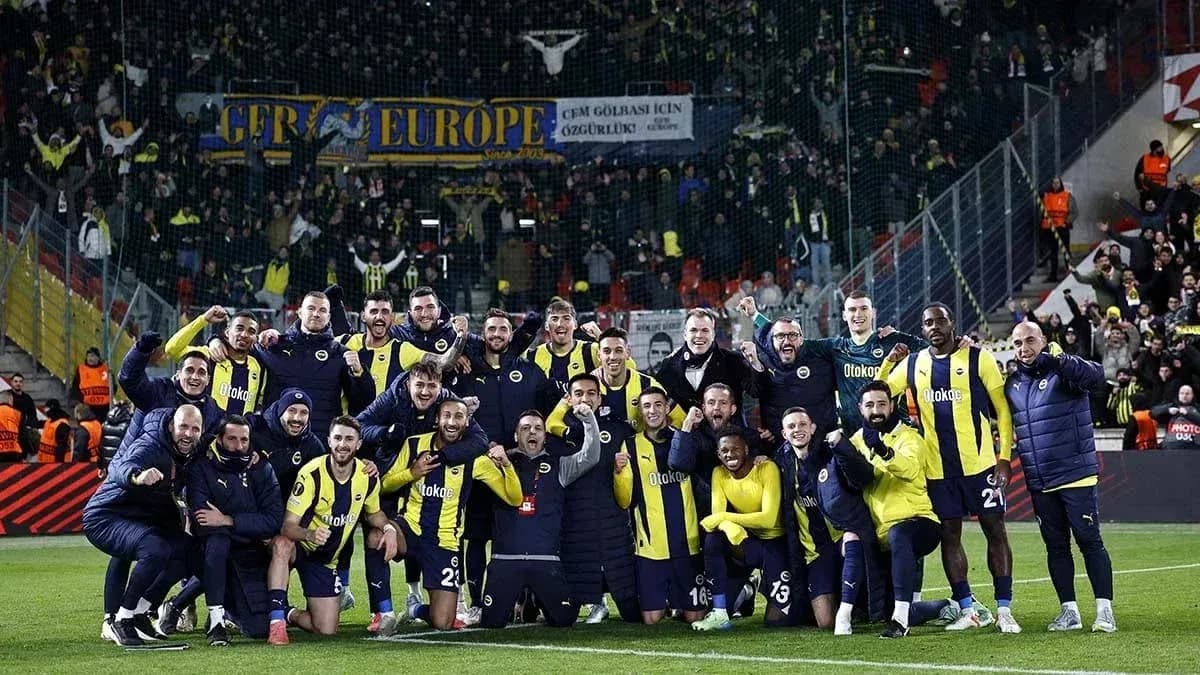
This UEFA Champions League play-off second leg in Celje is a high-stakes gateway to the group stage: Celje host Slovan Bratislava after a 1-1 draw in Slovakia, with the tie finely balanced and a place in Europe’s elite phase – and its financial and sporting upside – on the line.
Head-to-Head Tactical Summary
The sides have met three times recently, all in Champions League qualifiers. On 24 July 2024 in Celje, they drew 1-1 in the 2nd Qualifying Round, with Celje as hosts and the score 1-1 at half-time and full-time. On 30 July 2024 in Bratislava, Slovan dominated the return leg, winning 5-0 at home after leading 2-0 at half-time. Most recently, on 19 August 2026 in Bratislava in this play-off tie, they again finished 1-1, with Slovan at home and the match level 1-1 at half-time and full-time. The pattern is clear: Celje have been competitive at home, while Slovan’s only decisive win came on their own ground.
Global Season Picture
- League Phase Performance: There is no current group-stage standings data for either side in this Champions League campaign, as they are still in the play-off round and have not yet entered the league-style group phase.
- Season Metrics: In the league phase context of this competition so far, Celje have played 5 matches, winning 2, drawing 2 and losing 1, with 10 goals scored and 8 conceded. That reflects a relatively open profile: strong attacking output (2.0 goals per match) but slightly vulnerable defensively (1.6 conceded per match). Slovan Bratislava have also played 5 matches, with 3 wins and 2 draws, remaining unbeaten. They have scored 8 goals (1.6 per match) and conceded only 3 (0.6 per match), indicating a more controlled, defensively solid approach with efficient scoring rather than volume. Both teams have yet to fail to score in this run, highlighting that their offensive structures are consistently creating and converting chances. Discipline-wise, Celje’s yellow cards are concentrated in the final half-hour, suggesting increased risk when chasing games, while Slovan’s cautions are more evenly spread across the first and second halves, reflecting steady but controlled aggression.
- Form Trajectory: Celje’s form line of DWLWD shows inconsistency: they mix wins with draws and a single defeat, suggesting volatility in performance levels and game control. Slovan Bratislava’s WDWWD sequence underlines a more stable upward trajectory – unbeaten, with three wins and two draws – pointing to a team that manages two-legged ties well and rarely lets matches slip away.
Tactical Efficiency
Across this qualifying campaign, Celje’s numbers point to a front-foot approach: high scoring in both home and away fixtures, but with a defence that can be exposed, especially outside Celje where they concede an average of 2.0 goals. Their flexibility in formations (4-3-3, 4-4-2, 3-4-3, 4-2-3-1) suggests a willingness to adapt structure to opponent and game state, but that tactical variability can come at the cost of defensive cohesion.
Slovan Bratislava, by contrast, show a more balanced tactical efficiency. They typically operate from a stable 4-3-3 base, supplemented occasionally by 3-5-2 and 4-1-4-1, which supports both compact defending and controlled possession phases. Conceding only 3 goals in 5 matches, and keeping two clean sheets, underlines a defensive block that travels well: they allow just 0.5 goals per game away from home while maintaining a 2.0 goals-per-game output on the road. This combination of conservative risk management at the back and efficient finishing up front makes them structurally suited to tight knockout ties, where away resilience and moments of quality can decide progression.
The Verdict: Seasonal Impact
For Celje, progression here would be transformative: reaching the Champions League group stage would significantly elevate their European profile, secure major financial revenue, and provide a platform to retain and attract higher-calibre players. Failure to advance, especially after taking the tie home at 1-1, would represent a missed opportunity and likely push them into a lower-tier European competition, reducing both exposure and income for 2026.
For Slovan Bratislava, already unbeaten in this qualifying run, going through would reinforce their status as a consistent European presence and support a long-term strategy built on regular group-stage participation. Falling at the play-off hurdle after a dominant defensive campaign would be a clear setback: it would limit their ability to compete financially with regional rivals and could force a recalibration of squad building and tactical ambition. In pure seasonal terms, this second leg is a pivot point for both clubs – the difference between a year defined by Champions League nights and one spent recalibrating ambitions in secondary European competition.