Tottenham's Narrow Escape Leaves Questions After Draw with Leeds
Tottenham walked off to a murmur, not a roar. This should have been the night they tightened their grip on the season. Instead, a 1-1 draw with a sharp, stubborn Leeds United left the stadium heavy with that familiar north London feeling: it could, and probably should, have been so much better.
For an hour, Spurs did the hard part. They controlled long spells, carved out chances, and finally found a moment of rare, ruthless quality. Then they let it slip with one rash decision in their own box and a six‑minute VAR inquest that drained the life out of the place.
The table says it isn’t a disaster. The mood says otherwise.
Tel’s Thunderbolt, Then the Twist
Ange Postecoglou trusted the XI that dismantled Villa, and early on it looked like a sensible call. The game itself, though, never hinted at a stroll. Any notion that Leeds might be mentally checked out vanished inside the first 10 minutes. Compact, aggressive, and well-drilled, they pressed high and closed passing lanes into midfield. Spurs had to work for every yard.
Still, the openings came.
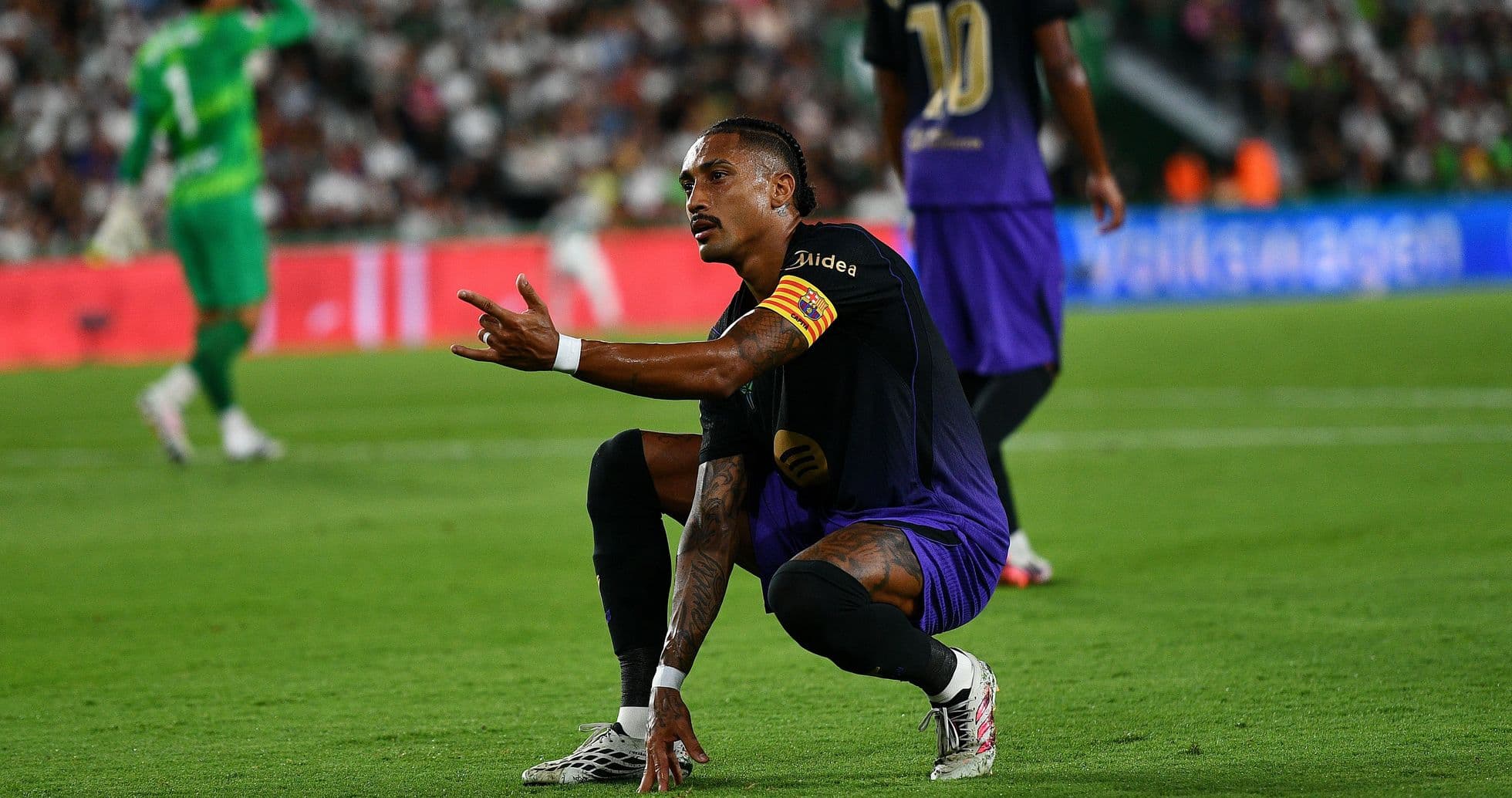
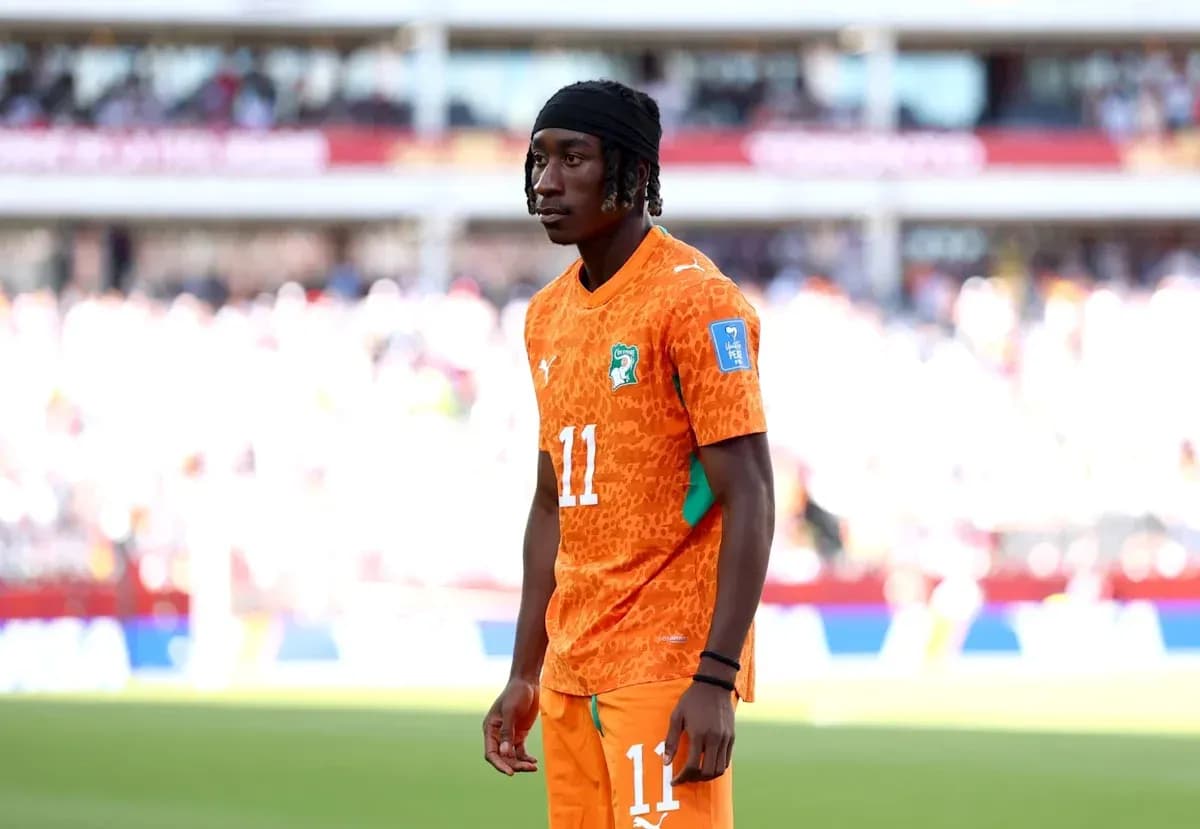
Richarlison got in behind from a gorgeous Pedro Porro ball, only to ruin it with a heavy touch. Randal Kolo Muani found clever pockets but never quite stitched the final action together. Time and again Tottenham slipped runners into space, only for the finish to misfire or the last decision to go missing.
At the other end, Kinsky produced the first of his big interventions, clawing away a close-range effort that looked destined to creep over the line. It kept Spurs level, but it also underlined the threat: Leeds weren’t here to make up the numbers.
The first half ended with Spurs on top, Leeds dangerous on the break, and VAR bailing Tottenham out by confirming offside before what looked suspiciously like a penalty shout against Danso. It was breathless, flawed, and finely balanced.
Then, finally, a clean strike cut through the tension.
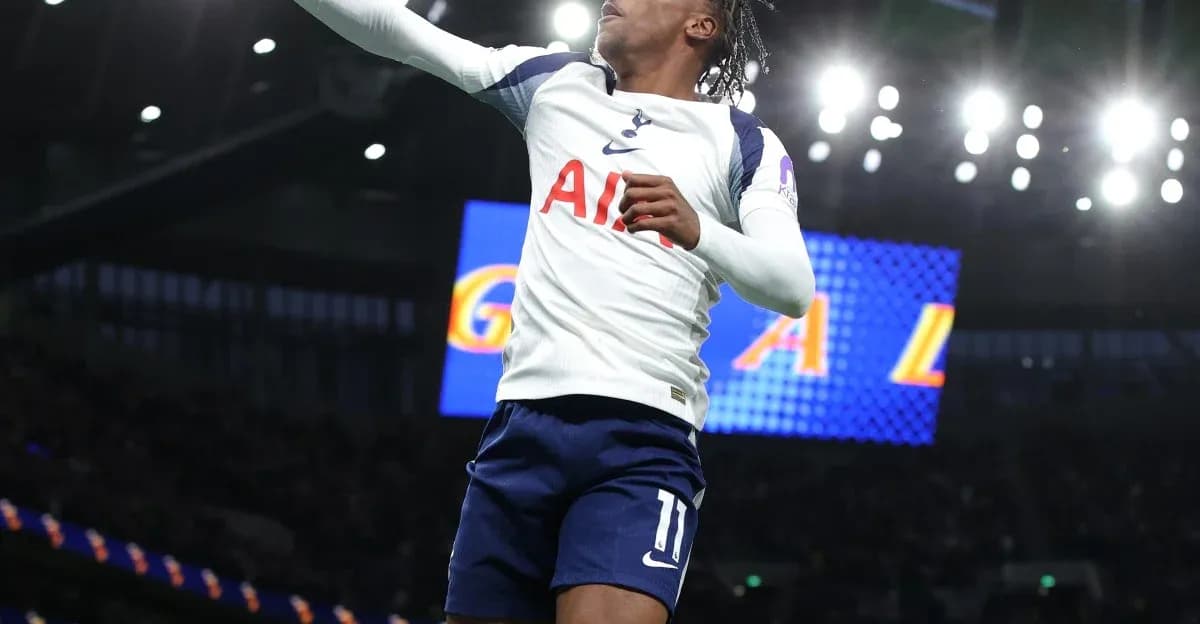
Early in the second half, Mathys Tel stepped into the spotlight he’d been circling all night. Picking up the ball in space, he wound up and unleashed the sort of shot he’s attempted all season without reward. This time it screamed into the top corner, an unstoppable rocket that left the goalkeeper motionless and the crowd erupting.
It was the finish of a player who believes every effort can be a highlight reel. For once, reality matched the ambition.
Spurs had their lead. They had momentum. They had Leeds wobbling.
They didn’t kill the game.
Chances Spurned, Punishment Delivered
Tottenham’s wastefulness became the story. Kolo Muani’s touch and movement often looked sharp until the crucial moment. Richarlison worked himself into good positions, pressed like a man possessed, and then kept missing the one thing that matters most: the net.
There were half-chances, then clear ones. A lovely layoff from Kolo Muani for Richarlison, a follow-up smashed over by Pombo. Crosses flashing across the six-yard box with no final touch. The kind of sequence that, when you’re chasing a season’s objective, you simply cannot afford to keep repeating.
Leeds hung in. They didn’t panic. They waited.
The turning point came from nowhere and everywhere at once: a routine defensive action turned self-inflicted wound.
Inside his own penalty area, Tel tried to clear with an overhead kick. He never saw Ethan Ampadu arriving, leaping to head the ball towards goal. Tel’s boot caught Ampadu in the head. No malice, no intent, just a reckless choice in the wrong place.
Play stopped. VAR took over.
Six long minutes, angles upon angles, then a trip to the monitor. The referee emerged with the inevitable decision: penalty. By the letter of the law, there was little room for argument. Contact that high, in that area, with that outcome, almost always brings the same result.
Dominic Calvert-Lewin stepped up and did what Tottenham’s forwards hadn’t: he finished. Calm, clinical, and unforgiving. 1-1, and the air went out of the stadium.
From there, Spurs wobbled. Leeds sensed uncertainty and pushed for more. Kinsky, again, had to save Tottenham’s season, flinging himself to tip away Longstaff’s rocket in stoppage time. Without that intervention, this would have been far worse than an irritating draw.
Maddison’s Return, One Big Call, and a Fraying Nerve
Postecoglou turned to James Maddison late on, a long-awaited return that drew one of the loudest cheers of the afternoon. Rusty or not, his presence instantly changed the mood. He took the ball on the half-turn, demanded it in tight spaces, and tried to inject some composure into a frantic finish.
Spurs pushed. The board went up: 13 minutes of stoppage time. Thirteen. The crowd howled in disbelief, but it did at least give them one last surge.
Inside those chaotic final moments came the incident that will dominate Tottenham conversations all week. Maddison drove into the box and went down under a challenge that, from the home perspective, looked like a nailed-on penalty. The referee waved play on. VAR stayed silent.
Given what had been awarded at the other end, the sense of injustice was instant and incandescent. One overhead clearance punished, one late challenge ignored. The narrative writes itself in this part of north London.
Between that, a curious handball call against Micky after he’d clearly expected a foul, and the cavernous added time, the officiating left a bitter taste.
Yet strip away the fury and the bigger truth remains: Spurs had enough chances to win this game long before the referee became a factor.
Fine Margins, Tight Run-In
The numbers tell their own tale. Final xG: 1.32 to 1.26. A near dead heat in underlying chances, a match decided by details at both ends.
Tottenham didn’t collapse. They didn’t lose their shape. They didn’t fold under pressure. They played with intent, created opportunities, and were undone by a mix of poor finishing and one rash, costly moment from their goalscorer.
The league table offers a sliver of comfort. Spurs stay two points clear of West Ham with two games left and carry a healthy goal difference cushion. The equation is simple enough: match or better West Ham’s result at Newcastle, and the position holds.
The problem is the venue.
Next up is Stamford Bridge, a ground that has haunted Tottenham for decades. One league win there since 1990. One. History doesn’t play the game, but it does lurk in the background when the margins are this fine.
Tottenham still have their fate in their own hands. The question now is whether this team, so often on the wrong side of tight scorelines and tight calls, can finally turn control into conviction when it matters most.