Solbakken's Strategic Choices After France Defeat: A No-Brainer Approach
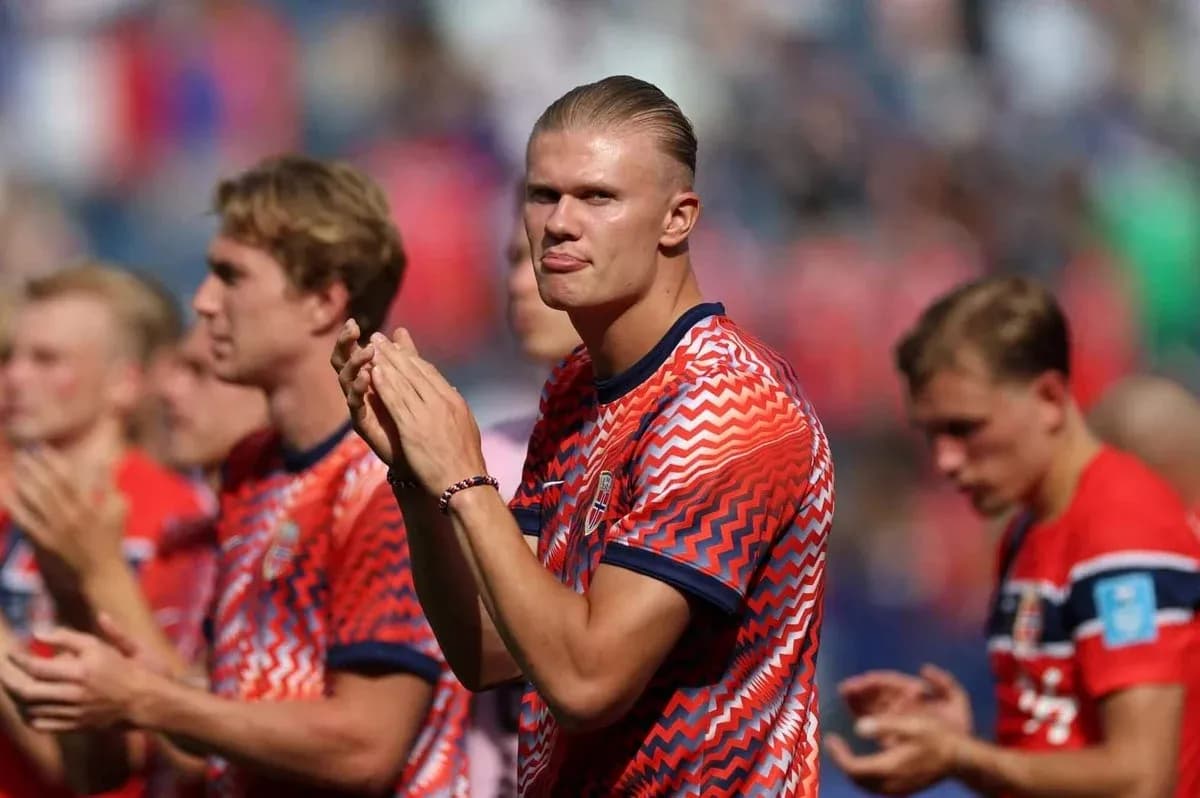
Stale Solbakken walked into the mixed zone in Boston with a 4-1 defeat to France on the board, Erling Haaland unused, Martin Odegaard unused, and a stadium full of disappointed Norwegians still filing out. He didn’t flinch.
“It was a no-brainer,” the Norway head coach said of his decision to field a second-string side and rest his two stars.
The scoreline, the occasion, even the thousands who had travelled in the hope of seeing Haaland go head-to-head with Kylian Mbappé — none of it, he insisted, came close to outweighing the numbers the medical team had handed him after the win over Senegal.
Norway had already booked their place in the knockout rounds. A win against France would have meant top spot in the group and a round-of-32 tie with Sweden instead of Ivory Coast. On paper, a clear incentive. On the pitch, Solbakken felt he was running out of bodies.
He made 10 changes from the side that edged Senegal 3-2. The captain stayed on the bench. The superstar striker stayed on the bench. So did any temptation to gamble.
“We did a summary after Senegal and there were five or six who were very affected,” Solbakken explained. “After 80 minutes of play, the entire defence line and one or two midfielders were very affected.”
Cramp told one story. The data told another. Norway, he pointed out, had the shortest turnaround between games of any side involved in that sequence of fixtures. The staff tested players, checked their recovery, even studied urine samples. The feedback was blunt.
“They all said it would be difficult for them and to be able to train,” he said. “The (urine) samples were taken by the medical team and they were fed back to me. It was not a decision that took a long time to arrive at.”
So he chose the long game. Rotate heavily against France, accept the risk of a heavy defeat, and aim to hit Tuesday’s round-of-32 tie with something left in the legs.
“It could have been that we were able to play a decent match today but we want to win,” he said. “Bear in mind we might not have won, what about the next game then?”
The calculation was cold. The reaction in the stands, less so.
Many had flown across the Atlantic for the spectacle: Haaland against Mbappé, Odegaard pulling strings under the lights, Norway testing themselves against one of the tournament favourites. Instead, they watched a patched-up side stretched and punished by a ruthless French team that sealed top spot and, with it, a short 45-minute hop to New York for the next round.
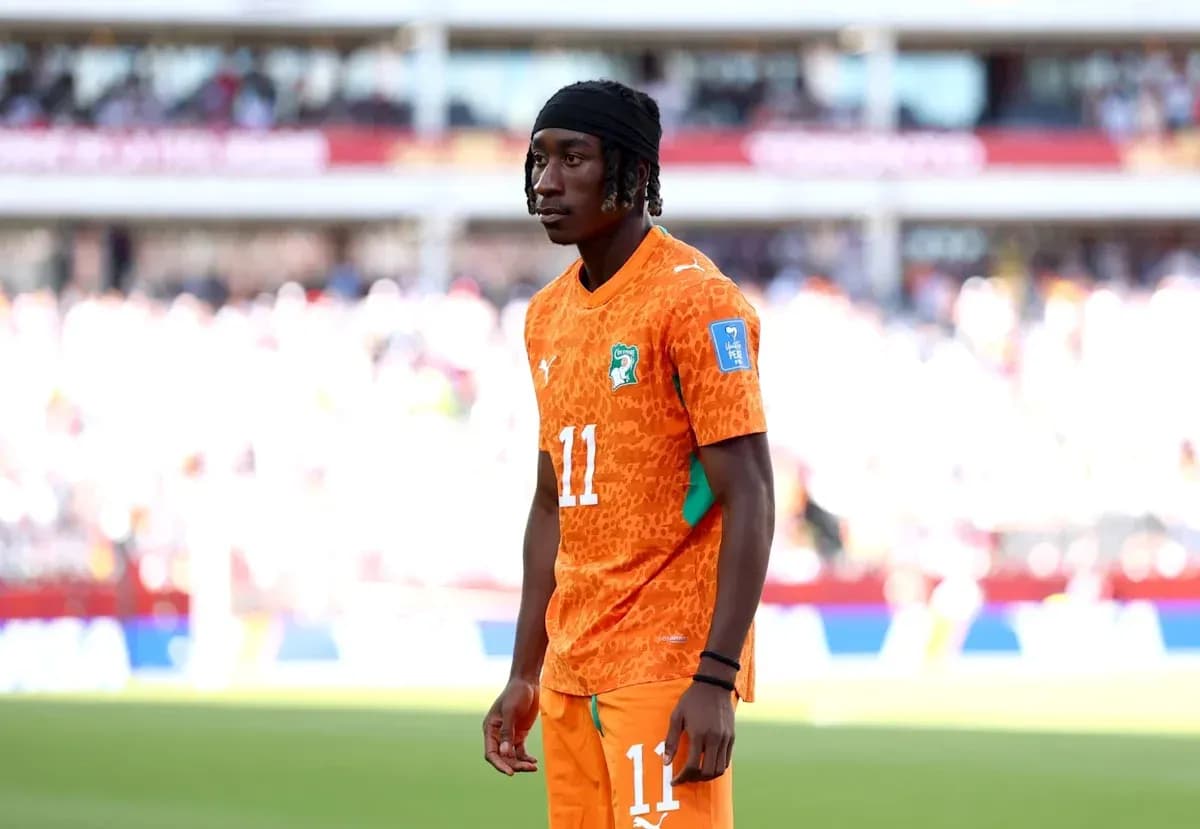
France assistant Guy Stephan made no secret of how much that mattered: first place meant less travel, less fatigue, and a smoother path into the knockouts. Norway, by contrast, now face a longer trip — around four hours to Dallas — and just three days to prepare for Ivory Coast, who arrive with momentum after beating Curaçao to qualify.
Some see that as a clear advantage for the Ivorians. Solbakken doesn’t buy it — precisely because of what he did in Boston.
“Not now because we did what we did today,” he said. The schedule, the train journeys, the hotel changes, the one rest day fewer than others: all of it, he argued, fed into the choice to rotate so aggressively.
Still, the human element lingers. He knows what the supporters came for.
“The support has been very good and they want to see Erling and Martin so that is the only reason you can feel something about the way we lined up today,” he admitted. “But hopefully because of that we can give them some good summer nights in the weeks ahead.”
That is the trade-off he is willing to own. Not entertainment for entertainment’s sake, not the romantic idea of always fielding the strongest XI, but a calculated push to stay alive deep into the tournament.
“I feel this consideration but we have given them a couple of victories and the opportunity to watch more games. That is what we are here to do. We don’t need to be the naive country who just play for fun. We are here to proceed as long as we can and I have to make the decisions to do that.
“I wouldn’t want to sit on the plane back knowing we didn’t do our best to go as far as possible. It was an easy decision. Not even up for discussion.”
There were, he revealed, only narrow circumstances in which Haaland or Odegaard would have appeared. The plan was clear: hold them back unless the group’s objective was within touching distance late on.
“It would have had to be after the last hydration break,” Solbakken said. “If there was a situation where we might have reached our goal.”
That situation never came. France were too strong, Norway too disjointed, the gap in cohesion obvious. The price of preservation was paid in plain sight on the scoreboard.
Now comes the real test of Solbakken’s conviction. The coach has chosen freshness over spectacle, sports science over sentiment. If Norway arrive in Dallas sharper, stronger and still standing after Ivory Coast, the “no-brainer” will look exactly as he describes it.
If they don’t, the sight of Haaland and Odegaard sitting idle in Boston will hang over this campaign like a question that never needed to be asked.