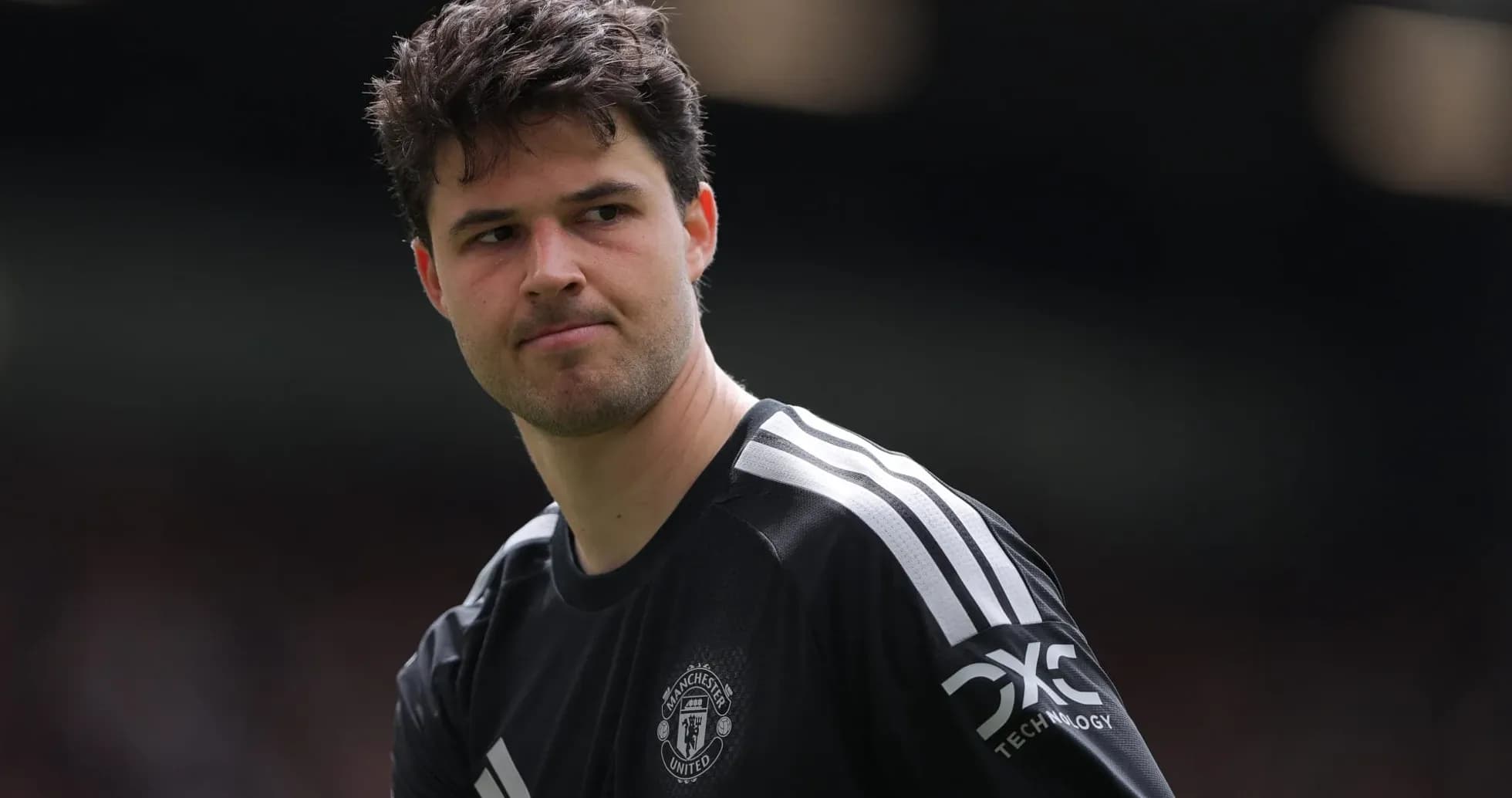
Senne Lammens: Manchester United's Goalkeeping Revelation of 2025
Manchester United have had plenty of summers where the chequebook has brought more chaos than clarity. The 2025 window was different. They finally fixed the position that had haunted them for years – and did it with a signing that barely made a ripple when it was announced.
Now, Senne Lammens is at the heart of everything United will remember fondly about the 2025/26 campaign.
From data punt to dressing-room pillar
Lammens did not arrive with the fanfare of a marquee name. He arrived as a data-backed recommendation, championed internally by Tony Coton while Ruben Amorim pushed for Emi Martinez. United chose the quieter option, the one that didn’t dominate the headlines.
It has turned into one of the smartest calls the club has made in a decade.
Signed for just £18m, Lammens walked into a club still scarred by the failed succession plan of Andre Onana and Altay Bayindir. The goalkeeping position had become a weekly inquest. Doubt, nerves, groans from the stands every time the ball went back to the man in gloves.
By the end of his debut season, that anxiety had gone. The 23-year-old had made the position his own.
He didn’t even start the campaign as first choice. He only took over from week eight. From that point on, he played like a man who had been waiting his whole career for that opening.
Valuation rockets as Europe takes notice
The numbers behind his rise are staggering.
Ten months after his arrival, CIES has recalibrated his value. The same goalkeeper United picked up for £18m is now rated at £45.5m. That is a 150% increase, a jump of £27.5m in less than a year, and it plants him firmly in elite company.
On that scale, only Gianluigi Donnarumma and Joan Garcia sit above him in world football. Third-most valuable goalkeeper on the planet. From “under the radar” to the top shelf of the global market in one season.
This isn’t a reward for a freakish clean-sheet tally or a bus-parked defence. Lammens finished the league campaign with just eight clean sheets. Respectable, not spectacular. The context matters, though: he joined the starting XI late, played behind a side still learning its defensive patterns, and faced a steady stream of high-quality chances.
What elevated him was not just what he kept out, but what he had no right to keep out.
The eye test and the numbers agree
Some goalkeepers rack up clean sheets because the team in front of them strangles games. David Raya’s 19 shutouts last season, helped by Arsenal’s controlled, risk-averse approach, are a good example of that model working to perfection.
Lammens lived a different life.
He conceded 39 goals in his debut Premier League campaign, a figure that on paper might raise an eyebrow. Watch the games, or dive into the underlying data, and the picture changes. Many of those goals were unsaveable strikes – the kind of finishes that make highlight reels, not coaching manuals. Only one was chalked up as a clear individual error, a poor pass against Liverpool that invited punishment.
Crucially, he ranked among the very best in the league for goals prevented, a metric that strips away the noise and looks at how often a goalkeeper outperforms the quality of chances faced. In that arena, Lammens excelled. Time and again he tilted matches back in United’s favour with interventions that rewrote the expected outcome.
That is why his valuation has soared. That is why he now sits in conversations that once felt distant for a young keeper still learning the league.
Chasing Raya, eyeing the summit
The CIES list does not include David Raya, largely due to age, but in football terms the Spaniard remains a benchmark. At 30, he is the finished product: 19 clean sheets, a title challenge, and a defensive unit built to suffocate opponents.
Lammens is not there yet. He knows it. United know it. Eight clean sheets are a platform, not a pinnacle.
But at 23, with a full season as undisputed No. 1 ahead of him, the target is clear. If he can push that tally towards 15 next year, with similar levels of shot-stopping and goals prevented, the debate shifts. He moves from “one of the best of the rest” into the bracket occupied by Raya and the other modern greats.
What makes his trajectory so intriguing is how much room there still is to grow. Goalkeepers often peak later. Decision-making sharpens, positioning becomes instinctive, the chaos slows down in front of them. Lammens already looks composed in the storm. Time is on his side.
From bargain buy to cornerstone
United did not just find a good goalkeeper. They found value in a market where that is becoming increasingly rare.
An £18m outlay for a player now valued at £45.5m is the sort of swing clubs dream of when they lean on data, scouting, and conviction. It also vindicates the internal voices who pushed for Lammens when the temptation was to chase a more established name.
He has already been voted Signing of the Season by fans on TalkingPoints, a reflection of how quickly he has connected with the support. The old unease around the position has been replaced by something that had been missing since the days of Edwin van der Sar and Peter Schmeichel: trust.
Those two giants of United’s past have already added their voices to the chorus of praise. They know what it takes to stand in that goal and define an era.
Lammens isn’t there yet. But with his valuation soaring, his reputation growing, and his best years still ahead of him, one question now hangs over Old Trafford:
If this is what he looks like after one season, what happens when he truly hits his peak?