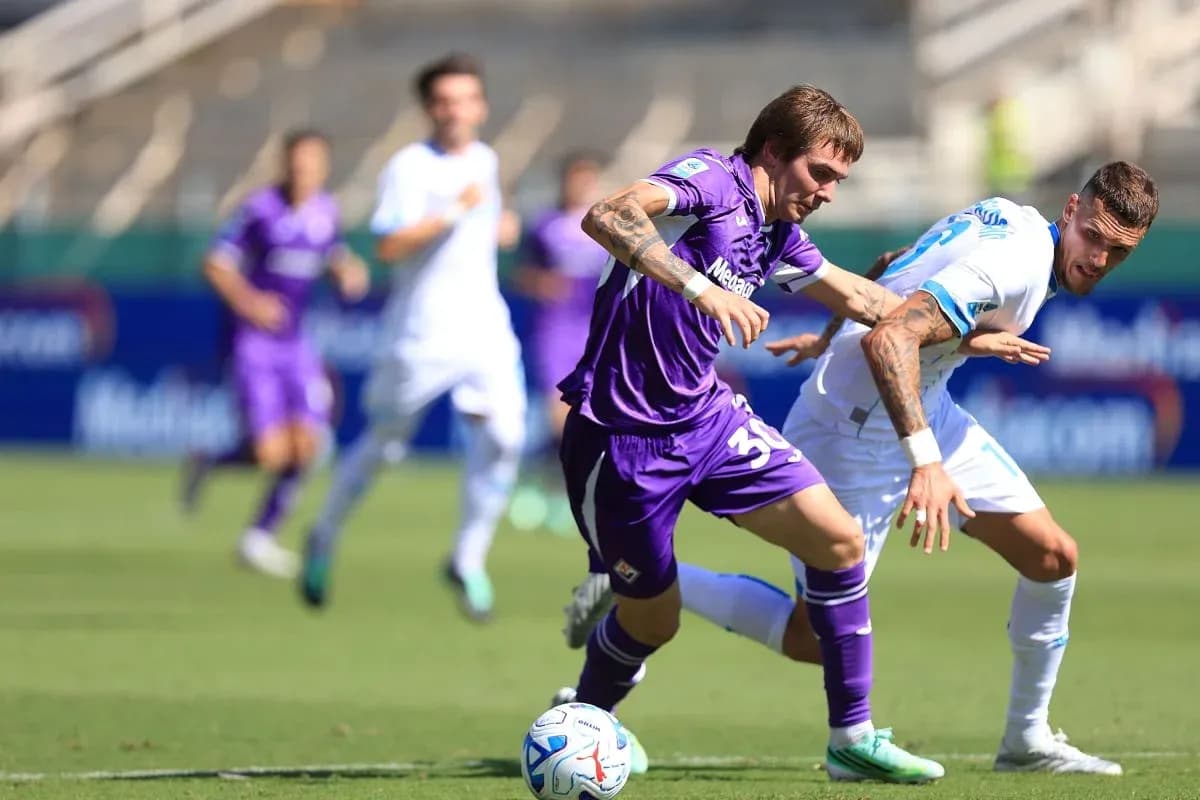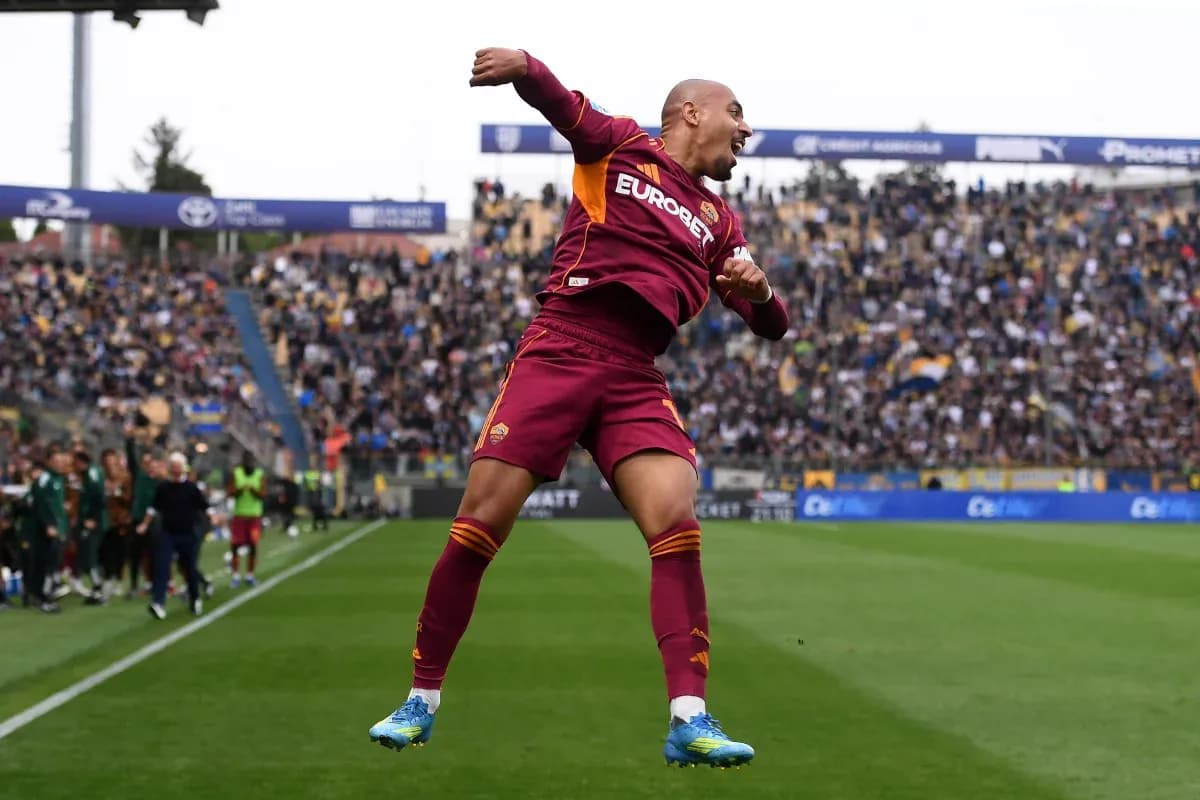
Roma Secures 3–2 Victory Over Parma in Serie A Clash
The late afternoon light over Stadio Ennio Tardini felt almost theatrical as Parma and AS Roma walked out for this Serie A round 36 clash. By full time, the script had delivered: a 3–2 away win for Roma, a scoreline that echoed the broader story of their season – ruthless in attack, imperfect but resilient at the back – against a Parma side whose limitations are clear, yet whose competitive spirit refuses to fade.
Heading into this game, the table already framed the narrative. Parma were 13th with 42 points, their overall goal difference at -18, the product of 27 goals for and 45 against. That is a team built on organisation and suffering rather than firepower, averaging just 0.8 goals in total this campaign while conceding 1.3. Roma arrived as a very different animal: 5th, on 67 points, with a positive goal difference of 24, having scored 55 and conceded 31 overall. Their attacking average of 1.5 goals in total and defensive record of 0.9 conceded told of a side far more comfortable dictating games, particularly with European qualification already in their sights.
The formations on the teamsheet reinforced those identities. Carlos Cuesta stayed faithful to Parma’s season-long backbone, rolling out a 3-5-2 that has been his most-used structure (17 league appearances in that shape). Z. Suzuki anchored the back line behind a trio of A. Circati, M. Troilo and L. Valenti. Across midfield, E. Delprato and E. Valeri worked the flanks, with C. Ordonez, H. Nicolussi Caviglia and M. Keita forming a compact, hard-running central unit. Up front, N. Elphege and G. Strefezza were asked to stretch Roma’s back three and scrap for every second ball.
Opposite them, Piero Gasperini Gian doubled down on Roma’s identity with his favoured 3-4-2-1, a system they have used 28 times this season. M. Svilar started in goal behind G. Mancini, E. Ndicka and M. Hermoso. Z. Celik and Wesley Franca provided width, with B. Cristante and M. Kone patrolling the centre. Ahead of them, M. Soule and P. Dybala floated between the lines, feeding D. Malen as the lone striker.
If the tactical blueprints were familiar, the absences shaped the nuance. Parma’s creative core was badly hit: A. Bernabe (muscle injury), B. Cremaschi, M. Frigan and G. Oristanio (all knee injuries) were all listed as missing for this fixture. That stripped Cuesta of ball-progressing and final-third craft, forcing him to lean heavily on industry and direct play rather than intricate combinations.
Roma’s injury list was just as high profile. A. Dovbyk (groin), E. Ferguson (ankle), L. Pellegrini (thigh) and B. Zaragoza (knee) were all unavailable. Without L. Pellegrini’s orchestrating presence and Dovbyk’s penalty-box gravity, the creative and goalscoring burden shifted even more onto Dybala, Soule and Malen.
From the opening whistle, the match played out as a clash between Parma’s defensive discipline and Roma’s layered attacking threats. Roma’s season numbers away from home – 24 goals scored and 21 conceded on their travels, averaging 1.3 for and 1.2 against – hint at open, high-event games. That pattern resurfaced here. They found a way through before the interval, taking a 1–0 lead into half-time, the 0–1 scoreline at the break perfectly in keeping with Parma’s tendency to chase games rather than control them.
Parma’s overall scoring profile – just 15 goals at home, averaging 0.8 per game at Ennio Tardini – suggested they would need to be brutally efficient to trouble Roma. Instead, they were brave. The back three, with Troilo at its heart, held a high line in moments and squeezed the pitch, allowing the wing-backs to push onto Roma’s midfield four. Troilo’s season data underlines his role: in Serie A he has blocked 15 shots and combined that with 23 tackles and 15 interceptions, a defender who steps out aggressively rather than merely retreating. That front-foot style helped Parma turn defensive phases into quick counters, especially once the game opened up in the second half.
The “Hunter vs Shield” duel was always going to centre on D. Malen. With 13 goals and 2 assists in 16 league appearances, supported by 45 total shots and 28 on target, he has been one of Serie A’s most efficient finishers. Against a Parma defence that has conceded 25 goals at home at an average of 1.4 per game, the numbers pointed toward opportunities. Malen’s movement across the front line repeatedly asked questions of Circati and Valenti, dragging them into wide areas and creating pockets for Soule and Dybala.
Yet Parma were not without their own spearhead. From the bench, M. Pellegrino – the club’s top scorer this season with 8 league goals and 1 assist – represented a different kind of threat. Across the campaign, he has taken 50 shots (21 on target) and drawn 63 fouls, a magnet for contact who can turn long balls into territory and free-kicks. His physical presence and relentless duelling – 504 duels in total, with 215 won – are exactly what Parma rely on when they have to chase the game, as they did after falling behind.
In the “Engine Room” battle, B. Cristante’s profile was critical. As Roma’s central pivot, his job was to smother Parma’s attempts to play through Nicolussi Caviglia and Keita. With 1553 passes at an 86% accuracy this season and 50 tackles plus 44 interceptions, Cristante embodies control and disruption in equal measure. His screening allowed Roma’s back three to hold their positions rather than being constantly dragged into midfield, a key factor in managing Parma’s transitions.
On the flanks, Z. Celik’s dual identity defined Roma’s right side. He has made 59 tackles, 6 blocks and 17 interceptions this season, while also contributing 2 assists and 25 key passes. That blend of defensive bite and forward thrust fit perfectly into Gasperini Gian’s wing-back demands. His disciplinary edge, though – 2 yellow cards and 1 red in the league – mirrored Roma’s broader card profile. Heading into this game, Roma’s yellow cards peaked between 46–60, 61–75 and 76–90 minutes, each window accounting for 23.08% of their cautions. That late-game aggression was always likely to collide with Parma’s own spiky temperament: Parma’s yellow card curve spikes at 46–60 and 76–90 minutes, both at 21.88%. The final stages were almost destined to be scrappy, tactical fouls and time management defining the rhythm.
Following this result, the 3–2 scoreline fits the statistical logic more than it defies it. Roma’s overall defensive record – 31 goals conceded in 36 matches, an average of 0.9 – is strong, but their away numbers are looser, and Parma’s willingness to commit numbers forward once behind ensured the visitors were rarely entirely comfortable. At the same time, Parma’s season-long attacking limitations meant that even a spirited two-goal response could not quite bridge the gap.
From an Expected Goals perspective, Roma’s structural superiority in chance creation – driven by Malen’s shot volume, Soule’s 43 key passes and Dybala’s constant half-space presence – would almost certainly tilt the xG ledger in their favour. Parma’s model is lower-volume, relying on set pieces, second balls and the physicality of forwards like Pellegrino rather than sustained pressure. Over 90 minutes, that usually means fewer high-quality chances.
In tactical terms, then, this 3–2 away win feels like a crystallisation of both teams’ seasonal DNA. Parma, with their -18 overall goal difference and modest attacking output, can hurt opponents in spells but struggle to lock games down. Roma, with their +24 overall goal difference and potent front line, have enough weapons to outscore danger even when they cannot entirely suppress it. At Ennio Tardini, those identities collided in a match that was wild, flawed and compelling – and that, on balance, delivered the outcome the numbers had been hinting at all along.