Robbie Ure: The One That Got Away from Rangers
Robbie Ure was meant to be one of those fleeting Ibrox curios. A name on a teamsheet, a goal in a cup tie, a polite round of applause, and then the long fade into the lower leagues.
It hasn’t worked out like that.
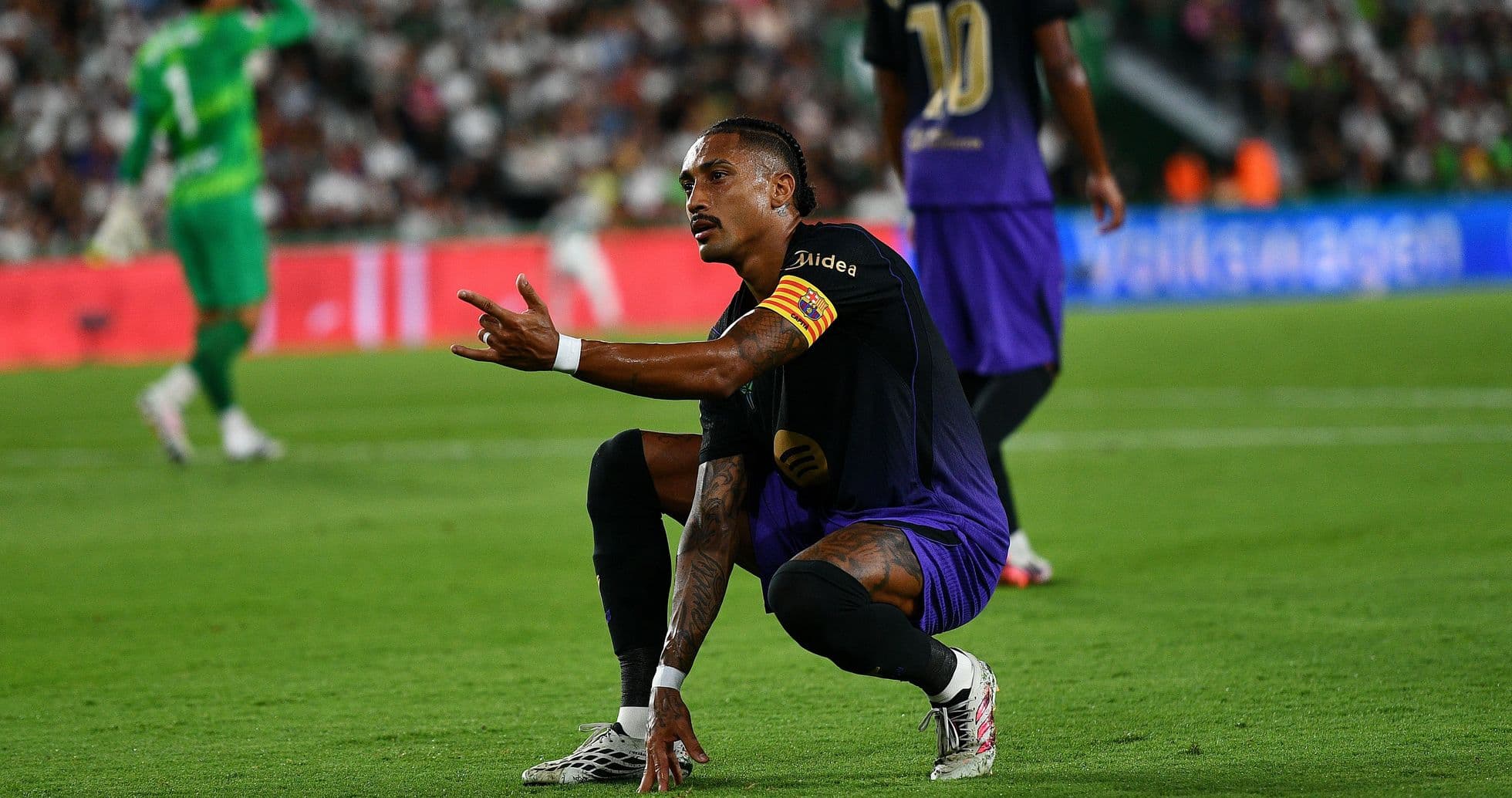
The striker who scored on his Rangers debut against Queen of the South as an 18-year-old in August 2022 is now 22, ripping up defences in Sweden and being tracked by Sevilla in a deal that could rise to around £8m. Fifteen goals in 15 games for IK Sirius, 10 in his last six. That’s not a purple patch. That’s a player arriving.
And Rangers? They let him walk for nothing.
The one that got away
Ure’s Rangers career never really started. One League Cup tie, then two Premiership cameos so brief you’d miss them if you blinked – a minute against St Mirren in November, another against Hibs in May, six months apart. That was it.
For a teenager desperate to play, those crumbs were never going to be enough. Especially when the club’s transfer policy screamed something very different.
In his position, Rangers spent £6m on Danilo – closer to £10m once wages are factored in – and £3.5m on Sam Lammers, again north of £4m all-in. Money piled into ready-made solutions while their own academy forward watched from the fringes.
He read the room. With no clear route to the first team, Ure left. First to Anderlecht in Belgium, then to Sirius in Sweden, where he has grown, hardened and started to look like the complete forward Rangers never really bothered to find out if he could be.
On Sunday, as news broke that Sevilla were circling with an eight-figure offer in local currency, Rangers were losing 2-1 at home to Hibs. The mood around Ibrox was already sour. The story of their former academy kid, now a potential multi-million-pound export, will have tasted especially bitter.
A case study with a price tag
If Sevilla do close that deal, Ure becomes more than just a regret for Rangers. He becomes a walking, talking exhibit for the Scottish FA as they gather club owners and chief executives in St Andrews next month for what they are calling a “critically important” forum on youth pathways.
The event is branded “Made In Scotland?” – a question more than a slogan. Ian Maxwell, the SFA chief executive, and his chief football officer, Craig Mulholland, will front it. Their message is simple: trust your own. Give young Scottish players a real chance.
If they were inclined to twist the knife – they won’t, diplomacy being what it is – Ure’s story would sit perfectly on one of their slides. Here is the argument in human form: had Rangers backed their academy striker, they might have saved millions on imports and eventually banked millions more on a sale.
Of course, football is rarely that neat. Ure might not have shown this level at 18. Development is messy, uneven, unpredictable. There is hindsight in every lament.
But the sting is real. Just as Celtic felt it when Ben Doak, now Gannon-Doak, barely featured before heading to England and blossoming into another multi-million-pound asset elsewhere. Another one that got away.
Numbers that don’t lie
You don’t need a spreadsheet to know Scottish football has a youth problem. The opening two weeks of the Premiership season still provide a brutal snapshot.
Across the first two rounds of fixtures, only 31% of the players involved were Scottish. Just 5% were Scots aged 21 or under. Forty-six different nationalities appeared.
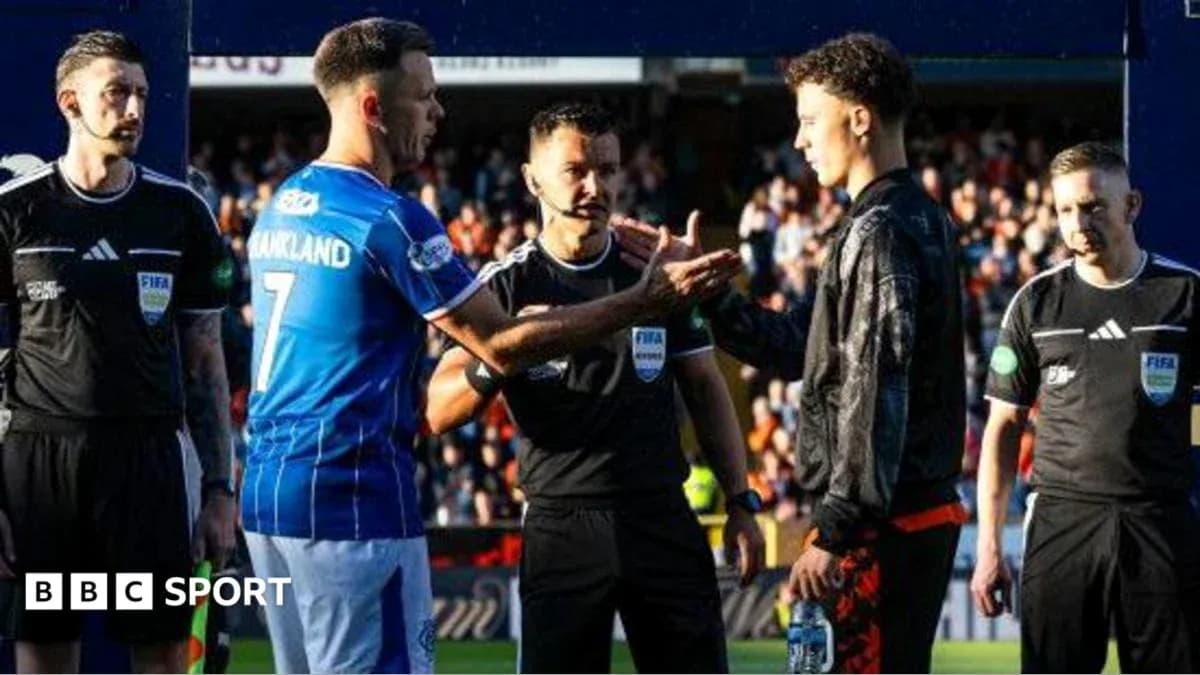
The most striking example? Dundee United. Two games, one Scottish player used – Dylan Tait. That’s it.
Ask any chairman, chief executive or manager if they want homegrown players in their first team and the answer comes back rehearsed and emphatic. Of course they do. They talk about identity, community, tradition.
Then the caveats arrive. The pressure to stay up. The need to qualify for Europe. The risk of “gambling” on a kid. The foreign market. The loan system. Some of it is real. Some of it is excuse-making dressed up as strategy.
There are nuances. Dundee United will point to the investment in their academy and the loss of 16-year-old Kai Hutchison to Everton. He is one of dozens of Scottish teenagers to head south in the post-Brexit landscape.
Celtic can list Dara Jikiemi (Liverpool) and Daniel Cummings (West Ham). Rangers will mention Cameron Scott (Burnley) and Chris Eadie (Sheffield United). Hearts have Boyd Fraser (Nottingham Forest) and Keir McMeekin (Man City). Hibs can add Ben Vickery (Man City) and Josh Landers (West Ham).
And those are only the most obvious names. The conveyor belt out of Scotland runs quietly but constantly.
Money matters, of course. Bigger wages, better facilities, the lure of the Premier League and its satellites. But to pretend it’s only about cash is convenient for clubs. These players – and their parents – also see something else: a blocked path at home.
Pathways or dead ends?
Look at it from a teenager’s point of view.
You’re 17, 18, maybe 19. You’ve been told for years you’re one of the best in your age group. You train well. You see glimpses of the first team. Then, every summer and winter, a new wave of imports arrives. Some are good. Many are not. A few are journeymen with patchy CVs and limited upside.
What do you conclude? Stay and stagnate, or leave and hope?
Scotland’s biggest clubs struggle to point to a consistent line of academy graduates playing real minutes, week after week. There are exceptions, but not enough. The pathway is cluttered with short-term fixes, cheap punts from abroad and squad fillers who block the view.
Maxwell and Mulholland know this. They’ve seen the data, read the reports, watched the games. At St Andrews, their job is to turn that knowledge into something club owners can’t ignore.
Not by appealing to patriotism. By appealing to self-interest.
The hard sell in St Andrews
The reality inside that room will be stark. Every owner and CEO present has one overriding duty: protect and grow their own club. National team success is a nice bonus, not a driving force.
Many clubs lower down the pyramid already live the youth-first model. They have to. They give minutes, take risks, sell smart. For them, “Made in Scotland” is not a slogan, it’s survival.
At the top, the calculation feels different. If a director believes signing from Mars gives them a better shot at a league title or European money than trusting a 19-year-old from their own academy, they’ll phone mission control.
So Maxwell and Mulholland must arrive with more than moral arguments. They need numbers, case studies, cold financial logic. They need to show that playing academy graduates is not charity, but good business.
They’ve tried before.
In August 2024, the Scottish FA published its Transition report, a 114-page piece of work by then chief football officer Andy Gould and head of men’s elite football strategy Chris Docherty. It was detailed, forensic, and unapologetically pro-youth.
The report broke down global player data, highlighted clubs across Europe who had built fortunes by nurturing, playing and selling young talent, and exposed the pitiful number of senior minutes given to academy players in Scotland compared with other successful leagues.
Its central message was blunt: the old mantra that “kids win you nothing” is not backed up by evidence. On the contrary, bold clubs win games and bank transfer fees by trusting their own.
Some recommendations were taken on board. The core challenge – be braver – largely wasn’t.
By October 2025, another report landed. This time 133 pages, again authored by Gould and Docherty. Another strong document. More ideas. More proof. Neither man now works at Hampden. You don’t need a psychologist to guess why. Too many brick walls. Too many nods, not enough action.
Another swing, same bunker
And so here we are again. Another summit. Another attempt to shift the mindset of Scottish football’s powerbrokers.
Next month, in St Andrews, as Maxwell and Mulholland stand in front of their audience, the famous Road Hole bunker on the Old Course will sit just beyond the window. Generations of golfers have seen their dreams buried in that sand.
Getting out of it can feel impossible. Holing out from there on 17 is a minor miracle.
That’s the scale of the task now. Persuading clubs that the next Robbie Ure is worth minutes today, not regret tomorrow. Convincing them that the boy in their academy might be a future £8m striker, not someone else’s headline.
The ball is teed up. The data is there. The examples are live and painful.
The question is simple: will Scotland’s biggest clubs finally take the shot, or watch another generation disappear over the horizon?