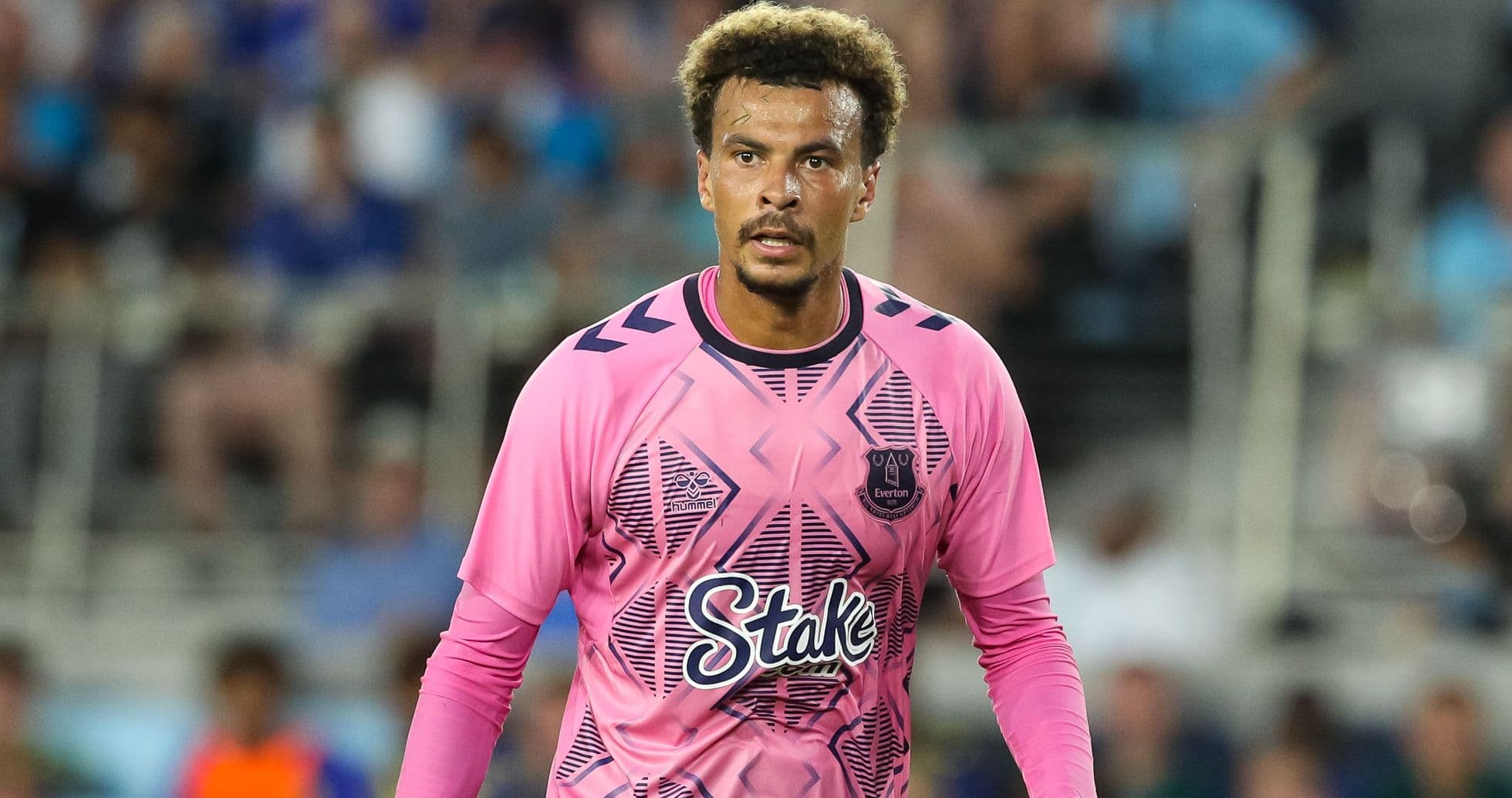
The Rise and Fall of Dele Alli: From Academy Sensation to Free Agent
The first time Jordan Buck saw Dele Alli, he didn’t see a future England international or a £5 million signing-in-waiting. He just saw a tall, skinny kid taking the ball off his goalkeeper and tearing the length of the pitch to pieces.
Within minutes, the shock set in.
A Teenager Built Like a Midfield Engine
At MK Dons, before the Premier League lights and the viral volleys, Alli wasn’t the classic academy winger lighting up the flanks. He was something stranger, more unsettling for opponents: a rangy teenager who glided through the centre of the pitch with the authority of a fully formed Premier League powerhouse.
“He was so skinny, but he just used to just glide past people,” former defender Buck told talkSPORT. The description still sounds half in disbelief. This wasn’t a kid hugging the touchline, doing stepovers for show. “This was just a tall frame, just knows when to touch the ball, when to shift his body. And he just cut through players.”
Buck didn’t reach for comparisons with wide men like Eden Hazard or Mohamed Salah. The picture he paints is closer to the great midfield carriers of the last decade. “Like the way Mousa Dembele and Yaya Toure used to drive past players, not like an Eden Hazard or a Mohamed Salah. He’d drop so deep, get the ball directly from the keeper and just glide through from his box, through the midfield, and then he’s finding a pass in the final third.”
That was the teenage Dele Alli: a one-man transition, turning defence into attack with a few strides and a touch that always seemed one step ahead of the chaos around him.
Silent Assassin of the Academy Circuit
In youth football circles, some names arrive long before the players do. Ross Barkley was one of those – a reputation that travelled ahead of him, a buzz that followed him onto every pitch.
Alli was different.
He didn’t come with a fanfare, but once the whistle blew, he owned the game. Buck remembers it vividly: “I had no idea who he was. That day, I had no idea. There’s just this tall, skinny dude just picking up the ball and just driving through everyone. He was unreal. He was just shining through.”
The impact, he says, felt similar to another academy talent, Yann Gueho – not as explosive, not as wild or showy, but just as decisive. “Kind of similarly to Yann Gueho, I think not as explosive, erratic and showboaty as Yann. But definitely had a similar sort of impact on the pitch. He’d take care of bringing the ball up the entire length of the pitch. And I was in shock.”
For Buck and his teammates, the conclusion came quickly. This wasn’t just another promising youngster. This was a player who made the pitch feel smaller for his own side and impossibly big for everyone else.
No wonder his move to Tottenham in 2015 felt inevitable. By the time Spurs paid £5 million for him, those who had faced him up close knew it was simply the natural next step.
From Selhurst Park Volleys to Contract Terminations
What followed at Spurs felt like the fulfilment of all those early warnings. Alli didn’t just step into the Premier League; he stamped on it. The audacious volley at Selhurst Park. The swaggering nights under the lights. The brace against Real Madrid at Wembley that made Europe sit up and take notice.
He looked like the future of England’s midfield. A player who could arrive late in the box, hurt you off the ball, and still drop deep to knit the game together. The kid gliding through academy midfields had become a star doing the same to Champions League defences.
Then the story bent in a different direction.
The sharpness dulled at Spurs. The goals and the edge faded. A move to Everton offered a reset but never truly ignited. A loan spell at Besiktas came and went, more questions than answers. The latest attempt at reinvention took him to Como, under Cesc Fabregas, a coach who understood the art of midfield play as well as anyone.
Even that didn’t last. In September, the Italian club terminated his contract, cutting short a partnership that had promised a fresh chapter. At 30, Alli now finds himself a free agent, a name once bracketed with Europe’s elite suddenly fighting to convince sceptical clubs he can still run, still press, still glide.
Football does not wait. The game that once seemed to bend around him has moved on without a backward glance.
Living With the Memory of “Insane” Talent
Buck’s memories of Alli sit alongside another haunting example of raw, unfiltered ability: Adel Taarabt at QPR. Different players, different stories, but the same sense of being in the presence of something almost unfair.
“I got to see Adel Taarabt up close, and he was just a monster. He is the best player that I have ever seen up close and personal. It was just ridiculous,” Buck recalled. Training sessions felt like exhibitions. “He was absolutely insane. Nutmegs, it was just for fun. Nothing you can do about it, don't even try. It's going to happen.”
Defenders learned to keep their distance, only to suffer in another way. “The best thing you can do is stay three feet away from him, then he just shoots and scores, so it's lose, lose. We had our own little Ronaldinho on camp just doing Ronaldinho-type stuff. It was nuts!”
Taarabt’s story, like Alli’s, underlines a brutal truth. Talent alone is not a guarantee of permanence at the top. The game is littered with players who, on their best day, looked like they belonged among the very best, yet found themselves drifting to the margins before their 30s were out.
Alli once strode through pitches as if they were built for him. Now, at an age when many midfielders hit their peak, he stands at a crossroads, his next touch unknown, his next club unwritten.