Paul Scholes Questions Lammens' Goalkeeping Credentials at Manchester United
Paul Scholes has never been one to sugar-coat a problem at Manchester United. This time, his gaze has fallen squarely on the man in goal.
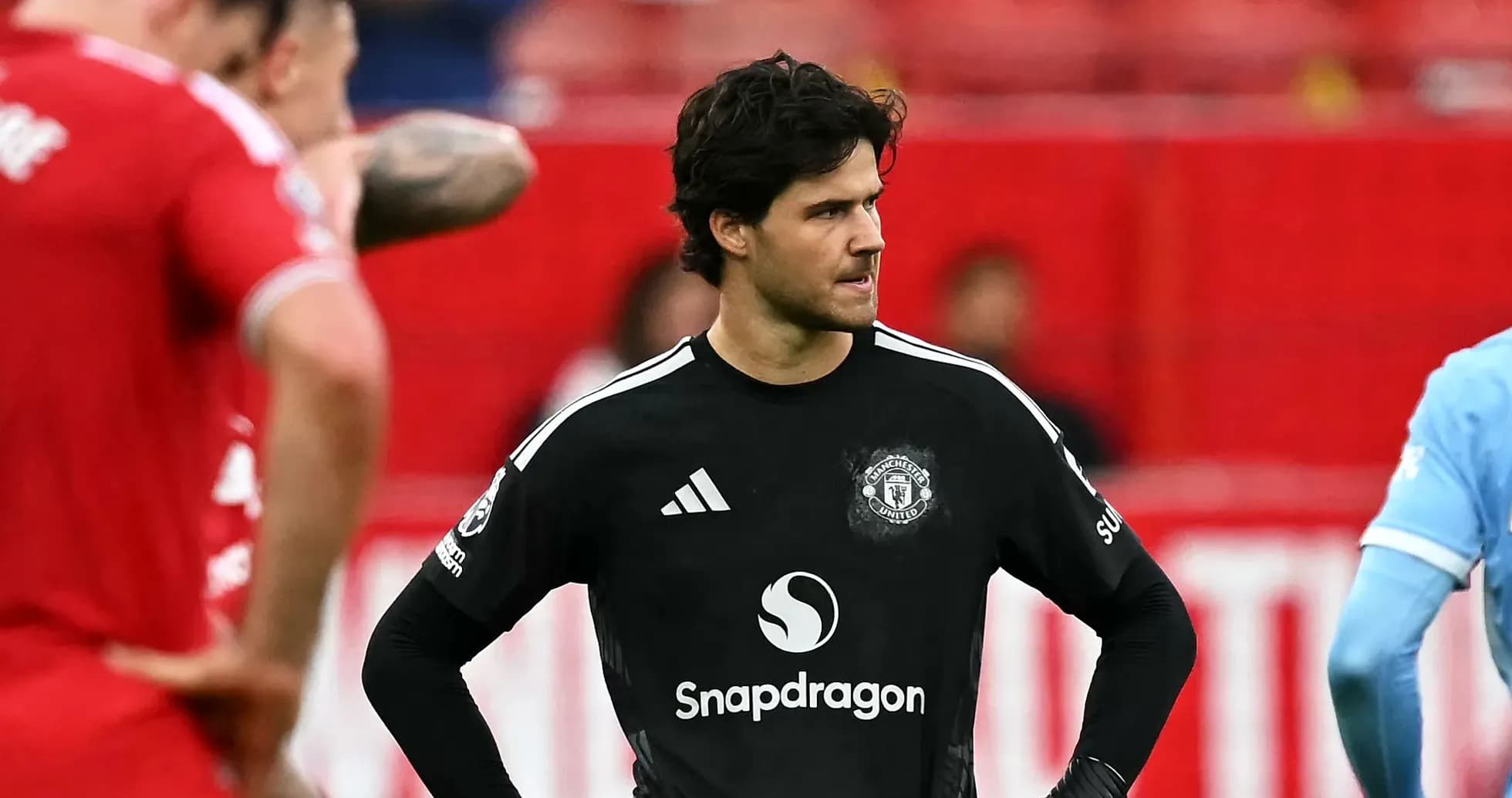
Oliwer Lammens, the 24-year-old Belgian signed from Royal Antwerp for £21.7 million last summer, has muscled his way past Altay Bayindir to become Michael Carrick’s first-choice goalkeeper. He has the shirt. What Scholes is questioning is whether he has the pedigree to take United where they want to go.
On The Good, The Bad and The Football podcast, the former United midfielder cut straight to the point. "What team have you seen win the Premier League without a top class goalkeeper?" he asked. "Lammens might be that, I don't know, I think the jury's probably still out on that and then you build from the back four."
That line – “the jury's still out” – hangs heavy over Old Trafford.
United are trying to piece together a new identity under Carrick, one built on structure rather than nostalgia. Scholes, who lived through the eras of Peter Schmeichel and Edwin van der Sar, made it clear that any serious rebuild starts in the same place: between the posts.
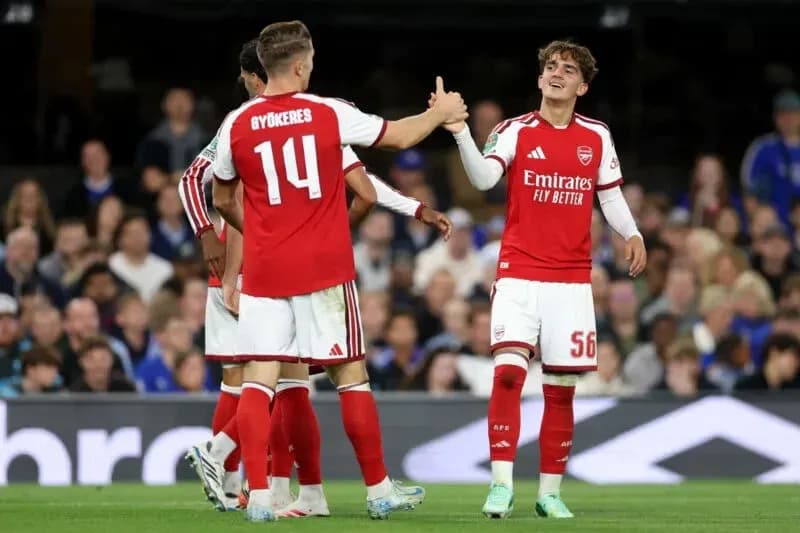
He pointed to the blueprint laid down by others. Arsenal, he said, began their resurgence by nailing down their defensive base. "It's the way Arsenal started three or four years ago, defensively they have been absolutely brilliant. You need a top class goalkeeper," Scholes insisted, before rolling off the names that define modern title-winning teams.
"You think of Liverpool's team with Alisson, Raya at Arsenal, Man United with Peter Schmeichel and Edwin van der Sar. They've all got brilliant, brilliant goalkeepers. You start from the back, of course you do. Whether Michael's just got to be patient and wait for that, I don't know."
That last line will sting for Lammens. It hints at a scenario in which Carrick either waits for his current No.1 to grow into that role or eventually looks elsewhere.
Lammens, for his part, has never hidden the scale of his ambition. He wants to be more than a stopgap, more than a promising prospect. He talks like a man who sees himself in Manchester for a decade.
Reflecting on life in England last year, he offered a clear-eyed view of the scrutiny that comes with the job. "That's England for you. If things go badly, they can bury you deep, but if things go well, they praise you to the skies," he said.
He understands the company in which his name is now being tentatively mentioned. "I take that with a grain of salt, because to be mentioned in the same sentence as Schmeichel, I'm going to have to prove myself many more times. But I did find it a very nice compliment. I hope to play here for 10 years and be important, so that, like Schmeichel and Van der Sar, I can leave a legacy."
Those are big words. United’s history in that position makes them sound even bigger.
The timing of Scholes’ intervention is no accident. It comes in the shadow of a bruising Manchester derby, where Lammens could not keep out Erling Haaland and United fell short again on the biggest domestic stage. The defeat was not on the goalkeeper alone – far from it – but Scholes’ decision to zoom in on that role tells its own story. In games of that magnitude, he clearly believes an elite, proven goalkeeper can be the difference between valiant defeat and a statement result.
That is the standard being set. Schmeichel-level impact. Van der Sar-level calm. Alisson-level reliability. Lammens is being measured against the very top.
As this season grinds on, every fingertip save, every misjudged cross, every parry into a dangerous area will be viewed through the prism of Scholes’ verdict. The margin for error is thin. The debate around him is already loud.
Lammens wanted the responsibility. Now he has it. The question is simple: can he turn promise into presence and force his way into the same conversation as the great United goalkeepers – not as a flattering comparison, but as a fact?