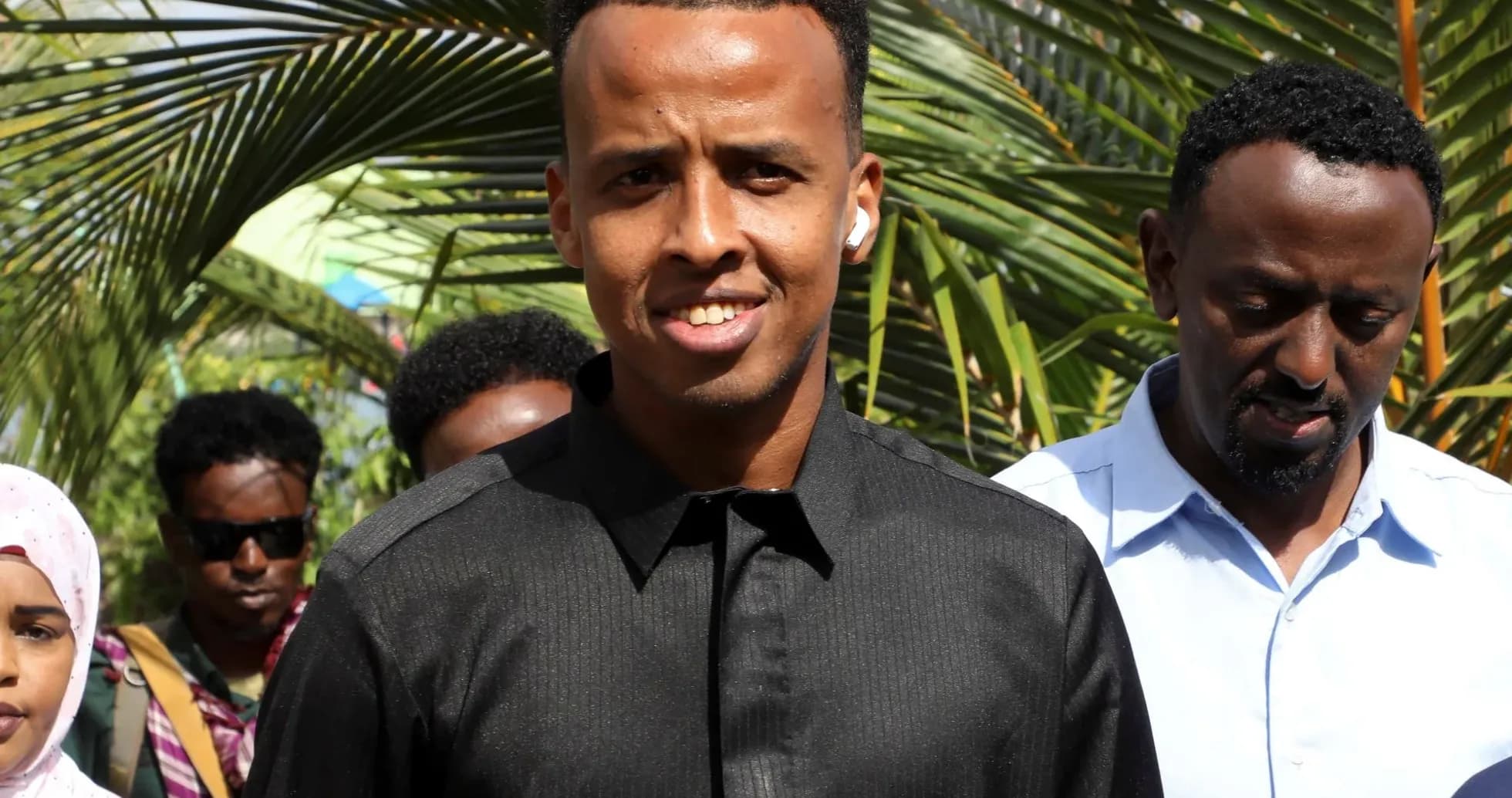
Omar Artan's UEFA Super Cup Appointment: A Political Statement
Omar Artan will finally step into a global spotlight on his own terms.
The Somali referee, barred from officiating at the World Cup after being refused entry to the United States, has been handed the whistle for Wednesday’s UEFA Super Cup between Paris Saint-Germain and Aston Villa – a showpiece that now carries a political charge far beyond the 90 minutes.
From airport rejection to European showpiece
Just weeks before the World Cup kicked off in June, the 34-year-old arrived at Miami International Airport as one of FIFA’s selected referees for the tournament. He never made it past the border.
A US Department of State official told AFP that Artan was “associated with suspected members of terrorist organisations”, a claim that “made the traveller ineligible for admission to the United States”.
Artan flatly rejected those allegations. Back home in Somalia, the reaction was furious. The referee who had been celebrated as a symbol of national progress returned not to quiet disappointment but to a wave of support and indignation at the treatment he had received.
“It was a very tough period,” he told UEFA in an interview. “A lot of people have sympathy for me, because when someone has been working a lot of years and is supposed to do something, and then can’t do it, it’s very challenging.”
FIFA president Gianni Infantino called the episode “unfortunate” and admitted: “We don’t control everything.” That was as far as world football’s governing body went.
UEFA went further.
UEFA steps in – and sends a message
The European body moved to appoint Artan to the Super Cup, setting him at the heart of a clash between Champions League winners PSG and Europa League holders Aston Villa.
On paper, it is a reward for a referee on the rise. Artan became the first Somali to officiate at the Africa Cup of Nations in 2024, a landmark moment for a country that has long been on the fringes of elite football. Wednesday’s game will be his first match in Europe.
“I was lucky, but I have worked very hard to be here and I’m really proud,” he said. “As you can imagine, I grew up in a difficult situation, but it didn’t prevent me from pursuing my dreams.”
When the appointment came through, he added, “for me and my family, really a very, very happy moment.”
There is a sporting logic to the decision. There is also no attempt to hide the politics.
UEFA has framed Artan’s selection within the cooperation agreement it signed with the Confederation of African Football (CAF) at the end of April, a deal designed to deepen ties between the two confederations and create more opportunities for African officials in European competitions.
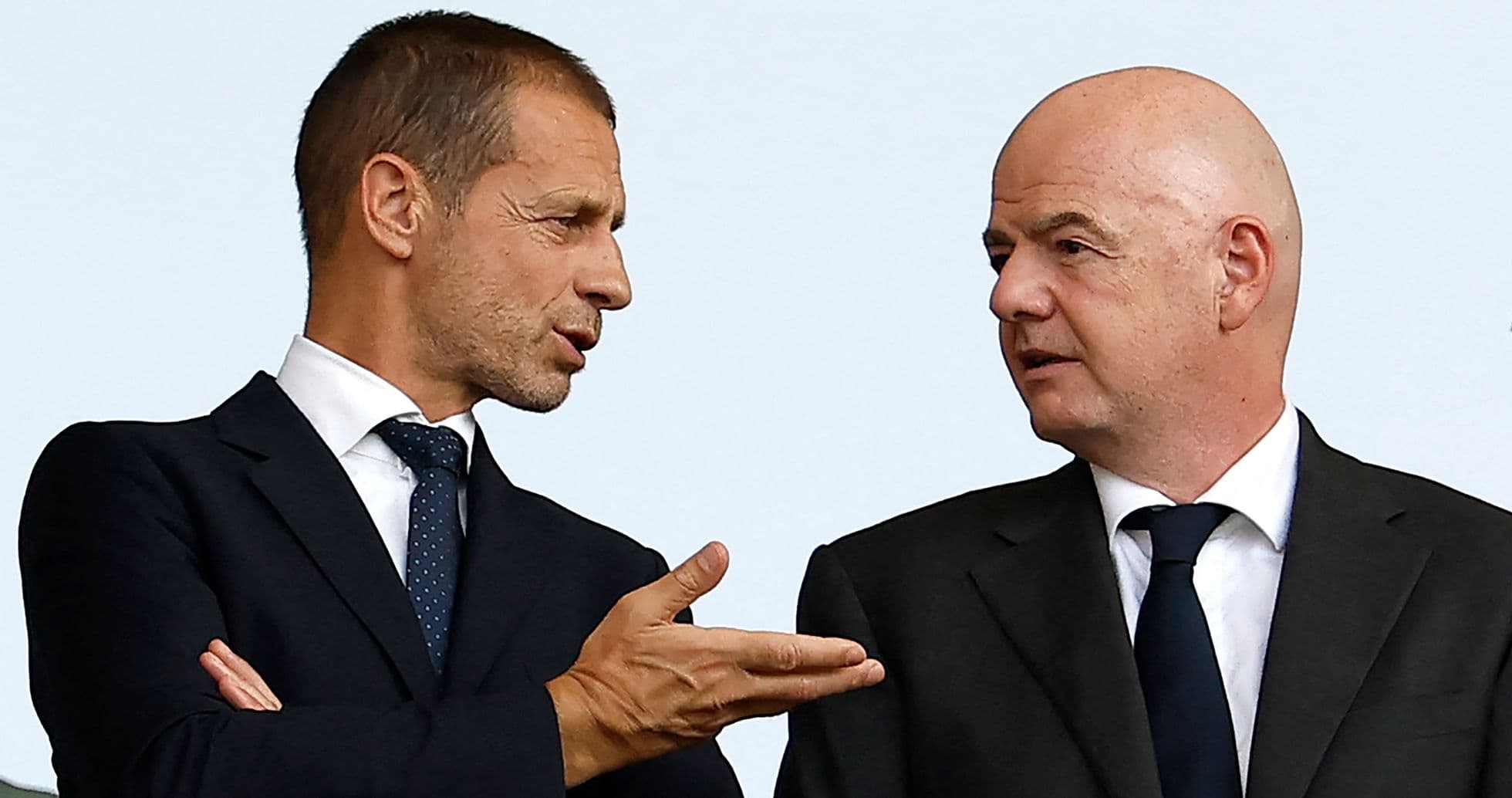
But the timing is impossible to ignore. UEFA and Infantino have been locked in a bitter stand-off for the past two weeks over an abandoned plan to open the World Cup to private investors. That proposal collapsed under heavy resistance from Europe, with UEFA leading a revolt that has left it openly wielding the threat of boycotting FIFA tournaments – including future World Cups – unless Infantino steps aside.
Against that backdrop, handing a high-profile European final to a referee blocked from the World Cup by US authorities, and effectively left in limbo by FIFA, lands as a pointed gesture.
A personal journey, a wider fault line
Artan’s story cuts through the boardroom politics. Raised in a country scarred by conflict, he built a refereeing career that took him from local pitches in Somalia to the biggest stage in African football. The World Cup was supposed to be the next step.
Instead, his dream was halted at an airport checkpoint.
“Having adventures, making memories and learning new things is always great,” he said. This Super Cup, then, becomes another chapter in that journey – and a far more public one than any assistant’s role at a group-stage game in the United States might have been.
On Wednesday, the focus will fall on Kylian Mbappé, on Unai Emery’s Aston Villa, on the tactical subplots that always swirl around a European trophy. But every whistle, every big call, will also carry the weight of a wider argument about who really controls football’s global stage, and whose careers are shaped – or stalled – by decisions made far from the pitch.
For Artan, it is simple. He has a game to referee. For UEFA and FIFA, the contest he oversees will echo well beyond the final whistle.