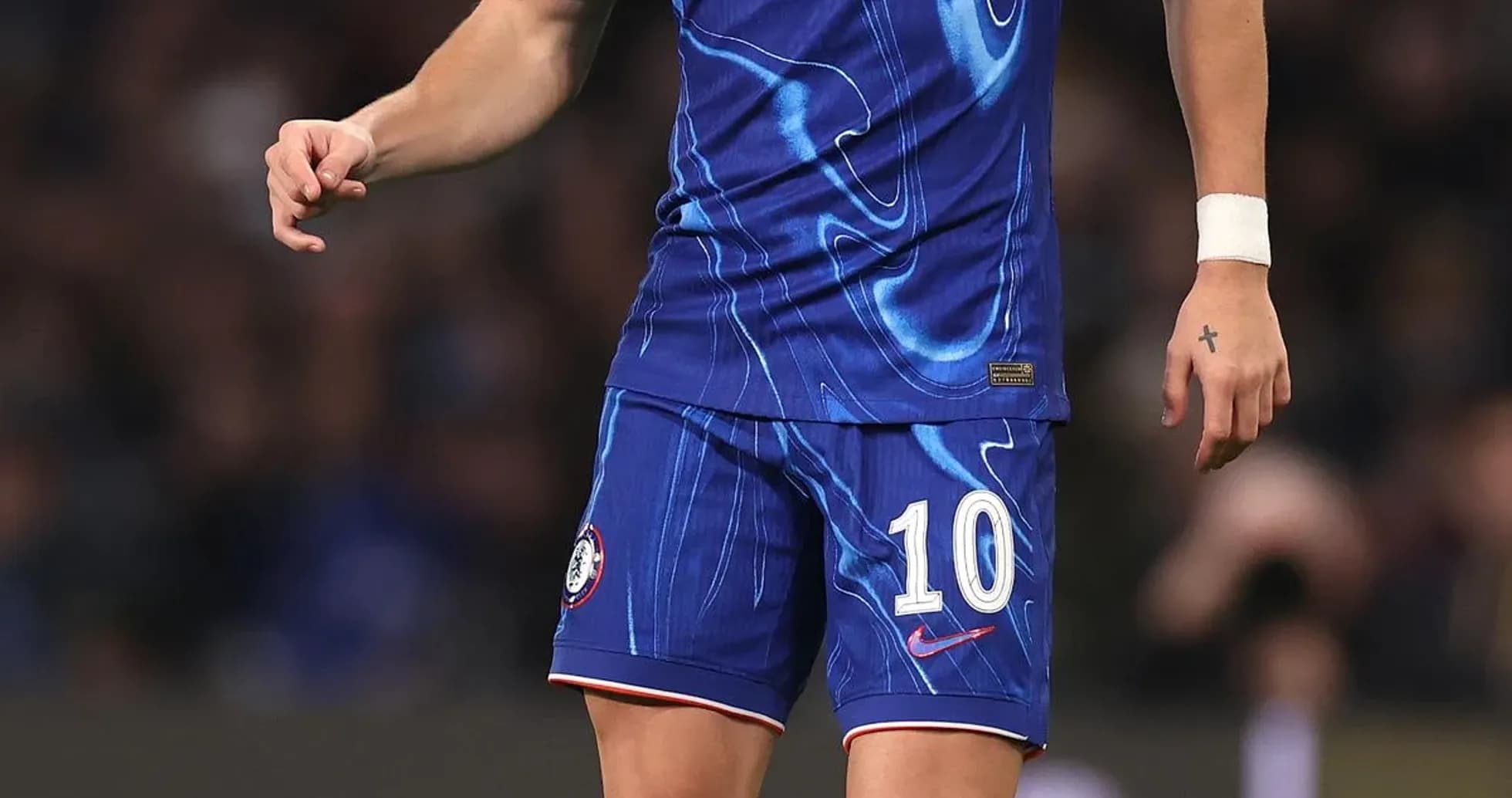
Mykhailo Mudryk Cleared to Play After Meldonium Ruling
Mykhailo Mudryk’s long, lonely wait is over. After 20 months in limbo, the Chelsea winger has been cleared to return to competitive football with immediate effect, his four-year doping ban effectively dismantled by a change in global regulations.
The Ukrainian has not played for Chelsea since November 2024, when he appeared in a 2-0 Conference League win over Heidenheim. A routine post-match test flagged the presence of meldonium, a controlled substance, and he was provisionally suspended. The case that followed stalled his career and dragged his name into a fight he insisted from the start he should never have been part of.
Mudryk maintained throughout that he had never knowingly or intentionally taken a banned substance. That stance has now been bolstered by science and statute rather than sentiment.
Rule change that flipped the case
The World Anti-Doping Agency has updated its technical document TD2027MRL, altering the reporting thresholds for meldonium. Under those new parameters, the concentration detected in Mudryk’s original sample would not have triggered any action at all.
The FA set out the crucial detail in a statement: if the same sample were collected today, it “would not have been reported and no ADRVs (Anti-Doping Rule Violations) would have resulted”. With that, the governing body confirmed Mudryk “is no longer ineligible and may return to competition with immediate effect”.
The rules are not retroactive in a legal sense, but the practical effect for Mudryk is clear. The case that once brought a four-year sanction has been overtaken by updated science and revised thresholds.
Chelsea’s stance and a bruising spell in exile
Chelsea, who stood by Mudryk through the process while publicly respecting the anti-doping framework, did not hide their relief at the outcome.
“This has been an extremely difficult period for Misha, both professionally and personally,” the club said, “and we are pleased that the matter has now reached a conclusion which allows him to return to football with immediate effect.
“We have always supported Misha throughout this process while fully respecting the integrity of the anti-doping system and the legal process. We know how much this opportunity to return means to him. Our focus now is on supporting Misha’s reintegration into the squad and helping him resume his career. Chelsea FC remains fully committed to the highest standards of sporting integrity and compliance with all anti-doping regulations.”
The 23-year-old did not simply sit and wait. Barred from playing, he built a private training world of his own. He hired goalkeepers and coaches, worked away from the spotlight, and turned non-league Uxbridge FC’s Honeycroft ground into a personal laboratory for shooting drills and conditioning work. Clips of those sessions, shared on his social media channels, became the only glimpse of a talent frozen out of the elite stage.
Mudryk missed Chelsea’s run to the Conference League title and their Club World Cup triumph, reduced to a spectator in Wroclaw as the Blues beat Real Betis to lift UEFA’s third-tier trophy. He was there for the celebrations with Enzo Fernandez and the rest of the squad, but not on the team sheet where he expected to be when he joined the club.
Legal fight and personal toll
The winger did not accept his fate quietly. In April 2026 he lodged an appeal against the four-year suspension at the Court of Arbitration for Sport, represented by Morgan Sports Law, the firm known for its work with Paul Pogba and Chris Froome in high-profile anti-doping cases.
The legal battle ran parallel to his private training regime and the psychological strain of a stalled career. When the decision finally swung his way via the regulatory changes, Mudryk chose his own platform to speak.
“After a long battle, the four-year ban that was imposed on me has been rescinded and I am free to resume my career with immediate effect,” he wrote on Instagram. He said he was “grateful that this process has reached a conclusion” and that he had been “cleared to return to football” and could “now look ahead” to his future.
He called it “the most difficult period” of his career and repeated his consistent position: he has “never knowingly or intentionally taken any banned substance”. He underlined his commitment to competing fairly and representing club and country with “professionalism and integrity”, and vowed to focus now on returning to football, working every day, and making a positive impact on the pitch. He also thanked his family, friends and legal team for standing by him.
Alonso’s next puzzle
Now comes the football question. Mudryk is set to rejoin Xabi Alonso’s squad, currently on a pre-season tour of Australia and south-east Asia, and the process of reintegration begins.
For nearly two years he has been away from the rhythm of elite competition: no dressing-room pulse, no tactical tweaks under pressure, no hostile away crowds. Only private sessions, personal motivation and the distant noise of a Chelsea side winning trophies without him.
Alonso must decide how quickly to fold him back in, how much trust to place in a player whose body is honed but whose match sharpness will lag behind. The Ukrainian’s speed and directness once made him one of Europe’s most intriguing wide prospects. Now, after a 20-month hiatus shaped by a substance that new rules say should never have derailed him, the challenge is different.
Is this the moment Mudryk finally delivers the version of himself Chelsea thought they had signed, or the start of a second career spent chasing what might have been?