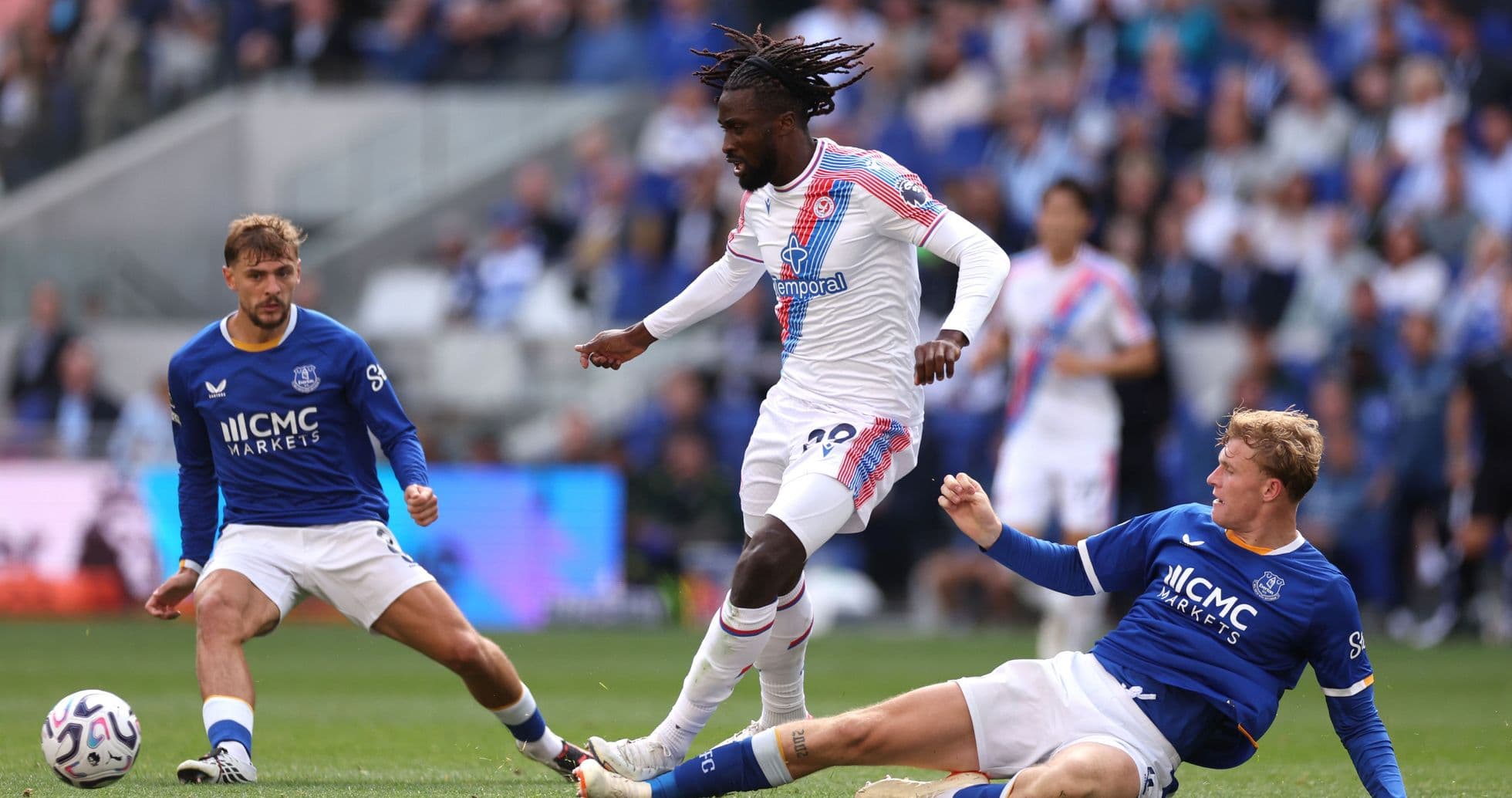
David Moyes Reflects on Disappointing Deadline Day
David Moyes knows deadline days are rarely kind. This one stung.
The Everton manager admitted he “wanted to do more business” after a chaotic final few hours of the transfer window left the club short of their intended haul and nursing the loss of a key attacker.
Balogun deal collapses late
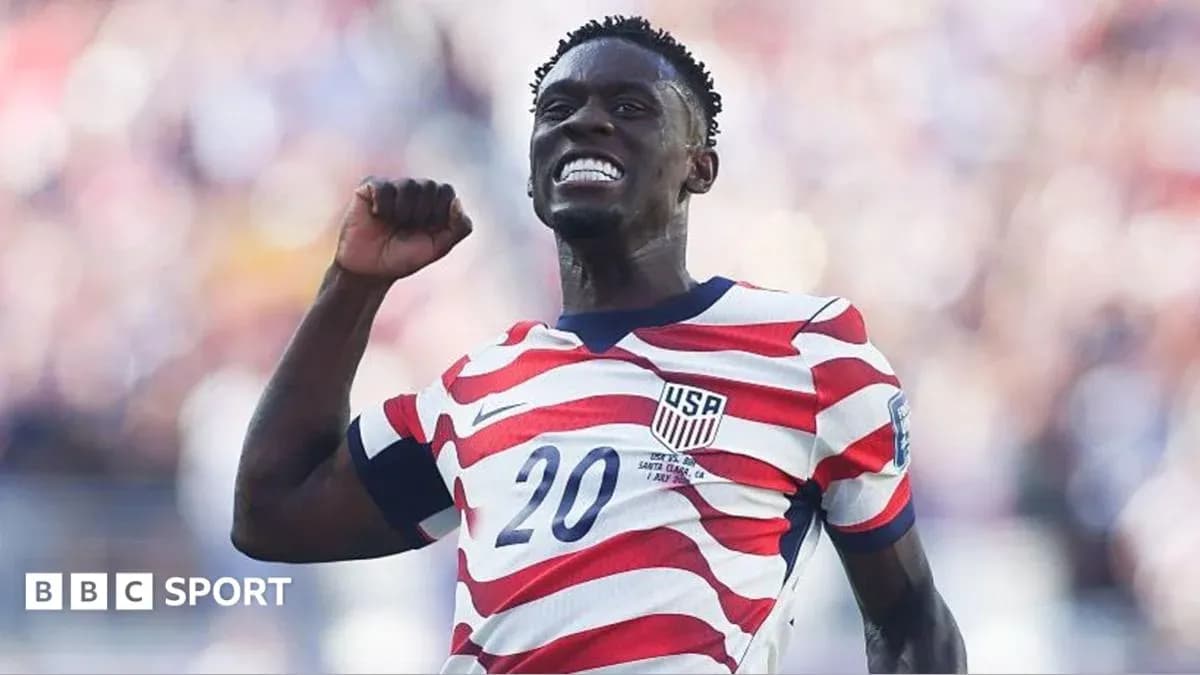
The headline drama centred on Folarin Balogun. Everton thought they had their man.
A £40m fee was agreed with Monaco, the United States striker completed a medical at Finch Farm, and both clubs even filed a deal sheet before the 23:00 BST deadline to buy extra time to wrap it all up.
Then it fell apart.
Issues flagged during the medical forced Everton and Monaco back to the table to renegotiate the original agreement. As the revised terms took shape, Balogun changed his mind. The 25-year-old walked away from the move, leaving Moyes and his recruitment team empty-handed.
“It wasn't anyone's fault and ultimately it happens in football as the player had a problem in his medical and that was simply it,” Moyes said. “There are no other stories behind it. That is exactly what happened.”
The late pursuit of Balogun had only emerged after Beto, the Guinea-Bissau striker, sealed a permanent move from Everton to Fiorentina in Serie A, opening a hole in Moyes’ forward options that the club scrambled to fill.
Missed forwards, mixed emotions
Balogun was not the only attacking target who slipped away.
Everton explored deals for Manchester United forward Joshua Zirkzee and Aston Villa striker Tammy Abraham, but could not persuade either to commit to Goodison Park. Both discussions fizzled out without agreement.
There was at least one major arrival in the final stretch. Jack Grealish joined on a season-long loan from Manchester City, a high-profile addition designed to inject creativity and experience into Moyes’ front line.
Yet the excitement of Grealish’s arrival came with a heavy price.
Ndiaye sale funds the rebuild
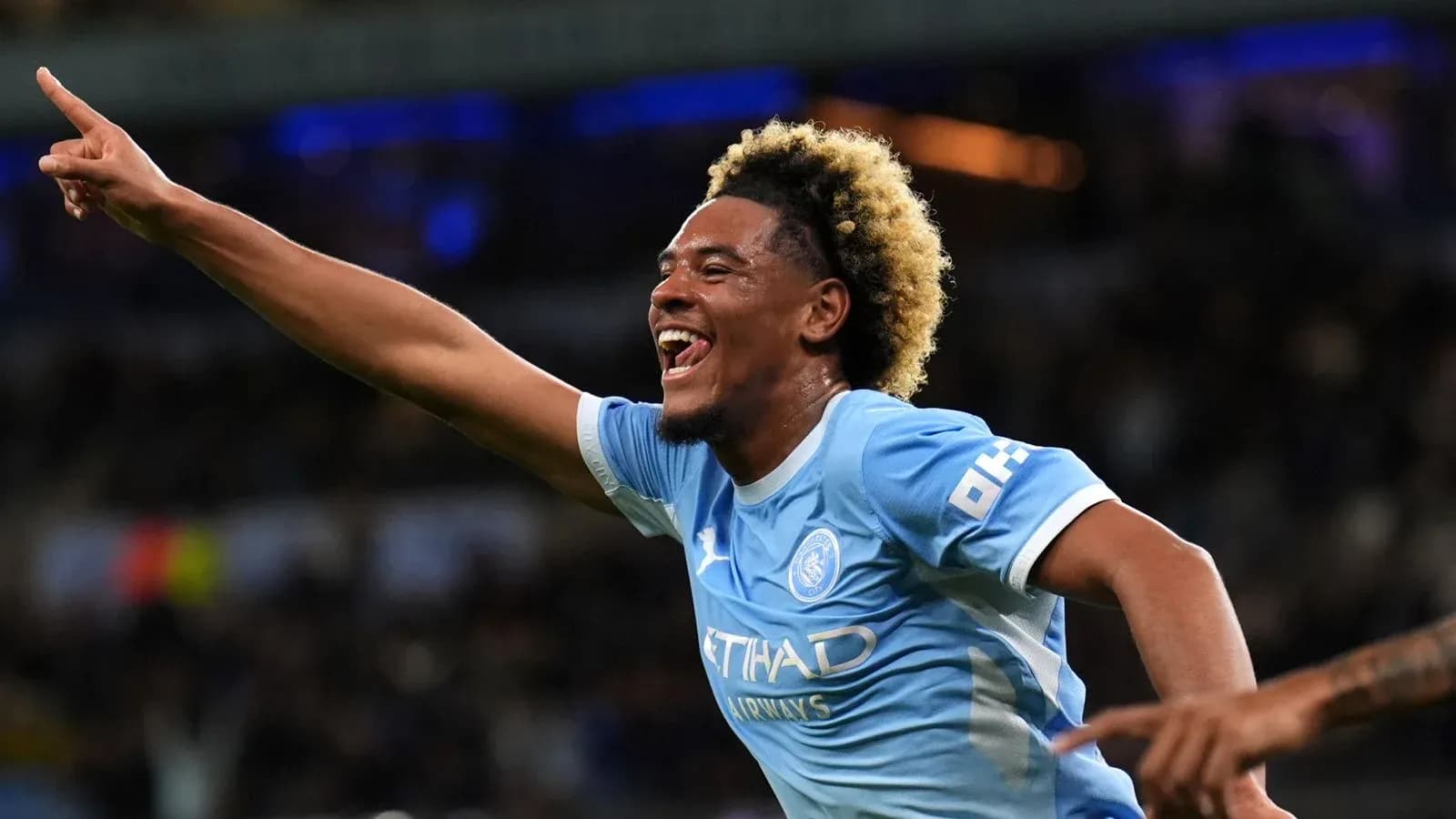
Everton lost Iliman Ndiaye to Manchester City in a £65m deal, a sale Moyes openly admitted he did not want to make.
Ndiaye had become a central figure at Goodison, scoring 15 goals and providing four assists in 67 Premier League appearances. His departure was driven by the financial realities of building a squad in the current market.
“We were looking to get some money in,” Moyes said. “We lost Iliman Ndiaye, which is someone who we definitely didn't want to lose, but sometimes it is difficult when the likes of Man City come along.”
The Ndiaye fee underpinned Everton’s attempts to reshape the squad, but the club still found the market unforgiving.
They failed in a move for defender Kenny Tete after Fulham refused to sanction his exit without a suitable replacement lined up. That door shut before Everton could force it open.
Right-back Ainsley Maitland-Niles did arrive from Lyon for £3m, adding depth and versatility, yet it felt like a modest win on a night of bigger frustrations.
Moyes left to “live with disappointments”
By the time the window closed, the ledger showed Grealish and Maitland-Niles in, Ndiaye and Beto out, and Balogun, Zirkzee and Abraham all still elsewhere.
“I am disappointed that we didn't do more business and things didn't go our way in the end,” Moyes admitted. “Sometimes in football you have to live with disappointments and move on, and we will.”
He did not hide from the sense of missed opportunity.
“Some things went against us and some things we could have done better,” he said. “Ultimately we didn't want to lose a lot of the different players but for reasons that had to happen.”
Now the talking stops. Moyes must turn a bruising deadline day into a functioning team, without the striker he thought was signed and without the attacker he never wanted to sell.