
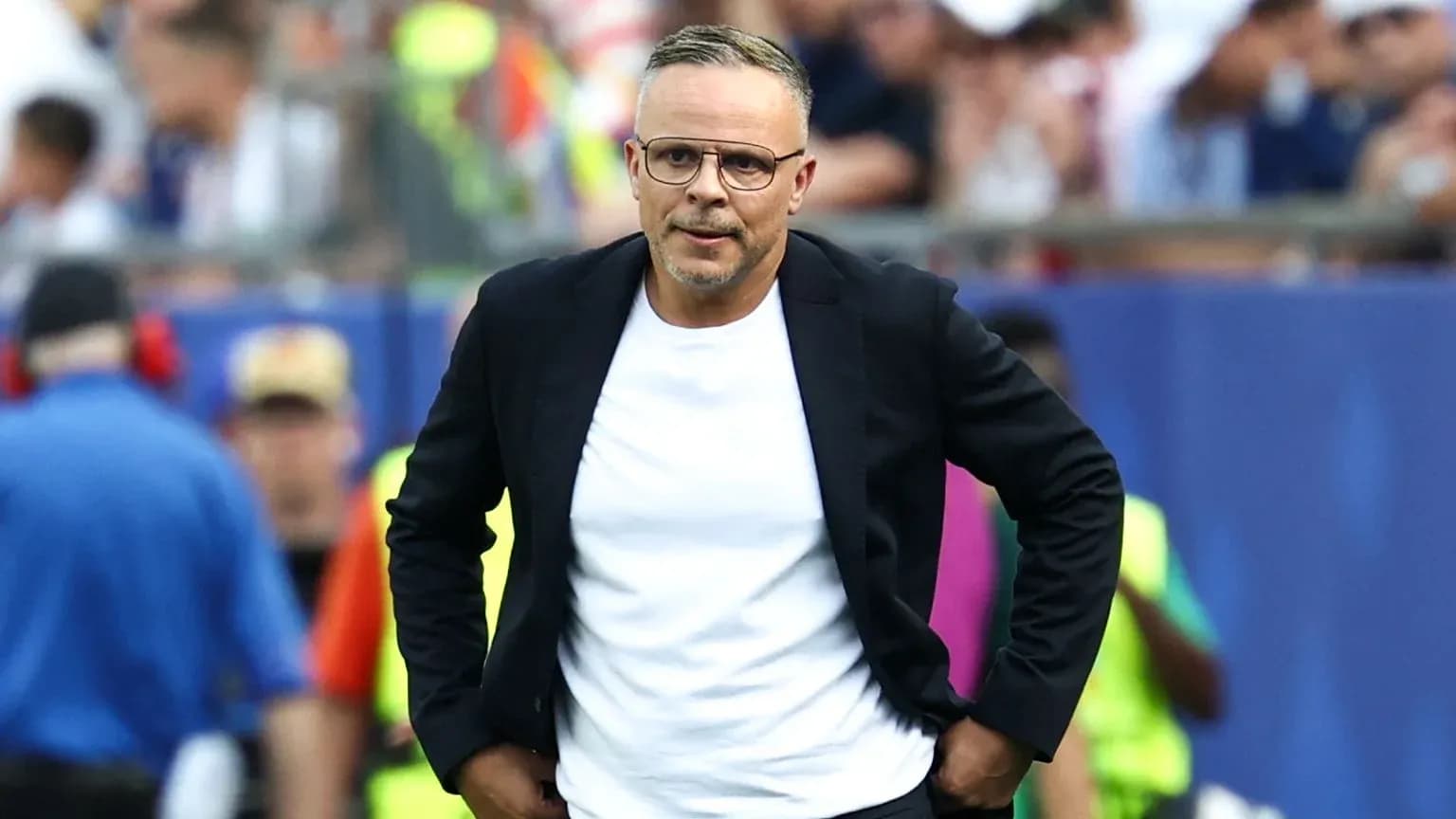
Morocco's Coach Walid Ouahbi on Controversial Goal and Team's Future
Walid Ouahbi walked off the pitch with a familiar mix of pride and frustration – and one decision still gnawing at him.
The Morocco coach was adamant that France’s opening goal should never have stood, pointing the finger at referee Facundo Tello for allowing play to continue after what he believed was a clear handball by Adrien Rabiot in the build-up. The loose ball broke, Kylian Mbappé pounced, and the net bulged. Morocco were behind.
For Ouahbi, the controversy lay in that split second when players hesitated.
“The goal came from a bit of a… shared ball, some people stopped because they saw a handball,” he told beIN Sports. “It was a handball, I don’t know if it should have been called or not, I don’t know.”
His players had reacted to what they thought they had seen. The whistle never came. France seized the moment.
Yet once the anger over the opener had been aired, Ouahbi’s tone shifted. He refused to hide behind the decision, instead tipping his hat to the calibre of the opposition and the demands of this level.
“We have to admit that we played against a very good team,” the 49-year-old said. “We suffered a lot in the first half, and Bounou made a great save on the penalty.”
Morocco bent in that opening period. They did not break. Yassine Bounou’s stop from the spot kept them alive, a reminder of why he remains one of the most trusted goalkeepers on the international stage.
After the interval, the game changed. Morocco finally found a rhythm with the ball, the panic draining from their play as they began to string passes together and push France deeper.
“In the second half, we defended better and, above all, we were more composed with the ball. We were much better,” Ouahbi noted. “In the first half, it seemed like some players were catching their breath. We saw that these same players started the second half well.”
Where the first 45 minutes had been about survival, the second was about belief. Lines moved higher, challenges bit harder, and Morocco’s midfield at last began to breathe. The equaliser never came, but the performance grew in authority.
The closing stages were brutal. Legs faded, spaces opened, and every French counter felt like a threat. Morocco pushed anyway.
“It was tough at the end,” Ouahbi admitted, the disappointment clear, “but I believe we must continue to believe, to work.”
That, for him, is the real battle now. Not the argument over a handball, but the work still to be done behind it.
“We must also continue to work on the basics, ensuring that when there are injuries, players who are less fresh, we can have a larger pool of players. We will continue, we will not stop here. We are very disappointed, we wanted more, but we have to accept it.”
The message was blunt. The squad needs depth. The foundations need reinforcing. The standards, after nights like this, cannot drop.
Morocco leave this contest feeling wronged by a key decision and stung by what might have been. Ouahbi, though, has already set the next challenge: turn that sense of injustice into fuel, and build a team that no single call can derail.




