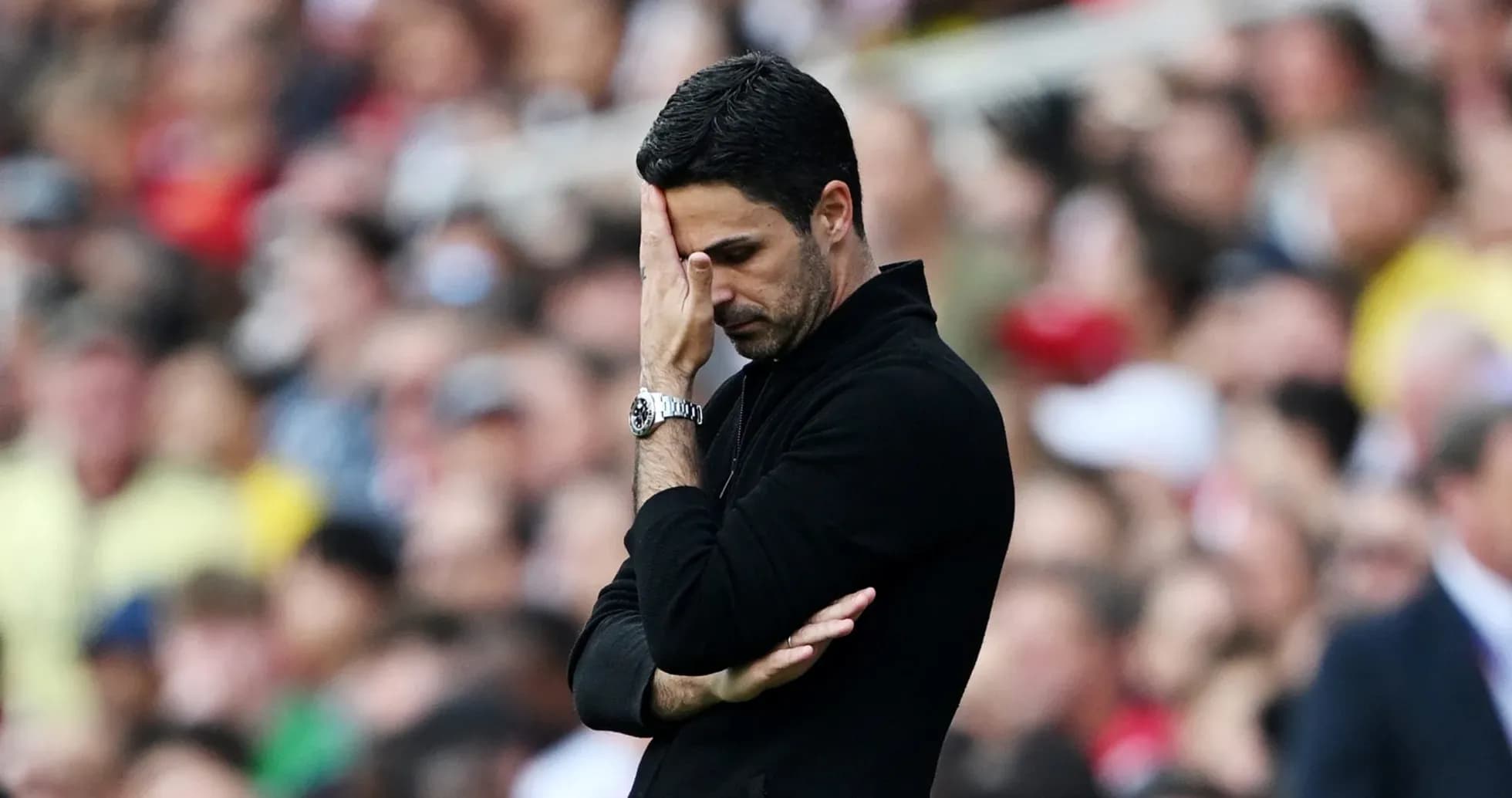
Mikel Arteta Faces Squad Depth Dilemma at Arsenal
Mikel Arteta walked away from Arsenal’s opener against Coventry City with everything a manager could want: a 3-0 win, barely a bead of sweat spilled, and a performance that never needed more than second gear.
Coventry, under Frank Lampard, were brushed aside. Comfortably. Ruthlessly. By the end, the gulf looked enormous.
What made it more ominous for the rest of the league was who wasn’t there.
Bruno Guimaraes, William Saliba and Jurrien Timber all missed out through injury. Three heavyweight names, three automatic starters in most sides in Europe. Nobody inside the Arsenal camp seemed remotely worried. They didn’t need them.
That, in a sentence, is Arsenal’s new reality. And it is exactly what Gary Neville believes has now become Arteta’s biggest headache.
A squad bursting at the seams
Arsenal have built one of the deepest squads in Europe. Two high-level options in almost every position. Quality layered on quality.
It’s the kind of depth title winners need. When injuries bite, when the games pile up, when form dips, Arteta can turn around and see another international-standard player waiting for a chance.
But depth cuts both ways.
The Premier League only allows eight outfield players on the bench. That means, every weekend, good players – expensive players, ambitious players – don’t even get a seat. They’re not just out of the XI; they’re out of the matchday.
Neville, speaking on Sky Sports, framed it in the way only someone who lived through Manchester United’s glory years under Sir Alex Ferguson can.
“He has created a real problem for himself,” Neville said. “Sir Alex Ferguson used to say, the hardest thing was leaving those players out every week.
“He’s going to have to do the same. I said to him off camera, what a squad he has built here. If he puts another forward into that, (puffs his cheeks).”
That off-camera exchange tells its own story. Admiration mixed with a warning.
The Ferguson problem, reborn in North London
Ferguson used to talk about the emotional toll of telling top professionals they weren’t involved. Not just benched. Not involved at all.
Arteta is now staring at that same problem.
Against Coventry, he named a powerful squad and still had three major players missing through injury. When Guimaraes, Saliba, Timber and Ezri Konsa are fit and ready, they all expect to be part of the action. They don’t come to Arsenal to watch from the sofa.
To bring them back in, others – who played their part in a 3-0 win – will be pushed out of the squad entirely. Not because they’ve done anything wrong. Simply because the numbers don’t stretch.
That stings inside a dressing room. It tests egos, patience, and trust.
Arteta knows it. It’s why he has been pushing for the Premier League to increase matchday squad sizes. More room on the bench, more players involved, fewer awkward conversations in his office before kick-off.
So far, the league’s decision-makers have shown no sign of bending. The rules remain. Eight outfield players. No more.
A good problem – until it isn’t
Neville is right to highlight the risk. This is the kind of “good problem” managers talk about through gritted teeth.
On the surface, it’s ideal. Everywhere you look in this Arsenal squad, there’s competition. Training sessions will be sharp. Standards will stay high. No one can cruise.
But when the season drags into the winter grind, when players who feel they’ve done everything right in training still find themselves watching from home, that competition can turn into frustration.
Arteta’s man-management will be under as much scrutiny as his tactics.
There is one clean way out of the logjam: sales. Trim the numbers before the window shuts, sacrifice some depth to restore balance. That would ease the pressure on the squad list – and on the manager.
For now, though, Arsenal look like champions in waiting, stacked in every area, swatting aside teams like Coventry even without some of their biggest names.
The question is no longer whether Arteta has the players to win. It’s whether he can keep enough of them happy while he does it.