Marc Skinner Leaves Manchester United Women Ahead of New WSL Season
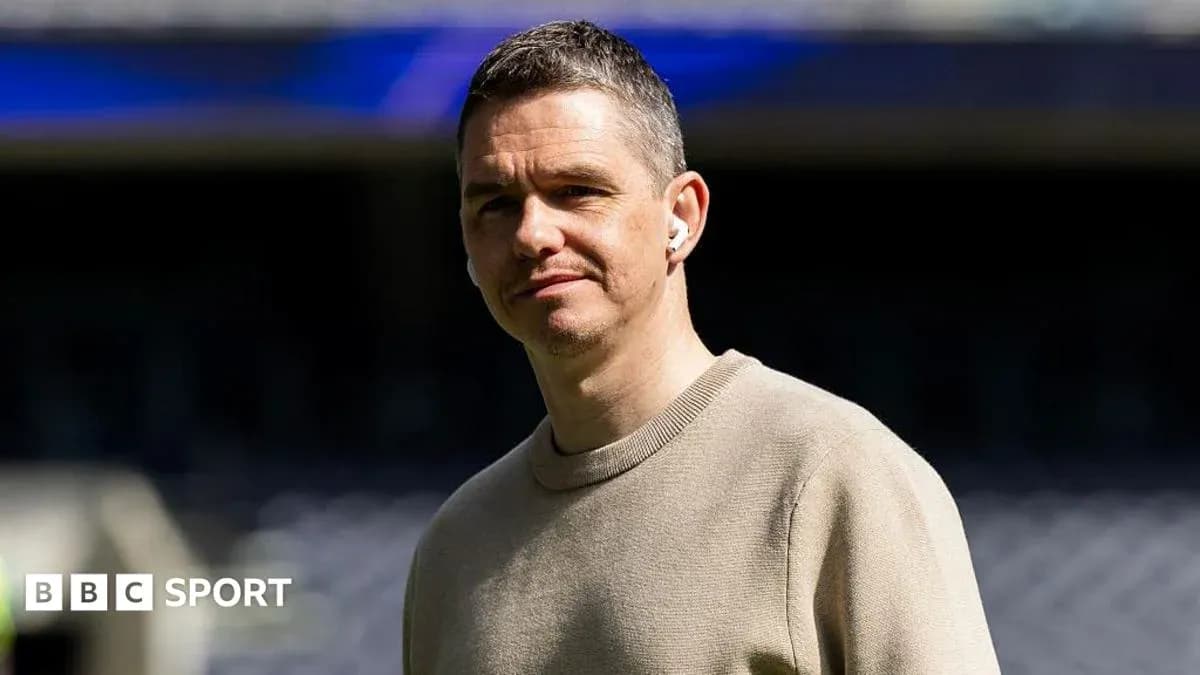
Manchester United’s women’s project has been jolted on the eve of the new campaign, with manager Marc Skinner leaving his role by mutual consent just a month before the Women’s Super League kicks off.
The 43-year-old walks away after five years in charge, a spell that delivered both history and tension. He led United to their first major trophy with victory in the Women’s FA Cup final in 2024 and took the club into the Women’s Champions League group stages for the first time last season. Under his watch they also finished runners-up in three domestic cup finals, a sign of how close they came to establishing themselves among the game’s serial winners.
Yet the timing of his exit underlines the strain behind the scenes.
Trophies, progress – and growing friction
Skinner arrived from Birmingham City with a reputation for structure and player development, and for long stretches he delivered exactly that. United evolved from ambitious newcomers into regular contenders, pushing established powers such as Manchester City, Arsenal and Chelsea.
The FA Cup win at Wembley was meant to be a launchpad. Instead, it now looks like the closing chapter of his tenure.
Across the past year, Skinner raised concerns over what he viewed as a lack of investment in the squad. United have had a notably quiet summer window while rivals strengthened aggressively. Manchester City, Arsenal and Chelsea have all moved to deepen and refresh their squads, sharpening the competition at the top of the WSL.
The contrast has not gone unnoticed in the stands. Supporters, buoyed by the club’s recent breakthrough, have grown increasingly frustrated at the lack of transfer activity, particularly as the rest of the league moves quickly to capitalise on the sport’s surging momentum.
A new strategy, and a sudden vacancy
Inside the club, the message has been different. United have shifted their recruitment model, targeting younger players with an eye on sustainable, long-term success rather than headline signings. It is a deliberate pivot rather than a pause.
The girls’ academy will train at Carrington this season, using the club’s main training facility – a symbolic and practical step towards integrating the women’s pathway into the heart of the organisation. It hints at a long-term vision built on development, not short-term splurges.
That same vision now shapes the search for Skinner’s replacement.
Talks between the club and Skinner took place over the summer, and those discussions ended with a mutual agreement that he would step aside. Behind the scenes, United have already moved on: sources indicate they are at an advanced stage in their hunt for a new head coach, with background checks on candidates completed and a clear profile in mind.
One requirement stands out. The next manager must have a proven record of developing players. In other words, someone who can turn that youth-focused strategy into a competitive edge, rather than a convenient excuse.
A season starting with questions
The clock is ticking. United open their season away to London City Lionesses on 4 September at 19:00 BST, a fixture that already carried intrigue after the Lionesses’ bold summer business. The fifth-placed side from last season have landed two-time Ballon d’Or winner Alexia Putellas, a seismic signing for the league, while Lyon defender Alice Sombath has joined Tottenham, another sign of the WSL’s rapid arms race.
United, by contrast, enter the new campaign with a quiet window, a new recruitment philosophy and, for the moment, no manager.
The foundations Skinner helped lay are undeniable: a first major trophy, a first taste of Champions League group football, and a squad that has grown used to competing deep into cup competitions. The question now is whether the club’s next move turns that platform into a sustained era – or leaves this summer as the moment their rivals finally pulled out of reach.