Manchester United vs Ipswich: Early Season Clash at Old Trafford
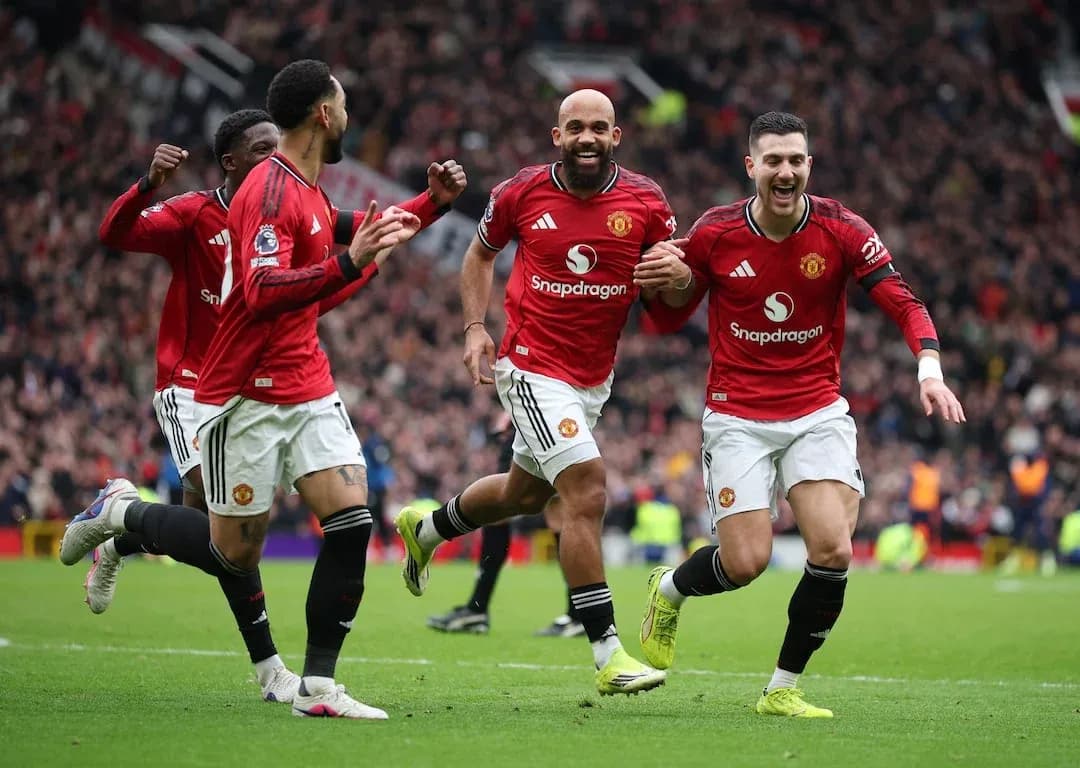
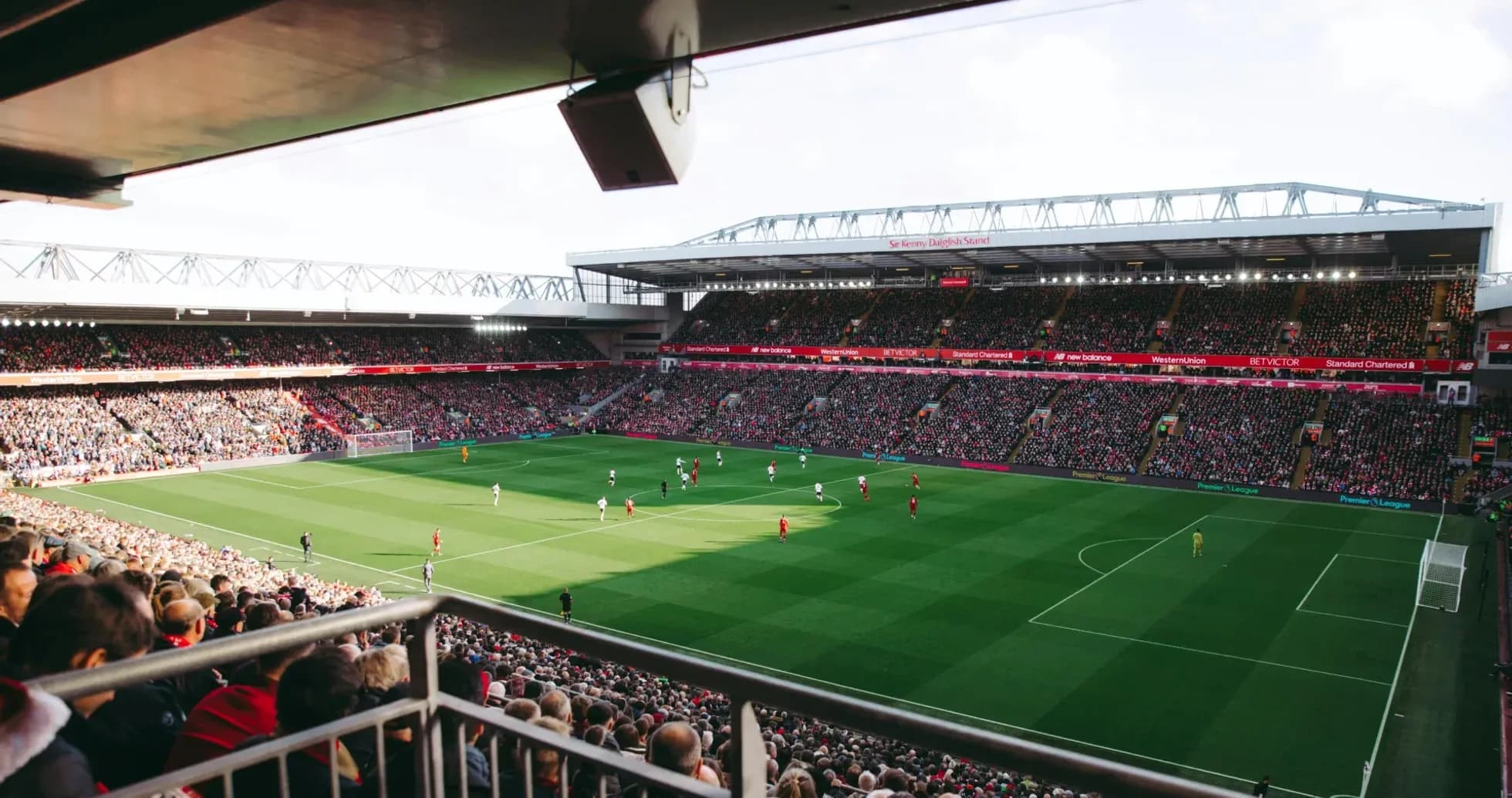
Old Trafford under late-summer skies, Manchester on 30 August 2026: a stadium built on comebacks and titles now hosts a very different kind of tension. Manchester United, already under pressure after an opening defeat, welcome an Ipswich side riding the high of a winning return to the Premier League. For United, this feels like an early-season test of character; for Ipswich, it is a chance to prove that their bright start and last season’s memories of troubling this opponent were no fluke.
Season Context
Manchester United arrive in this second round of the Premier League with the table making uncomfortable reading. One match played, zero points, zero goals scored and two conceded (0 goals for, 2 against in 1 game) leaves them 16th. It is far too early for panic, but another setback at Old Trafford would deepen the questions around a squad that is expected to compete at the top rather than glance nervously at the bottom half.
Ipswich, by contrast, have started the campaign with exactly the bounce they needed. One match, one win, two goals scored and one conceded (2 goals for, 1 against from 1 game) has them sitting 8th with 3 points. For a side stepping into the glare of Old Trafford, the early numbers offer reassurance: they have already shown they can score and edge tight contests, and a positive result here would underline that they belong in this company.
Form & Momentum
Recent form tells a simple story for Manchester United: their standings record reads “L”. One match, one defeat, no goals scored and two conceded (0 per game scored, 2 per game conceded) hints at a team still searching for rhythm and penetration. Failing to score in their only outing so far adds to the sense of a blunt attack, while the two goals conceded underline that defensive solidity is also a work in progress.
Ipswich’s early momentum is the mirror image. Their form line is “W”, and behind that single letter lies a performance that delivered 2 goals in their only game so far (2 per match) while conceding just 1 (1 per match). That blend of cutting edge and relative defensive control offers confidence heading into one of the toughest away days on the calendar, especially for a side that many expected to be on the back foot from the start of the year.
Head-to-Head Patterns
The recent history between these clubs adds an intriguing layer to the narrative. On 26 February 2025, Manchester United edged a thriller at Old Trafford, winning 3-2 in the Premier League (score 3-2, Premier League, season 2024, February 2025). That night showcased United’s attacking power but also Ipswich’s ability to punch back and score twice away from home.
Just a few months earlier, on 24 November 2024, the sides shared the points at Portman Road in the Premier League (score 1-1, Premier League, season 2024, November 2024). Ipswich, at home, matched United stride for stride, reinforcing the idea that the gap between the clubs on the pitch has narrowed, even if the budgets and expectations remain worlds apart.
Go back further and Old Trafford still carries memories of a more one-sided encounter: on 23 September 2015, Manchester United swept Ipswich aside 3-0 in the League Cup (score 3-0, League Cup, season 2015, September 2015). That night belonged to a very different United, but it lingers as a reminder that this stadium can still be unforgiving when the home side finds its stride.
Tactical Preview
Manchester United’s early-season blueprint points towards a 4-2-3-1 structure, used in their only league outing so far. With 1 match played, 0 wins and 1 loss, the system has yet to deliver, but its logic is clear: a double pivot to stabilise a defence that has already conceded 2 goals, and a trio of creative players behind a central striker to solve the current problem of zero goals scored. Figures like Bruno Fernandes and M. Mount are likely to shoulder responsibility between the lines, while wide forwards such as M. Rashford or B. Šeško will be tasked with stretching Ipswich’s back line and finally putting numbers on the board.
At the back, United’s defenders know that any lapse will be magnified by their current record of 2 goals conceded from 1 game. The presence of experienced names such as H. Maguire, Lisandro Martínez and L. Shaw should, in theory, offer stability, but the early data says they must sharpen quickly. Discipline is another subplot: P. Dorgu already features among the league’s carded players with one yellow and one red card in his single appearance, a reminder that rash decisions can leave United exposed.
Ipswich also lean on a 4-2-3-1, but theirs is currently wrapped in optimism. With 2 goals scored and just 1 conceded in their only league match, the shape has balanced aggression with control. The attacking line is quietly dangerous: Emersonn has already scored once with 3 shots and 2 on target, while J. Clarke added another goal from the bench, showing Ipswich can change games with substitutes. Behind them, creative midfielders like J. Enciso and S. Lukić, each with an assist so far, provide the passing angles and dribbling threat that can unpick a United side still searching for defensive certainty.
Out of possession, Ipswich’s early record of conceding just 1 goal from 1 game suggests a unit capable of holding shape at this level. The double pivot, likely involving players such as Florentino or A. Matusiwa alongside S. Lukić, will be crucial in screening the back four and disrupting United’s attempts to find their No.10 between the lines. If they can compress space in central areas and force United wide, Ipswich’s full-backs like L. Davis and D. Furlong will be tested but also offered chances to spring counters.
Statistical Snapshot
- Competition: Premier League, season 2026 — 30 August 2026.
- Venue: Old Trafford, Manchester.
- Prediction: Ipswich — Winner : Ipswich.
- Win Probabilities: Home 10% / Draw 45% / Away 45%.
- Model: Manchester United 63.7 — Ipswich 36.7.
Betting Verdict
The prediction models lean towards Ipswich, even if the bookmakers see a very different picture. United are priced between roughly 1.36 and 1.46 for the home win, implying an approximate probability range of around 69–74%, while Ipswich sit between roughly 6.18 and 7.60, translating to something like 13–16% implied. That clash between model and market is rooted in contrasting data: Ipswich arrive with a win, 2 goals scored and just 1 conceded, plus recent memories of a 3-2 defeat and 1-1 draw that show they can compete with United; the hosts, by contrast, have started with a 0-2 loss and no goals scored.
Given Ipswich’s lively attack, their recent ability to score at Old Trafford, and United’s current fragility at both ends (0 goals for, 2 against from 1 game), backing Ipswich on the double chance or with a positive handicap looks a logical way to align with the analytical prediction while respecting United’s strong historical home profile. For those following the model strictly, “Winner : Ipswich” at long odds offers clear value, but a cautious approach that keeps the draw onside may better reflect the tight, nervy contest this fixture so often produces.