
Liverpool Players' World Cup Performances: Insights and Highlights
After 104 games, a swirl of VAR rows and a final that often felt like a grind more than a spectacle, the World Cup has finally shut its doors. Spain walked away with the trophy, Argentina walked away with bruised reputations, and Liverpool’s travelling party of eight returned with one new world champion and plenty of storylines for Andoni Iraola to sift through.
The Reds were never going to dominate the tournament. They rarely do. But they were stitched into its fabric – from New York’s showpiece to the quieter exits in the knockouts – in ways that will matter when the Premier League restarts.
Victor Munoz – N/A
Spain were still trying to work out how they’d drawn a blank against Cape Verde when news broke that Liverpool had triggered Victor Munoz’s £34.5m release clause at Osasuna. The timing was perfect for the club’s PR department, less so for anyone eager to see what they’d actually bought.
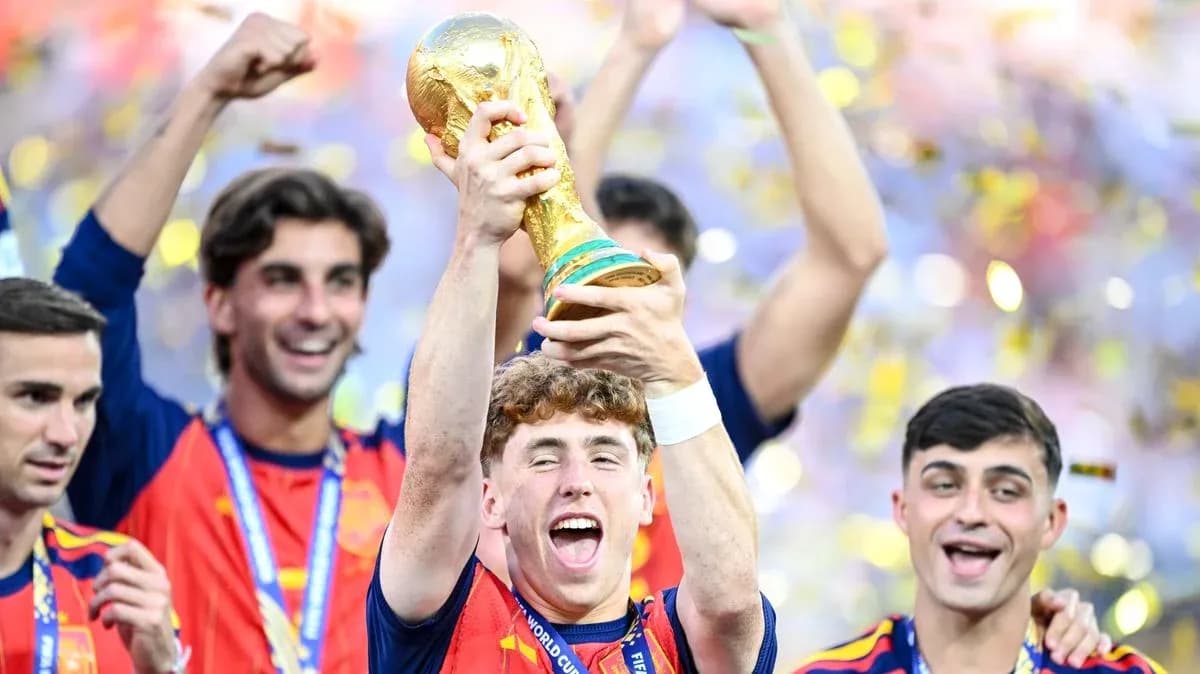
Munoz’s World Cup never really started. An injury ruled him out of the early games, and once he was fit, Spain’s run gathered such momentum that the winger never saw a single minute on the pitch as they marched all the way to the trophy.
No highlights reel, no dramatic cameos. Yet he still comes home as only the sixth serving Liverpool player to win a World Cup, following Roger Hunt, Ian Callaghan, Gerry Byrne, Fernando Torres and Pepe Reina. A medal in his pocket, no miles in his legs. Iraola won’t complain about that.
Alexis Mac Allister – 7
Alexis Mac Allister’s tournament ended in frustration. Argentina’s final against Spain descended into a tangle of fouls, protests and attacking ideas that never quite took shape, and the Liverpool midfielder was among those who fell short on the day.
But that shouldn’t drown out what came before.
Mac Allister played every minute bar the dead rubber against Jordan, with Argentina already through as group winners. From a more advanced role, he knitted attacks together, created a goal against Cape Verde and struck the opener in the quarter-final win over Switzerland. When Argentina teetered on the brink against England, he helped drag them back into the fight.
Across eight games he picked up only one booking, a remarkable feat for a 27-year-old who usually lives on the edge of midfield combat. He returns to Merseyside as one of Argentina’s most reliable performers, even if the final will sting for a while yet.
Alisson Becker – 7
Alisson Becker arrived at the World Cup with his body finally cooperating again. Brazil arrived without the aura that once terrified opponents. Only one of those problems was solved.
Back from injury, Alisson looked like himself: assured, calm, decisive. Brazil were a pale imitation of their great sides of the past, but their goalkeeper was not. He could do little about Erling Haaland’s two goals in the defeat to Norway that sent them home, and across the tournament he reminded everyone why he still belongs in any conversation about the world’s best in his position.
For Liverpool, the equation is simple. Keep him fit, and they keep their safety net.
Alexander Isak – 6
Some Liverpool fans will have watched Alexander Isak’s World Cup minutes with a raised eyebrow. Three full 90-minute outings in four games for Sweden, having not managed that once for his club all season, is the kind of detail that lingers in the memory.
He started with a flourish. Against a poor Tunisia side, Isak scored once and laid on two more, bullying a defence that couldn’t live with his movement. He added another assist in the heavy win over Holland, hinting at a player ready to explode on the biggest stage.
Then the returns began to shrink. As the opposition improved, his influence faded. The sharpness of that opening game never quite returned, and Sweden’s campaign drifted away with it. Encouraging signs for Liverpool in terms of fitness and flashes of quality, but not yet the dominant tournament some might have expected.
Cody Gakpo – 8
Cody Gakpo arrived at this World Cup carrying more questions than praise from his club season. He left it having reminded everyone what he looks like when the handbrake comes off.
Freed on the left flank for Holland, Gakpo played with a clarity and aggression that had too often been missing at Anfield. The standout came against Sweden, where he scored twice and set up another in a performance that bristled with purpose and confidence.
Then came the moment that cut through the noise. In the round of 32 defeat to Morocco, Gakpo scored shortly after the devastating news of the loss of his unborn son. It was a goal heavy with emotion, a show of character that transcended the result.
He returns to Liverpool revitalised, sharper, and with a compelling case to be used where he is most dangerous: attacking from the left, facing the game, not tethered by caution.
Virgil van Dijk – 7
Virgil van Dijk captained a Holland side that wanted to entertain and often did. The problem was they also entertained at the wrong end.
Van Dijk scored in the lively draw with Japan and supplied an assist against Tunisia, a reminder that his presence in the opposition box remains a weapon. Yet back home, familiar critics circled again. For reasons that seem to go beyond the pitch, sections of the Dutch debate have never fully embraced the Liverpool centre-back, and this tournament did little to quiet them.
Ronald Koeman built a team to attack, not to suffocate games. The defence, Van Dijk included, paid the price. Holland conceded in all four matches and never looked entirely secure. The Liverpool captain did not disgrace himself, but nor could he single-handedly patch over a system that left its back line exposed.
Ryan Gravenberch – 7
Ryan Gravenberch’s World Cup offered a glimpse of the versatility that has intrigued coaches since he was a teenager.
Used higher up the pitch than he typically is at Liverpool, he opened the tournament with two clever assists against Japan, sliding passes into spaces that only he seemed to see. His long stride and calm on the ball gave Holland an extra layer between midfield and attack.
Then the dial turned. For the defeat to Morocco he dropped into a more defensive role, asked to shield rather than surge. He was substituted before Holland conceded the late equaliser that dragged the game to penalties, his influence fading as the match became more chaotic.
There was enough here to suggest Iraola has a player who can be moulded. The question now is where he’s most dangerous.
Florian Wirtz – 6
The numbers paint Florian Wirtz in a kind light. Three assists in four games, operating mainly from the left, for a Germany side that never quite convinced.
Yet anyone who watched him closely will have felt the nagging sense that more was there. The touch was clean, the vision obvious, the link play neat. It just never fully caught fire. Germany’s campaign carried a flatness that even their brightest talents couldn’t lift.
Wirtz was already off the pitch by the time Germany’s controversial penalty shootout defeat to Paraguay unfolded, a bystander as their World Cup ended in familiar angst. For Liverpool, the takeaway is mixed: the talent is undeniable, the output decent, but the feeling lingers that a player of his quality should be grabbing tournaments by the throat, not drifting in and out of them.
Munoz brings back a medal. Mac Allister and Alisson bring back form. Gakpo brings back a different version of himself. The rest return with questions to answer and roles to define.
Iraola’s first pre-season with Liverpool will not just be about fitness drills in the United States. It will be about deciding which of these World Cup stories were one-off subplots – and which were the first chapters of something far bigger at Anfield.




