Liverpool Football Club Nears £1.35bn Investment Deal
Liverpool, one of football’s great civic institutions, is edging towards a new era of big-money backing – without surrendering control.
A consortium fronted by former Queens Park Rangers co-owner Amit Bhatia and supported by the family of steel magnate Lakshmi Mittal is in advanced talks to buy up to 30 per cent of the club in a deal worth around £1.35bn, according to the Daily Mail. That stake would pitch Liverpool’s valuation at just over £4bn, a figure that places the club firmly in the sport’s financial elite.
And there is an even bigger name hovering over the negotiations.
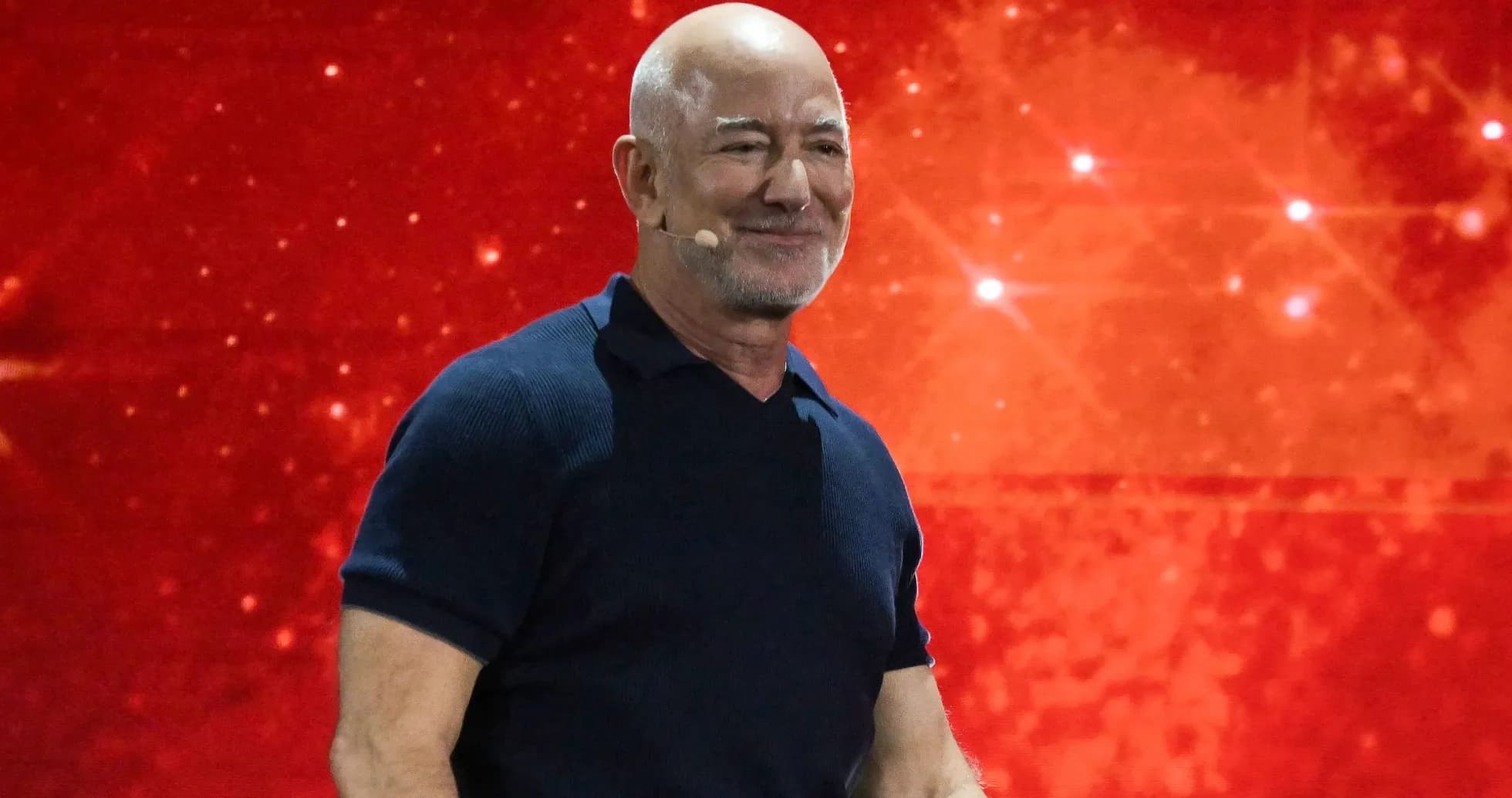
Jeff Bezos, the Amazon founder whose personal fortune is estimated at £192bn ($257bn), is understood to be interested in joining the group to strengthen the offer. Fenway Sports Group (FSG) has confirmed the approach, with a spokesperson stating: “An investment consortium led, managed, and represented by Amit Bhatia has expressed interest in making a strategic minority investment in Liverpool Football Club.”
In other words: serious money, serious intent – but minority, not takeover.
FSG’s “super smart” play
Football finance expert Kieran Maguire believes the proposed deal fits neatly with FSG’s long-term strategy. This is not an owner cashing out. It is an owner cashing in, while keeping a firm grip on the wheel.
“As far as the potential Liverpool investment is concerned, it looks like it's going to be up to 30 per cent or £1.3bn. That values the club at just over £4bn, which is broadly in line with expectations,” Maguire told the Daily Mail.
“From FSG's point of view, it's a super smart piece of business. Yes, they have sold part of the club before but this will ensure they still own a controlling stake of around 60 per cent.
“So in terms of the long-term strategy of the club and the individual transfer windows and recruitment issues, it is still FSG's decisions that are being made. If they are selling 30 per cent, that money goes to FSG not Liverpool, so there is no physical impact upon the club's coffers.”
The message is clear. Sporting control stays in Boston. Day-to-day football operations remain under FSG’s command. The new money replenishes the owners’ balance sheet, not the club’s transfer fund directly.
Yet the real intrigue lies in what the new backers could unlock.
Bezos, Mittal and the power of leverage
Bezos and the Mittal family do not simply bring wealth; they bring access. To capital. To markets. To platforms.
Maguire points to the potential for interest-free lending from such heavyweight partners, a financial safety net that could insulate Liverpool from future shocks.
“If the club is looking to borrow money at a future date for whatever circumstances and you are owned by Mittal's son-in-law and Bezos, they will be in a position to lend money on an interest-free basis which can only help in terms of cash flow,” he said.
In a football landscape where stadium redevelopments, training ground upgrades and squad overhauls routinely run into the hundreds of millions, that kind of backing changes the conversation. It doesn’t rewrite Financial Fair Play rules. It does ease the pressure of timing and cash flow.
Then there is the commercial side, where Bezos’ involvement would reverberate far beyond Anfield.
“Also, having a potential partner of the magnitude of Bezos does mean there is the opportunity for synergies. If Amazon Prime want to increase their global influence, then one way could be to do a partnership with Liverpool, whether in terms of content or sponsorship.
“Liverpool goes out to the world and Amazon goes out to the world as well. As well out of the world, maybe! He is flying people into space after all.”
The idea is obvious and powerful: Liverpool’s global fanbase and historic brand, fused with Amazon’s streaming power and retail reach. Exclusive content, tailored sponsorships, deeper penetration into emerging markets – the scope is vast.
For FSG, who have always sold Liverpool as a global sports and entertainment property rather than a local club alone, it is a natural next step.
For supporters, the key question lingers. Can this influx of elite capital enhance Liverpool’s competitiveness on and off the pitch, while preserving the identity and control they fought so hard to protect?